The Eastern Cottonwood (Populus deltoides) is an uncommon tree occupying well-drained, moist soils in the Piedmont and Mountains of North Carolina, but stretching north to Canada, west to Montana, and south past Monterrey, Mexico.
The Eastern Cottonwood is dioecious, with a single tree dangling catkins in green (female) or red (male), but not both, in mid-March. After the flowers have bloomed, the tree springs glossy, toothed, triangular leaves. The bark of the Cottonwood is gray and deeply furrowed, often branching near the ground with two to six main stems off trunks growing three to four feet in diameter.
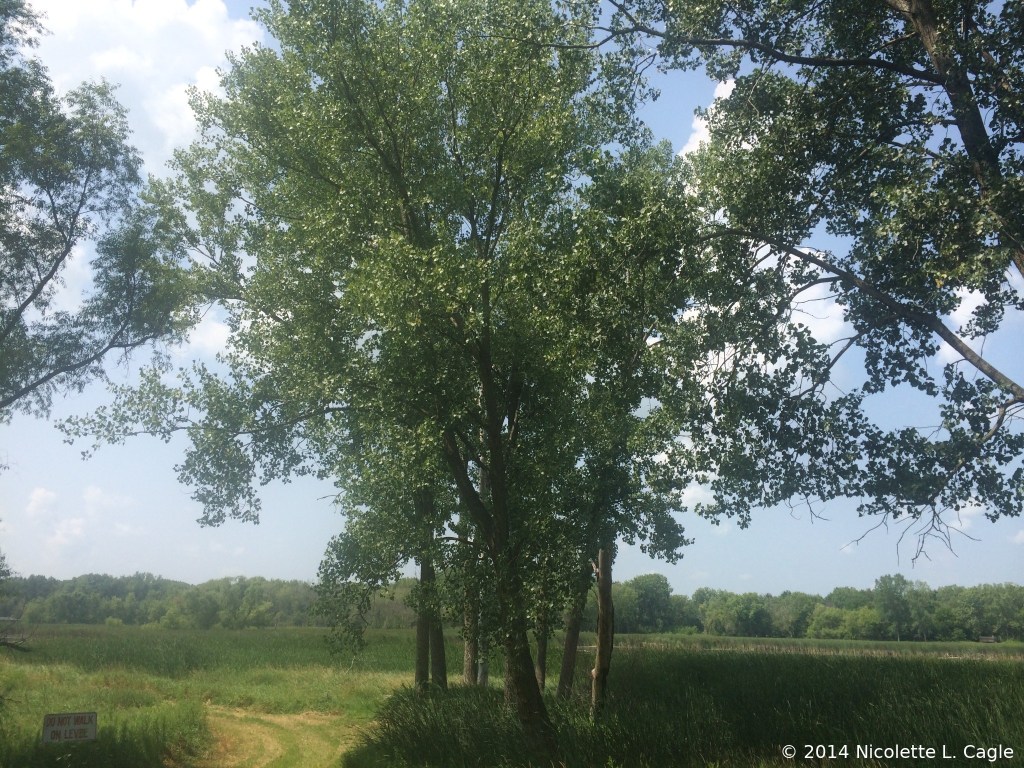
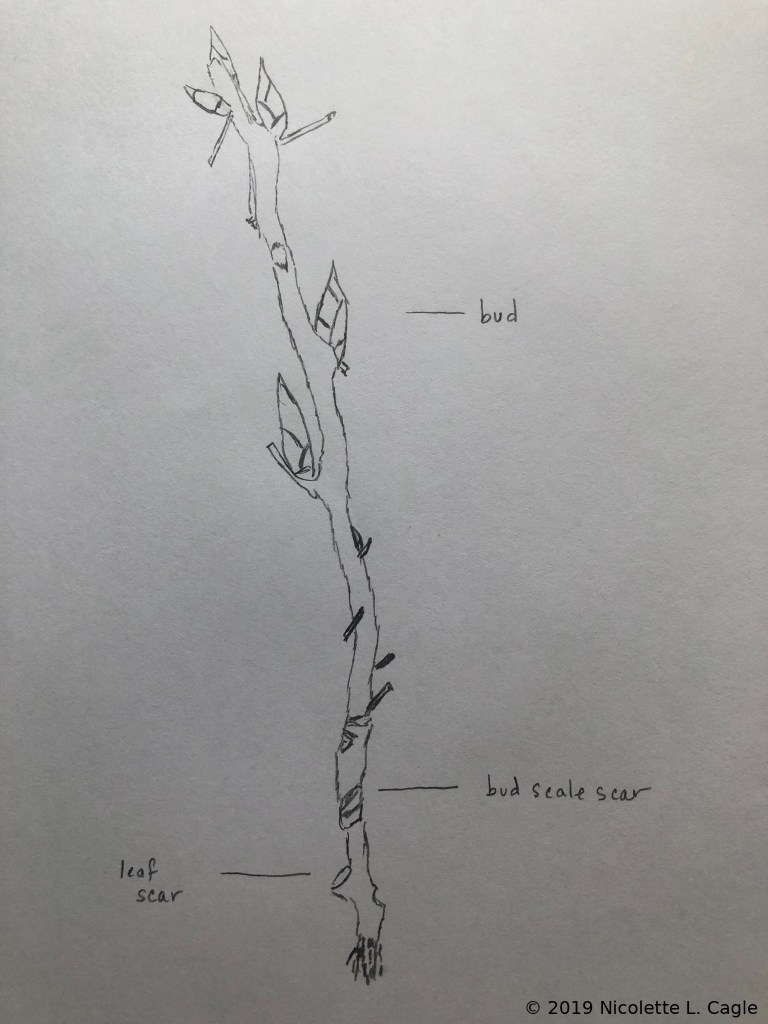
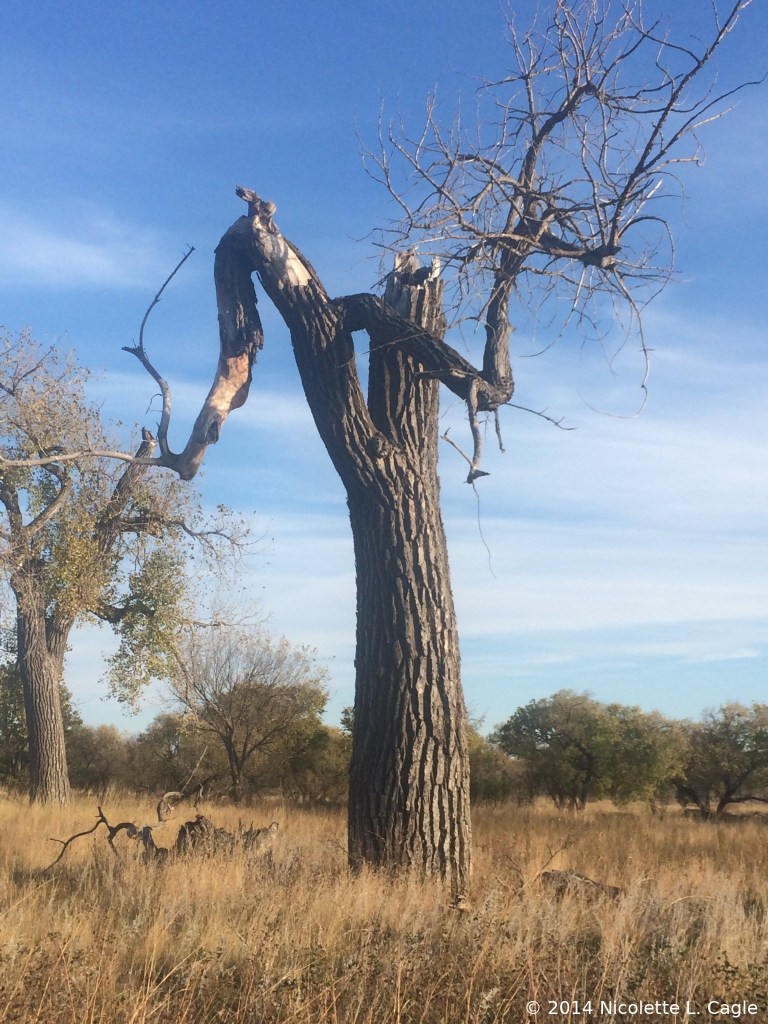
Cottonwoods typically reach 80 to 100 feet high, with wide canopies stretching 50 to 75 feet. They reach this height quickly, capable of sustaining growth of five feet per year. This quick growth, however, results in soft, brittle wood that is susceptible to storm and ice damage.
Historically, the roots of the Eastern Cottonwood were used by indigenous peoples to start fire, and the logs were used by early European colonists to make boxes, crates, and even build stockades. Yet, according to Donald Culross Peattie, “On the Atlantic seaboard the Cottonwood is just a tree among many trees, and few of the colonists, it would seem, held it in much honor.” In the harsher conditions of the Great Plains, the Cottonwood took on more significance, offering “sweet shade, and even on the hottest, driest day remind[ing] you, by the sound of their rustling leaves, of lake waters coolly lapping.”
Today, Eastern Cottonwoods still delight us with their cottony seeds carried by the wind. They provide browse for rabbits and deer, sap for sapsuckers, and food and dam poles for beaver. Eastern Cottonwoods also feed the larvae of the Marbled Underwing moth, whose distribution in North Carolina is closely associated with the Eastern Cottonwood. The moth flies in late September and early October, and its startles us with a flash of red and black on its hindwings, contrasting with its otherwise mottled brown appearance.
 Sense of Place