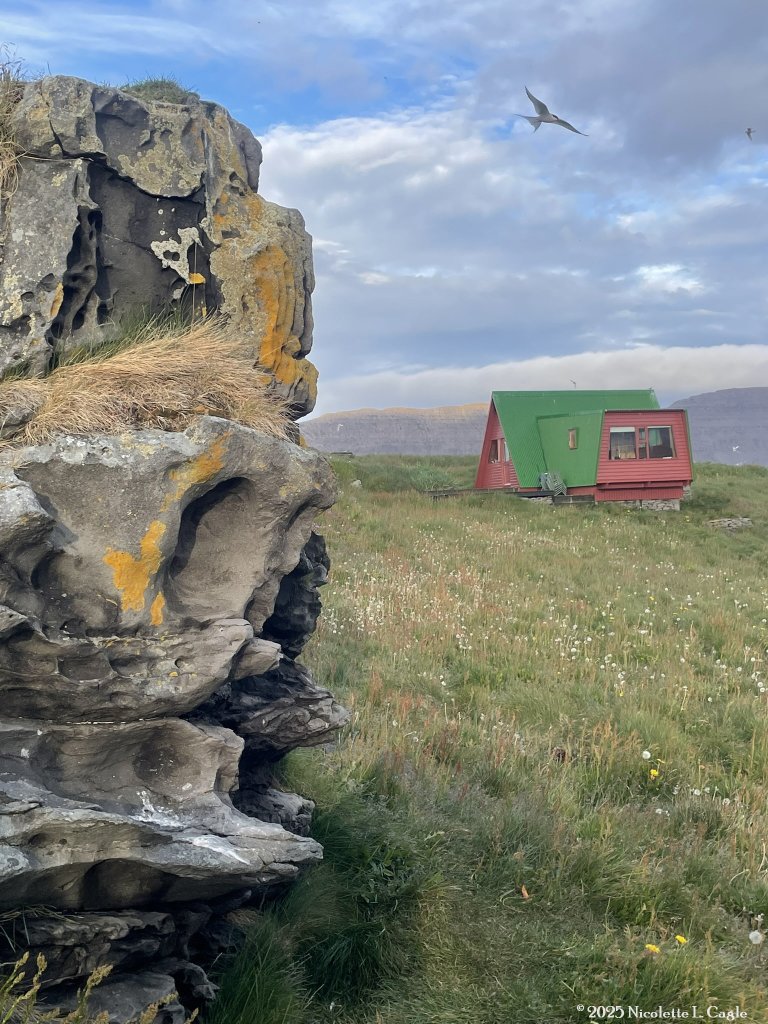
People have been living on Vigur Island for over 1,000 years. It’s been the site of a working farm since 1650. It’s the home of Iceland’s only historic windmill, built circa 1840/1860 and operational until 1912. The island’s house, called Viktoria’s House, was built in the mid-1800s as an engagement present from goldsmith, Sumarliði Sumarliðason, to his fiancée; its original corrugated iron roof still protects the house.
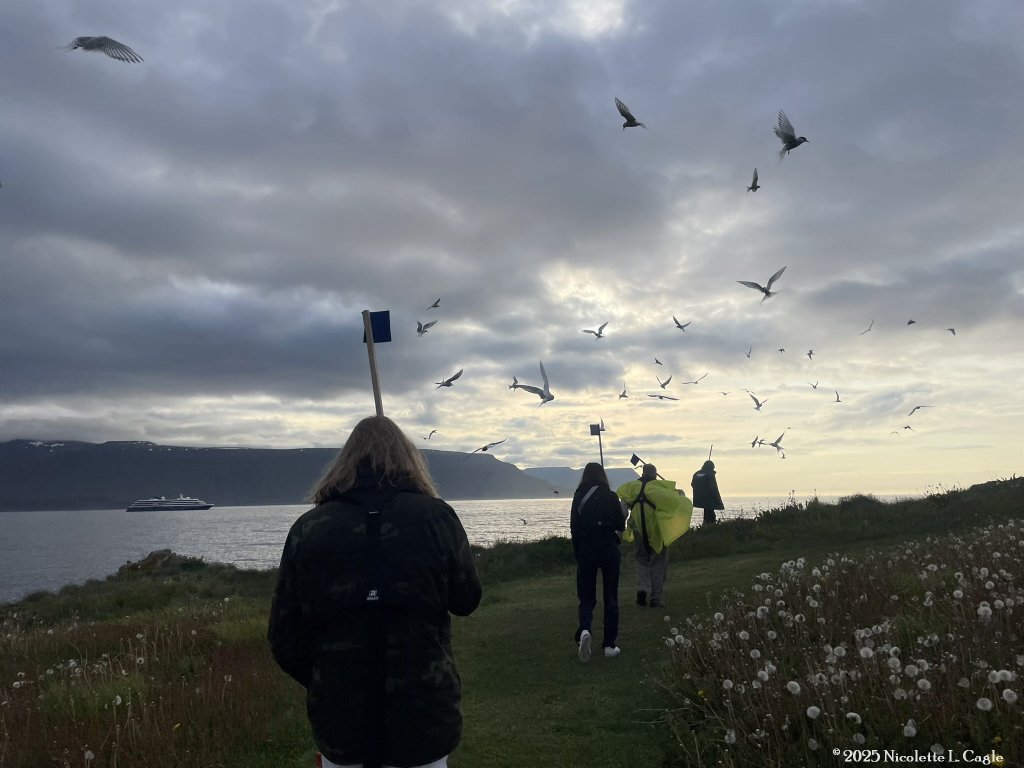
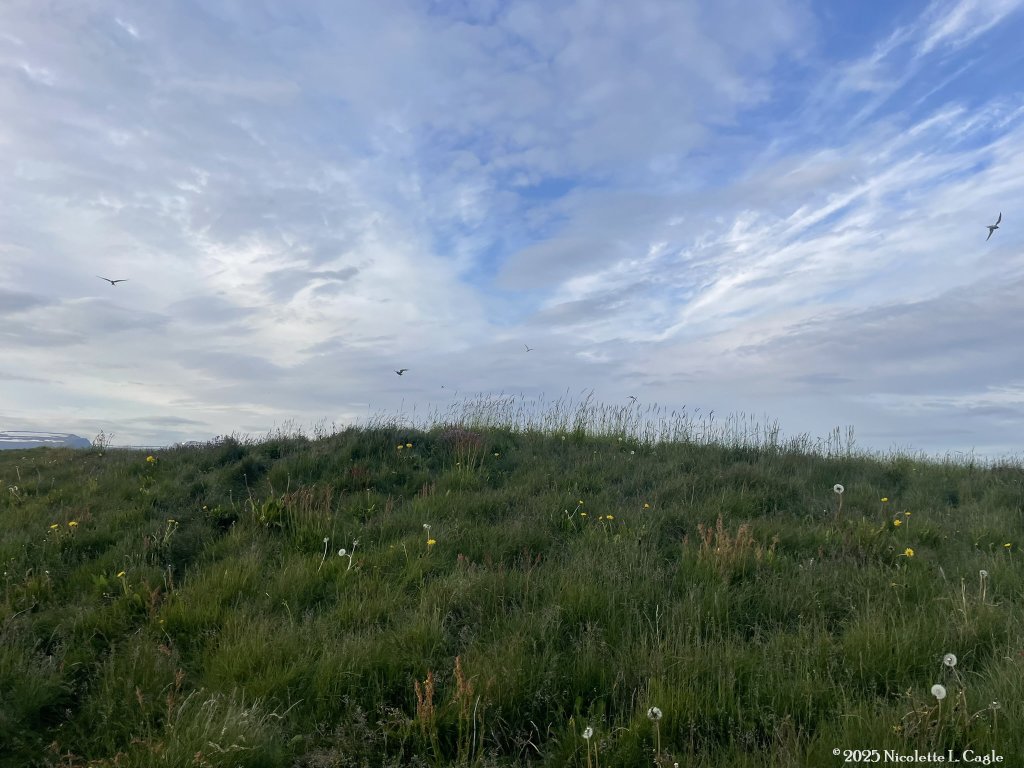
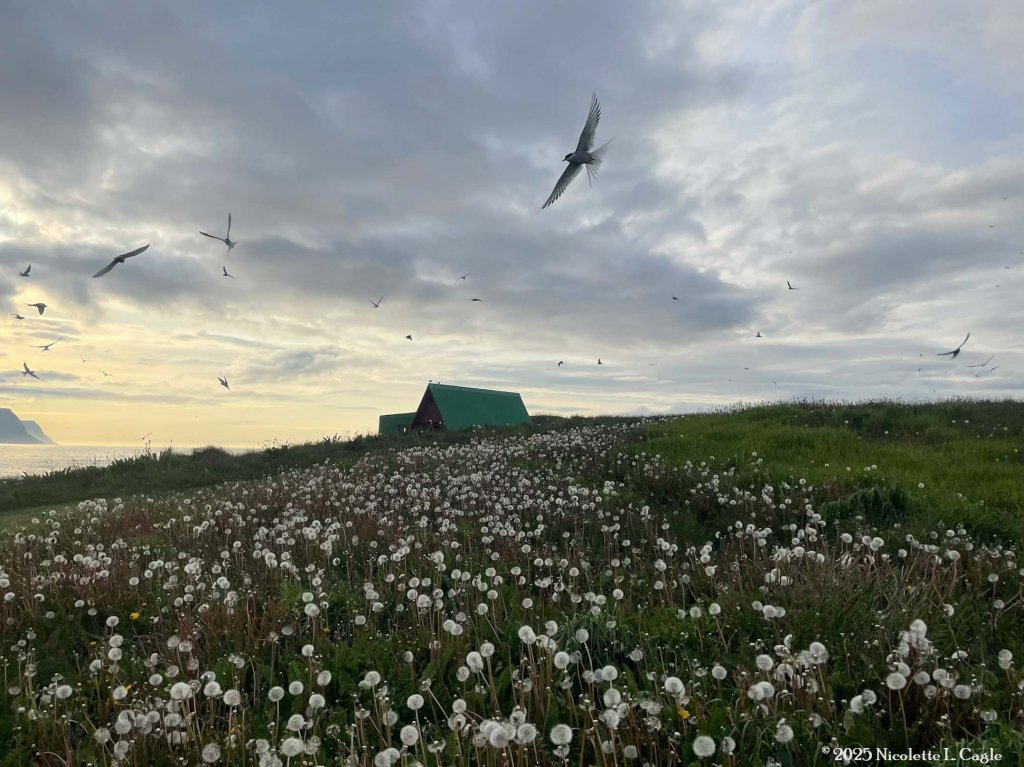
But when I arrived on the cobbled shore of Vigur Island, I wasn’t thinking about people. I was greeted by Black Guillemots and their cheery cherry-red feet. I met Eider ducks and I walked through an Arctic Tern rookery, holding a stick high and appressed to my forehead to avoid nasty laceration from tern beaks and claws. When I first heard a tern, my body reacted, clenching, guarding, reminding me of my work catching and banding Sooty Terns on the Dry Tortugas with conservation biologist Stuart Pimm. Soon, looking across the wide field on an ocean bluff, my body relaxed. The sheer number of Arctic Terns–flying, gliding, maneuvering in the air, and dive-bombing intruders–calmed my nervous system, biodiversity serving as a balm.
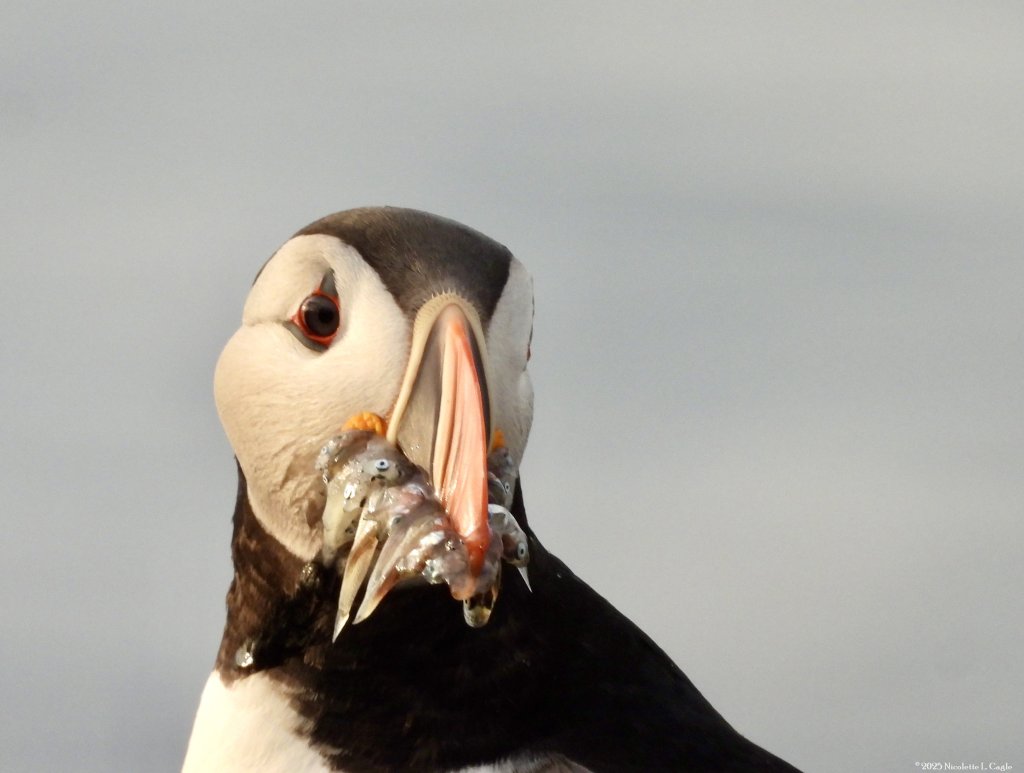
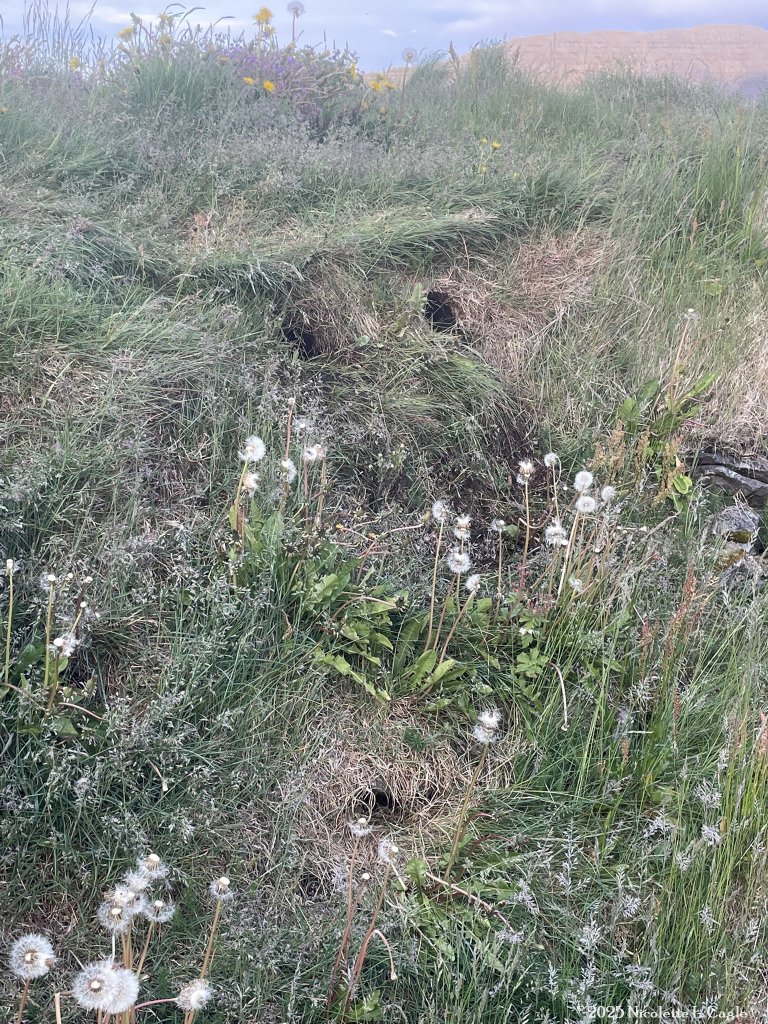
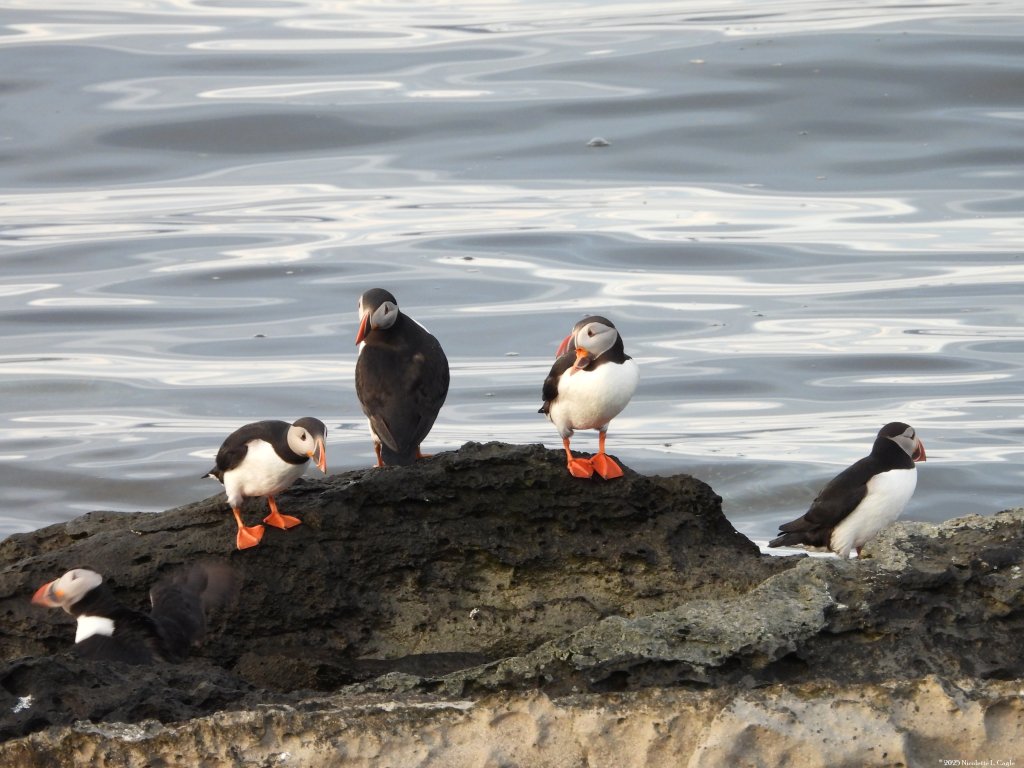
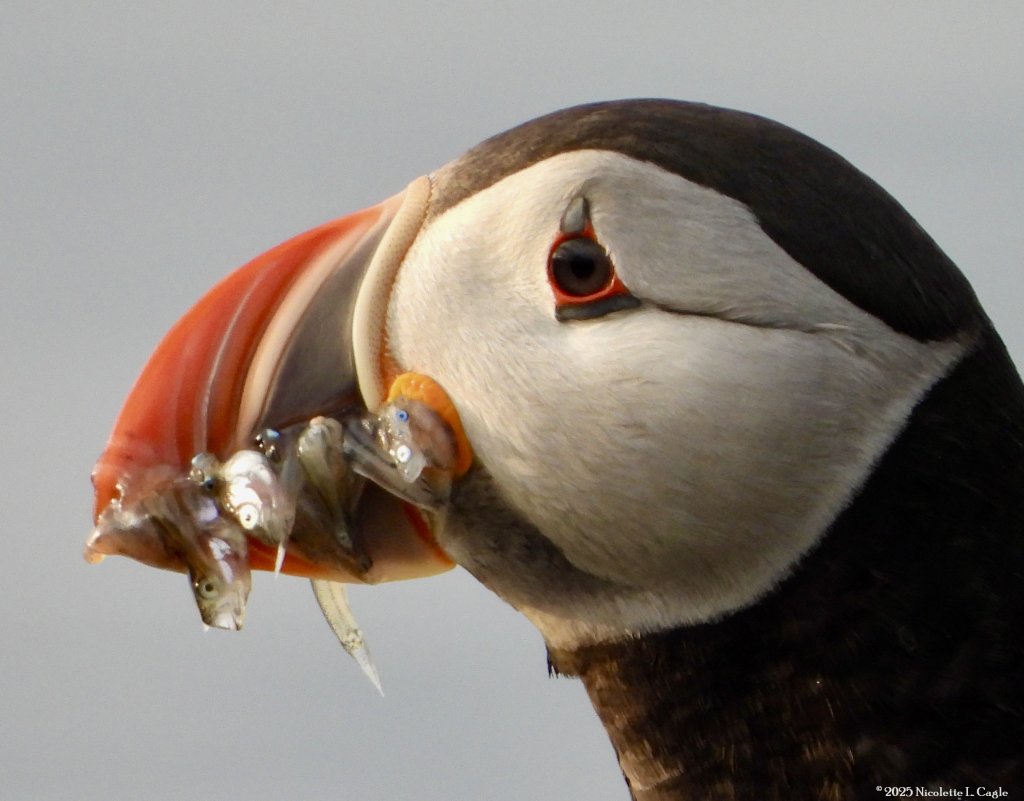
The path through the Arctic Tern nesting ground terminated at a steep cliff jutting over the sea. At first, all I saw was grass and dirt, but then the wide heads and colorful beaks of puffins appeared. Puffins popped out of nesting burrows in the dirt, stood their ground on the land, flapped and readied themselves for evening foraging in the cold waters of Denmark Strait.

Soon the human element became apparent: Only deliberate care of the land and its creatures allows a place to be so rich in bird-life after a thousand years of human impact. One way the owners today maintain avian diversity is by engaging in sustainable eider down collection, a system used for over 200 years. When the Eider duck is ready to nest, a hormone triggers it to form specialized feather tufts, ultra soft and plush for the eggs. The female plucks these soft feathers from her chest and builds her nest.
Eider tenders, as eider down farmers are often referred to, will carefully take away some of the eider nest and replace it with hay, a system that benefits Eider ducks and farmers alike. The swap keeps the Eider chicks cleaner, reducing bird flies, and it keeps them drier too because the hay dries more quickly than the down. Later in the season, the rest of the eiderdown nest is removed. The numbers confirm the mutual success story: today there are 30,000 Eider ducks in this fjord system (Ísafjarðardjúp) are at carrying capacity, likely limited by the abundance of their favorite foods, shellfish and sea urchins.
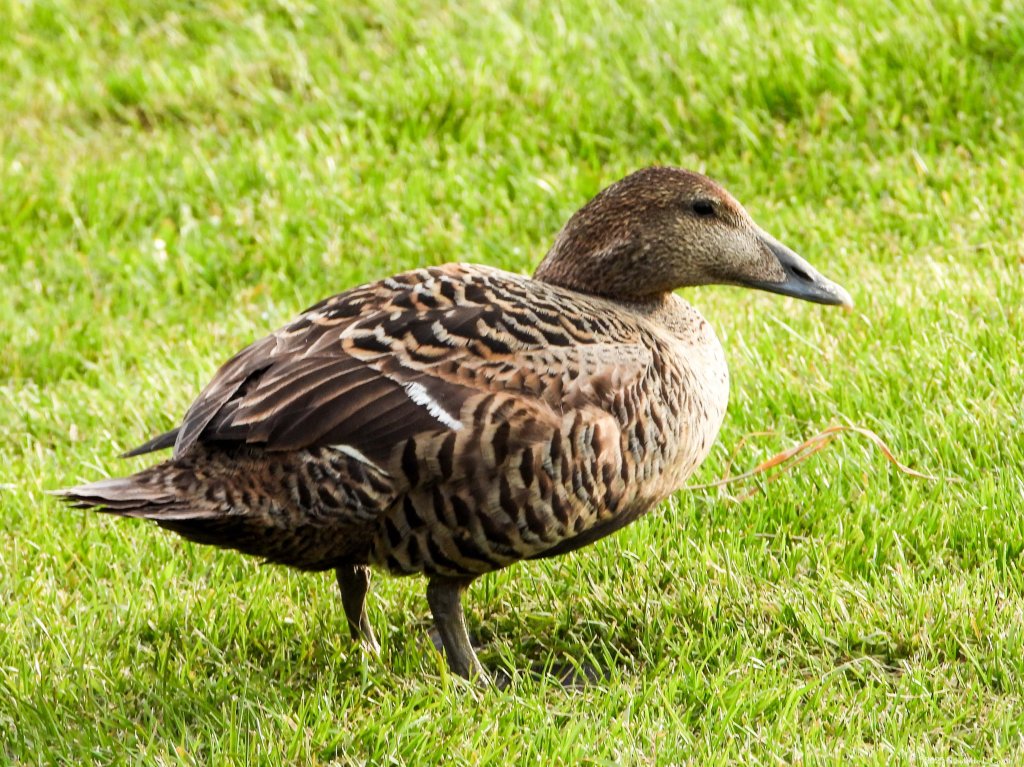
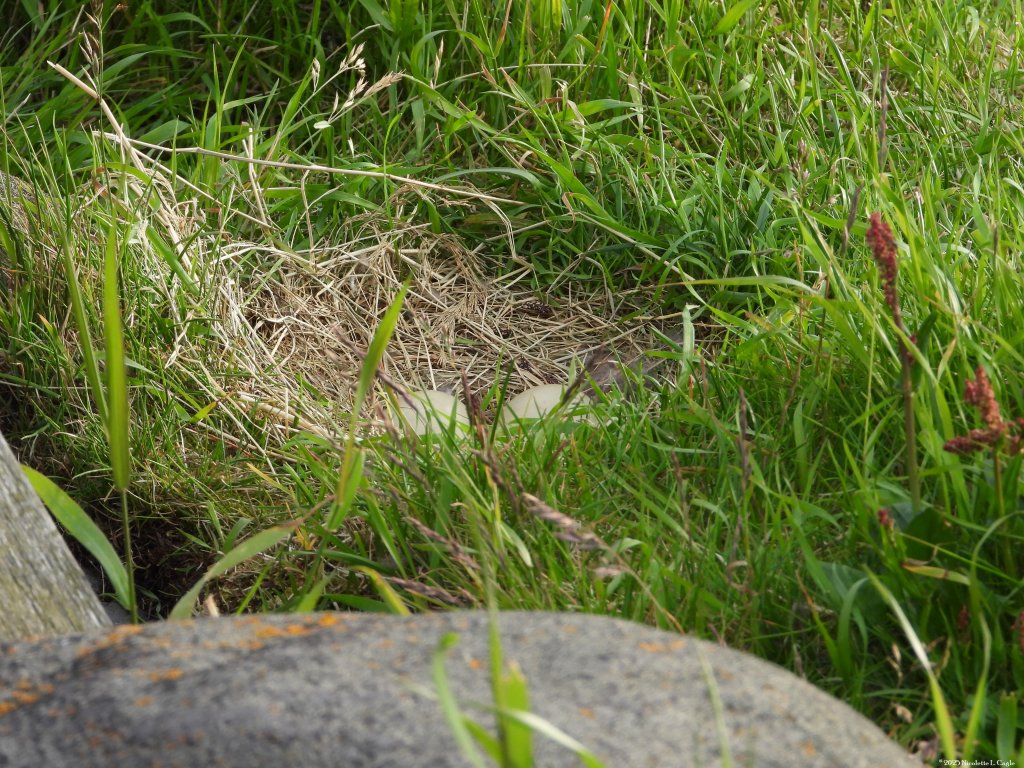
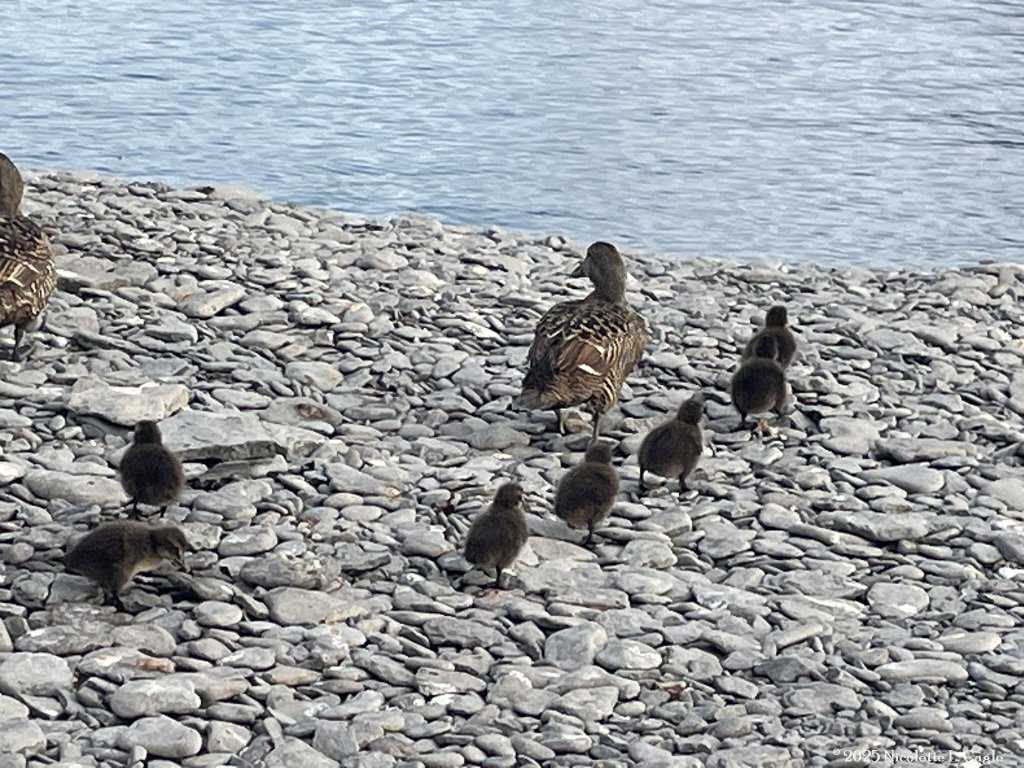
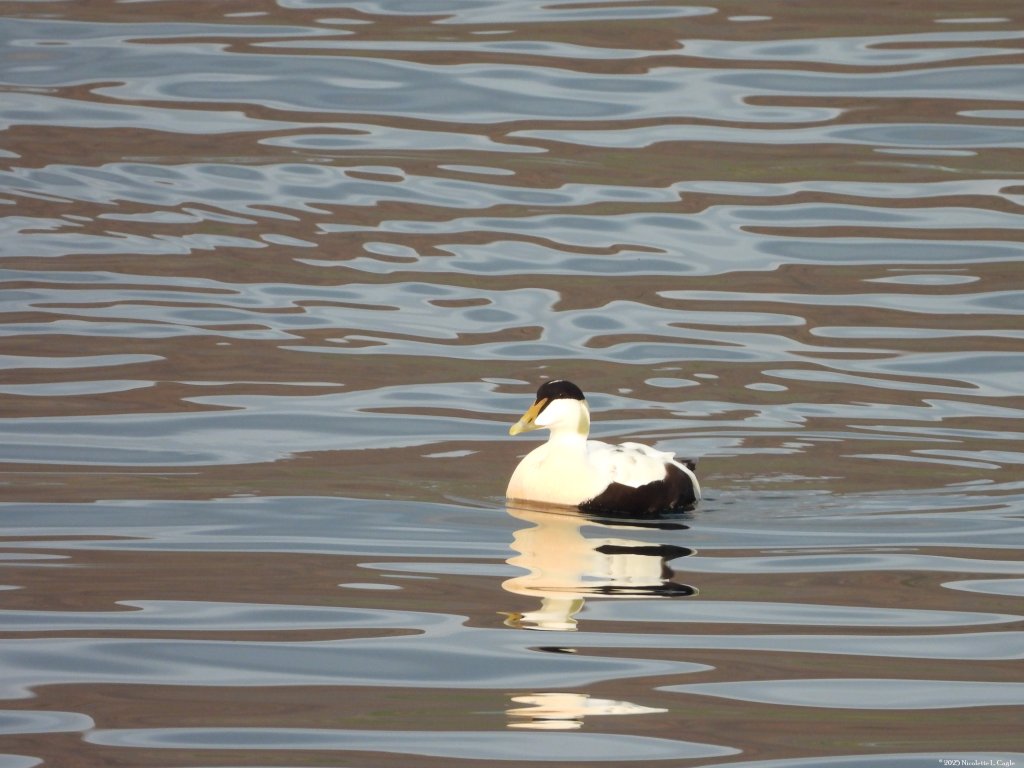
After swapping hay for down, the Eider tenders work has just begun. The down is typically stored overwinter, and then baked at 130°C to sterilize the feathers and make any debris contained within more brittle. Historically, the next step was to rub the eiderdown on a grate, but today a machine from the 1950s replaces this step on Vigur Island. Then the feathers go through a picking machine, and a few additional steps, before being officially examined by Down Inspectors.
After learning about the Eider down farm, we were invited inside by the island’s intrepid Arctic explorer and owner, Felicity Aston. We nibbled on Rhubarb Pie (Hjónabandssæla), a traditional “happy marriage cake” that seemed to honor the goldsmith and his fiancee, and we took stock of the powerful ways that the human and non-human systems can operate for mutual thriving. I took a final walk to the lighthouse as the sun lowered in the sky, bidding adieu to bright-billed puffins and waving back at whale tails high in the air.
 Sense of Place