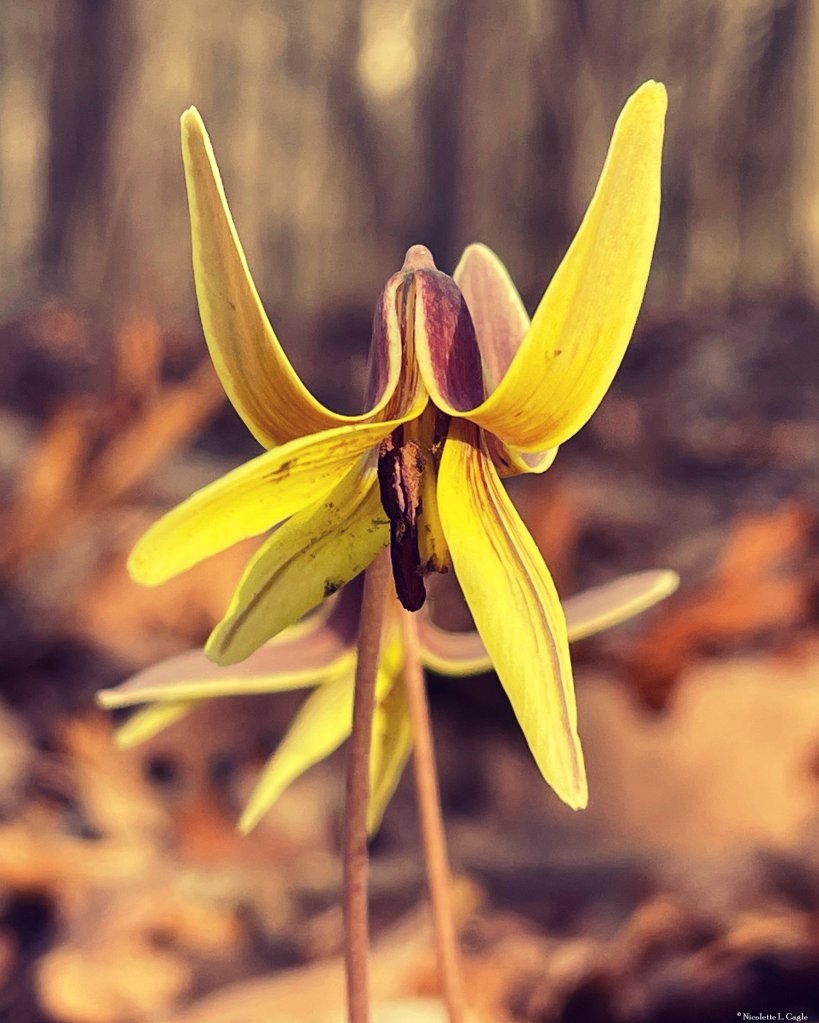
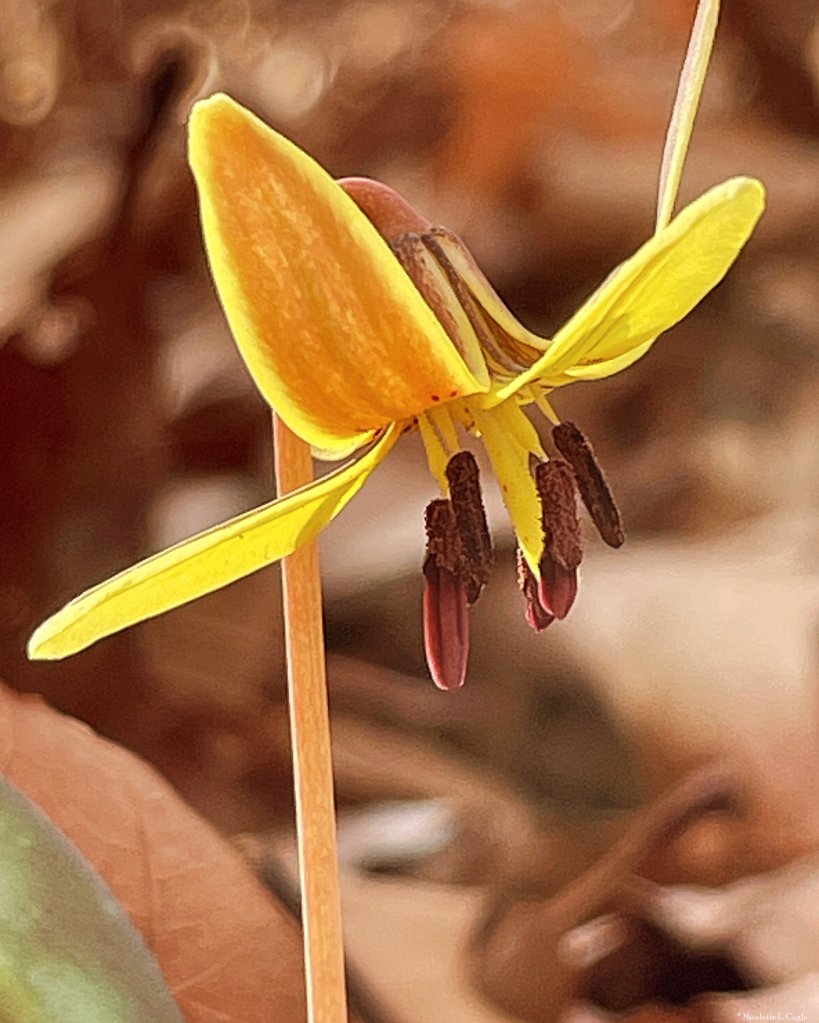
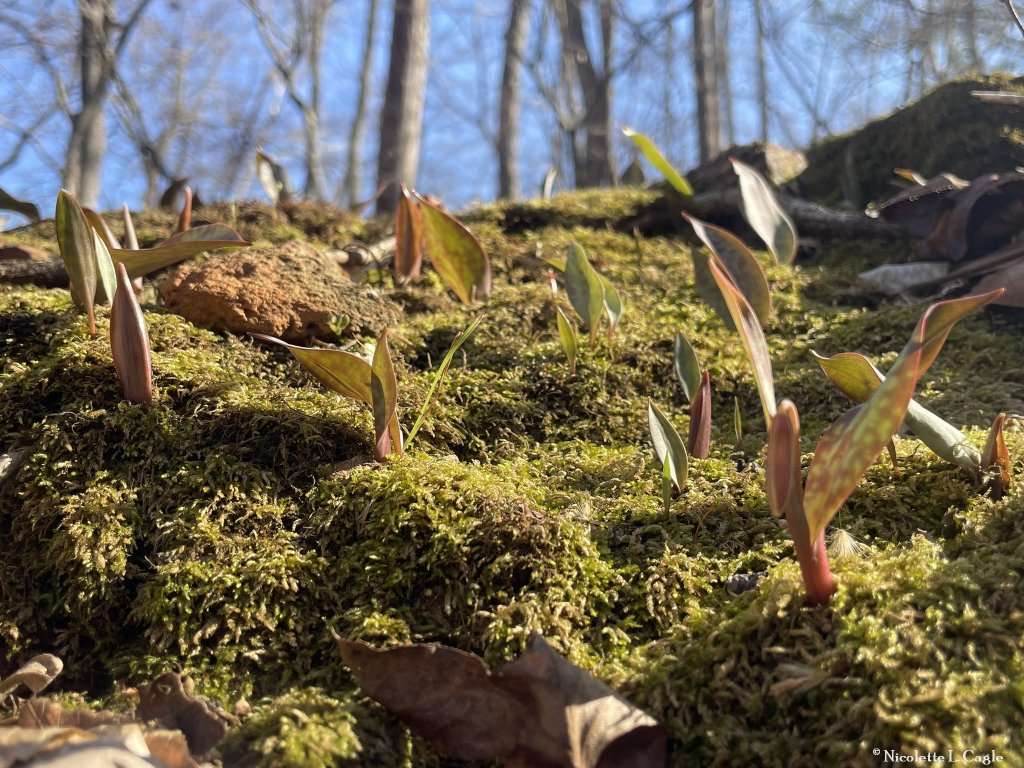
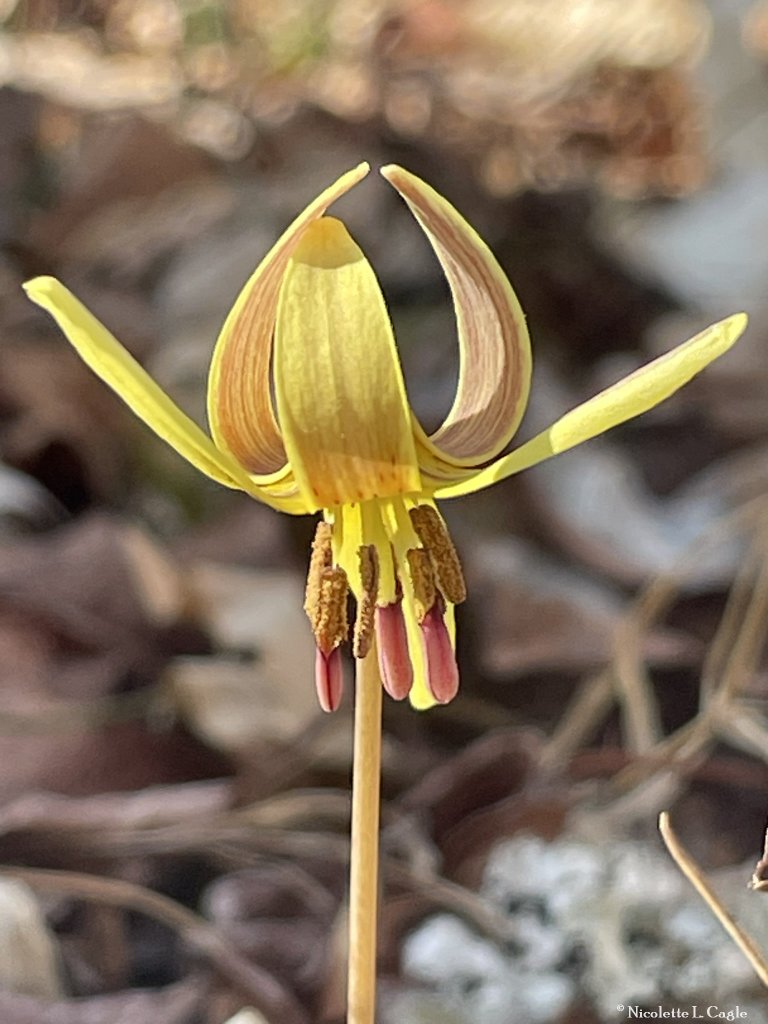
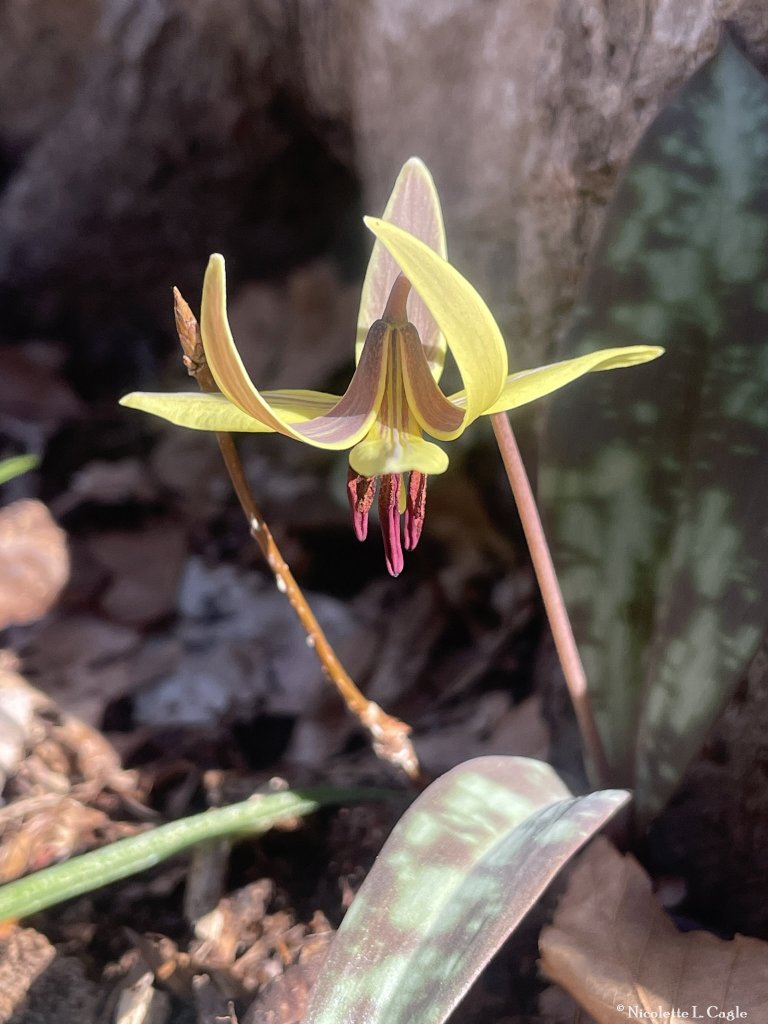
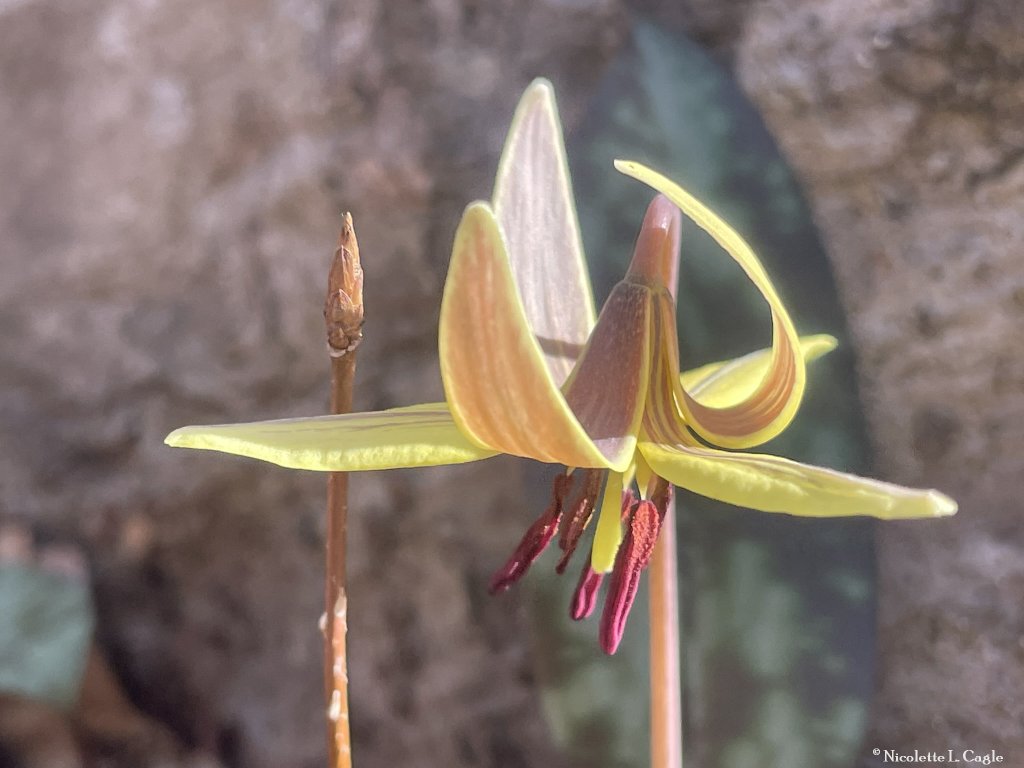
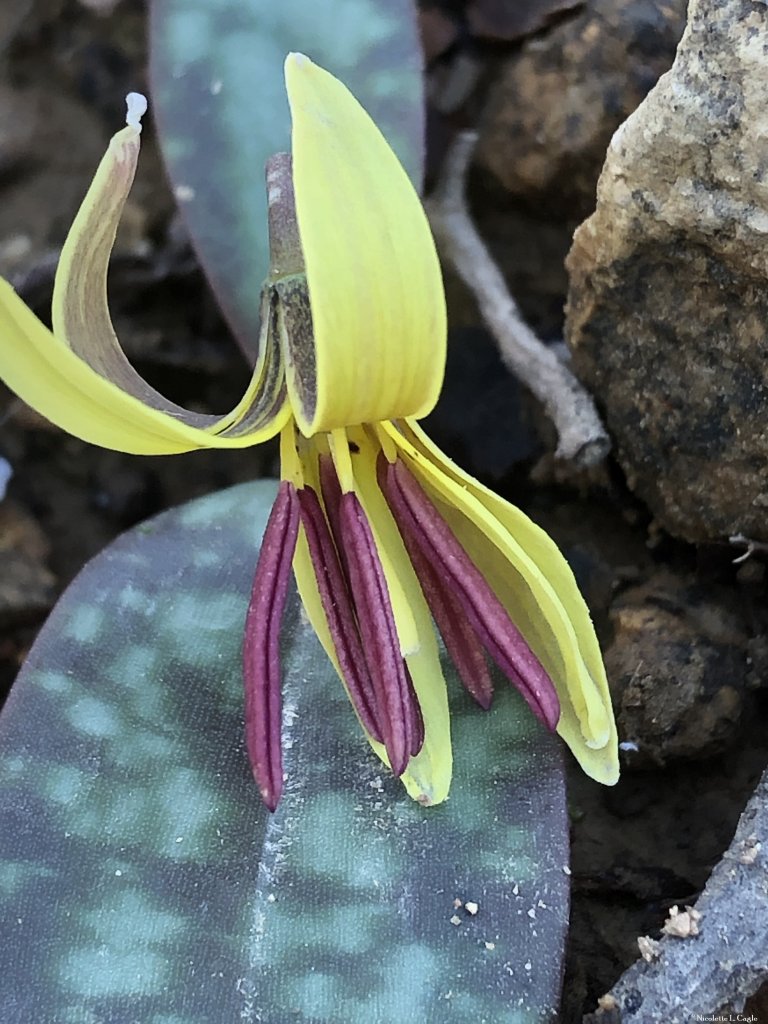
Spring ephemerals are woodland plants that bloom early in Spring, capturing sunlight that hits the forest floor before the trees leaf out. Some of these ephemerals, like Trout Lilies (Erythronium sp.) have colonies that are over 100 years old!
We see spring ephemerals, their delicate leaves and incandescent flowers, during their epigeous or above ground phase, but these season-adapted plants spend most of their life in a hypogeous or below ground phase, reliant on extensive mycorrhizal associations to get water.
During the spring, when temperatures fluctuate wildly, many spring ephemerals close up in the cold. This opening and closing of blooms, and sometimes leaves, is called nastic movement. Some flowers exhibit nastic movement in response to day-length (i.e., photonasty where increases in light trigger the production of the hormone auxin, which causes cells to grow) or temperature (i.e.,thermonasty where liquid warms in the cells at the base of flowers, causing the cells to expand the the flowers to open). Photonastic and thermonastic movement can help protect pollen when the weather is bad.
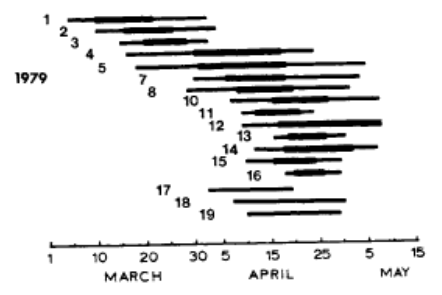
In the Piedmont of North Carolina, researchers in the Duke Forest (e.g., Alex Motten) in the 1970s and 1980s spent a lot of time looking at phenology, or the timing of cycling natural phenomena such as blooming or leaf burst.
Figure 1. Bloom times for Spring flowers in the Duke Forest in 1979 from Alexander F. Motten, “Pollination Ecology of the Spring Wildflower Community of a Temperate Deciduous Forest,” Ecological Monographs 56, no. 1 (February 1986): 21–42, https://doi.org/10.2307/2937269.
Since these earlier studies were published, researchers have found phenological changes across taxa associated with various metrics of climate change, especially the timing of snow melt and average spring temperatures. For example, Rebecca M. Prather and colleagues (2023) found that for plants in temperate areas, increasing average spring temperatures correspond with earlier phenological activity. Some changes in phenological activity responded to lags up to two growing seasons prior. For example, hotter summers one and two years prior result in earlier phenological activity for both plants and amphibians!
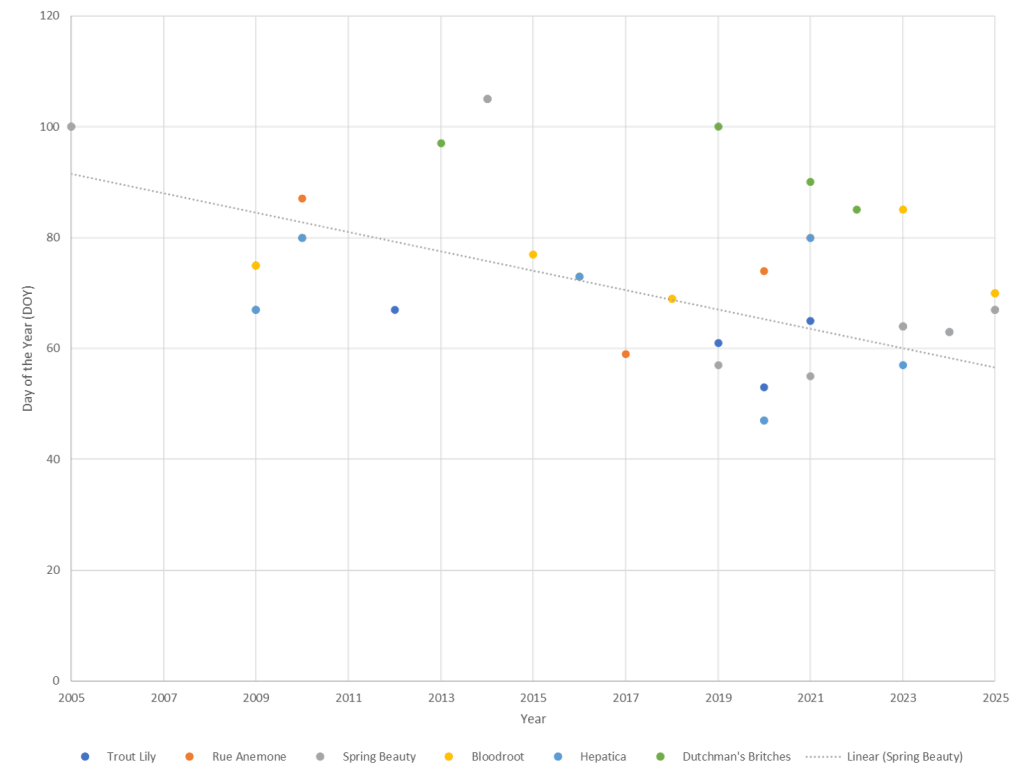
Here in the Piedmont of North Carolina, I’ve been taking notes, photographing spring ephemerals, and recording bloom dates in Durham, Orange, and Wake Counties for 20 years, since 2005. Below you can see a chart of my own records of bloom dates (written as day of the year, e.g., Day 32 = Feb 1) by year. The overall trend supports the work of other researchers suggesting earlier bloom times for spring ephemerals as the climate warms and spring temperatures increase sooner.
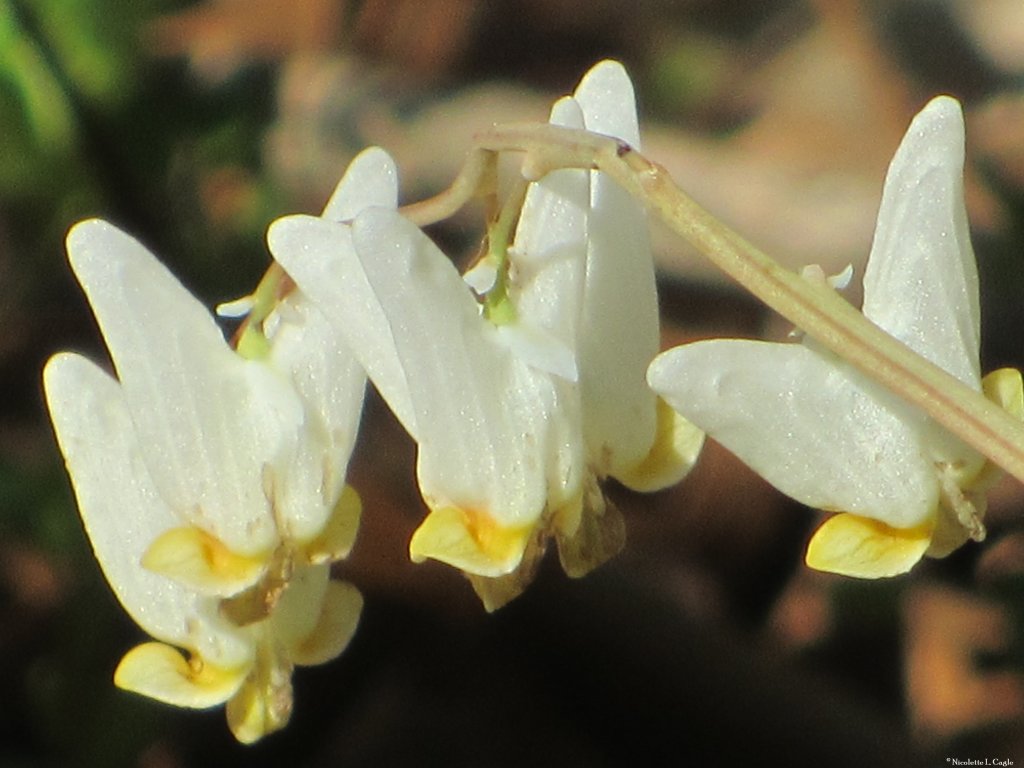
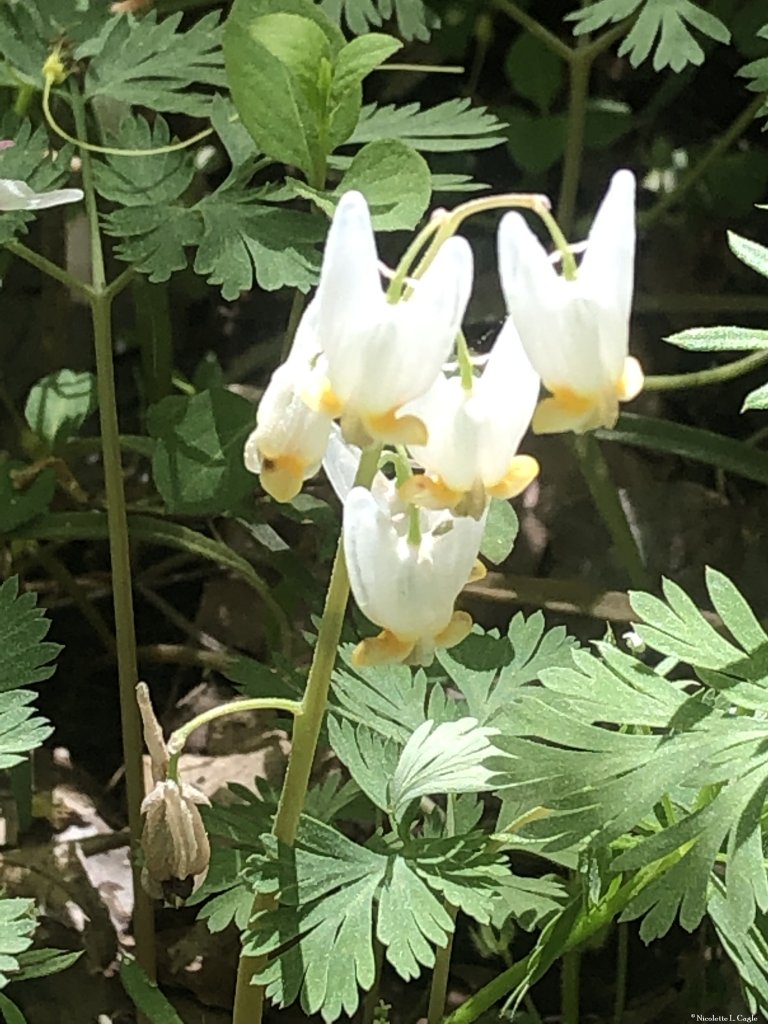
Figure 2. Bloom first bloom dates of spring ephemerals [Bloodroot (Sanguinaria canadensis), Dutchman’s Britches (Dicentra cucullaria), Hepatica (Hepatica sp.), Rue Anemone (AKA Windflower, Thalictrum thalictroides, Anemonella thalictroides), Spring Beauty (Claytonia virginica), and Trout Lily (Erythronium americanum and Erythronium umbillicatum)] in the Piedmont of NC (2005-2025), collected by Nicolette L. Cagle. Includes a trend line for Spring Beauty’s (Claytonia virginica) earliest noted bloom time.
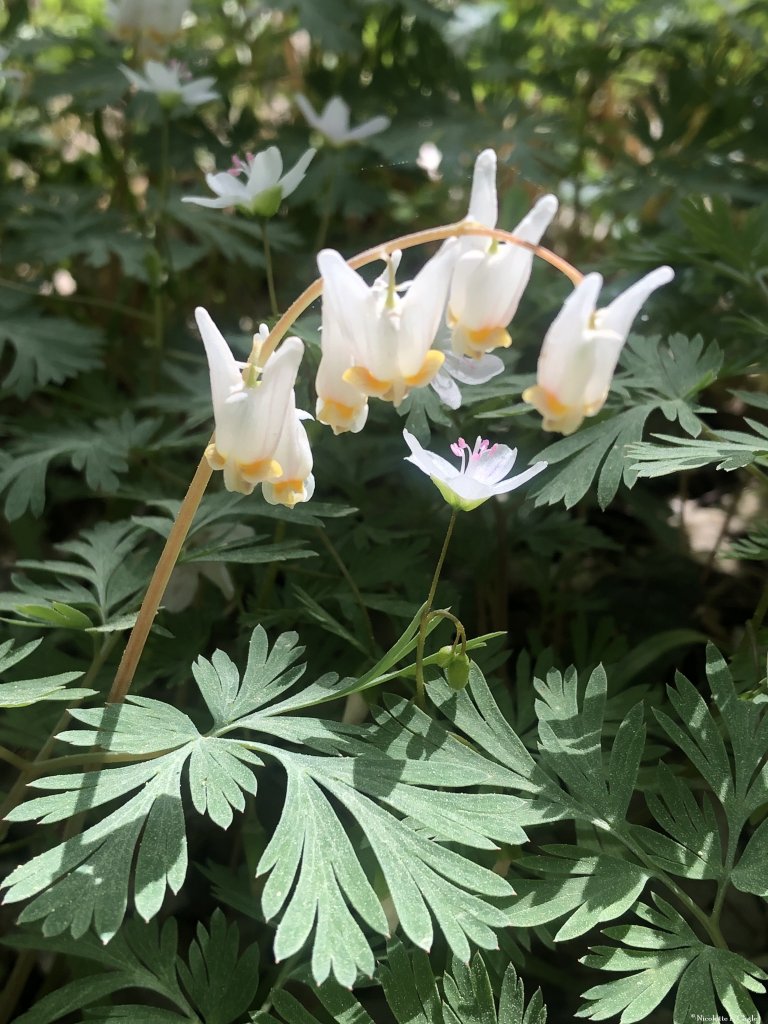
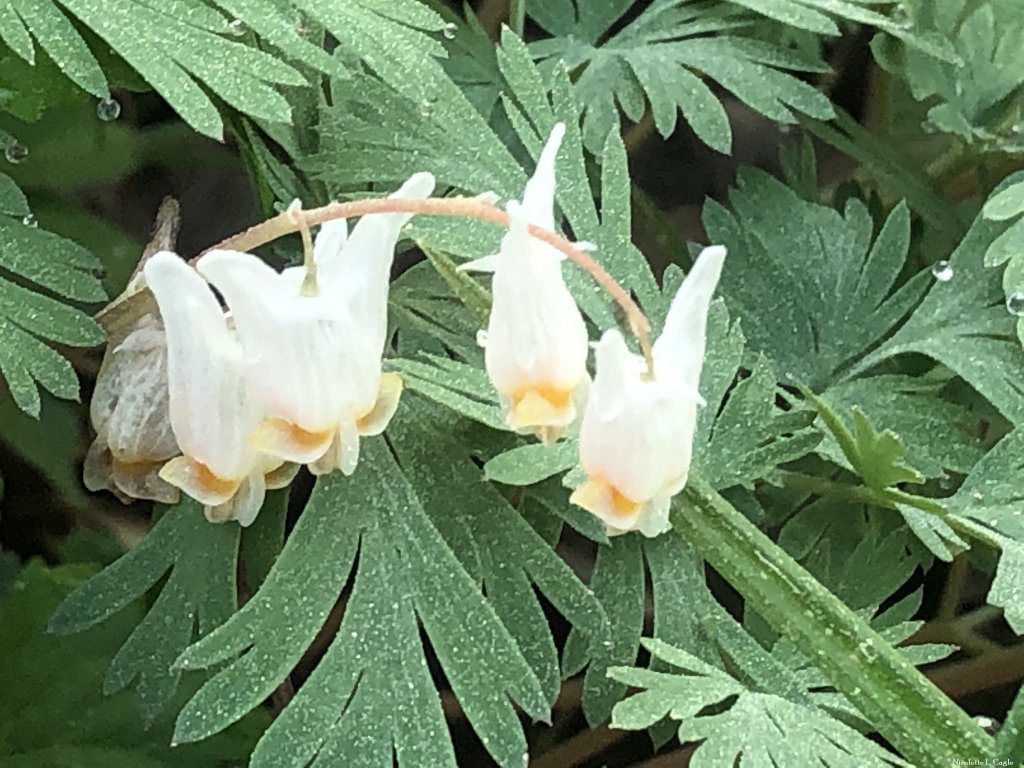
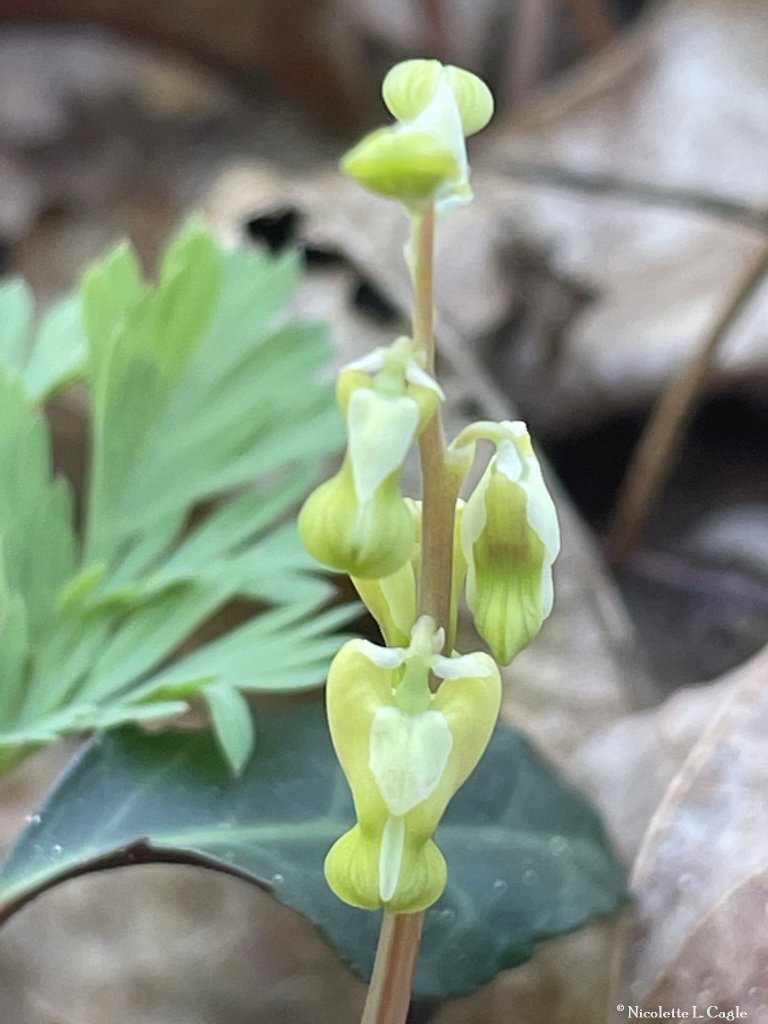
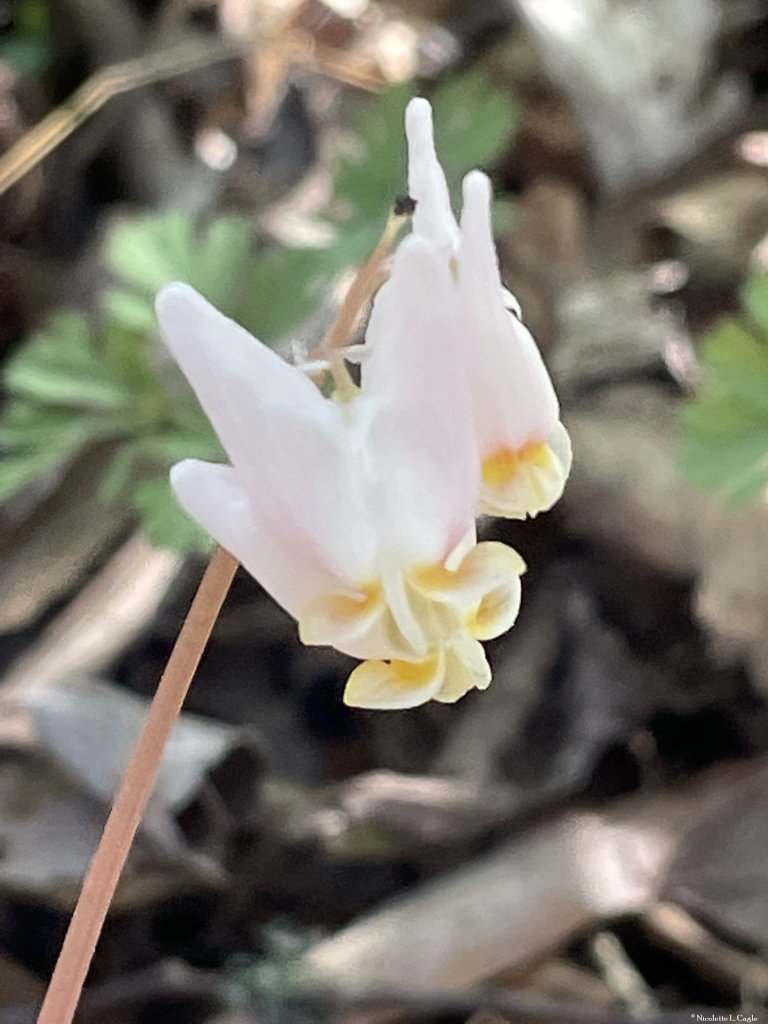
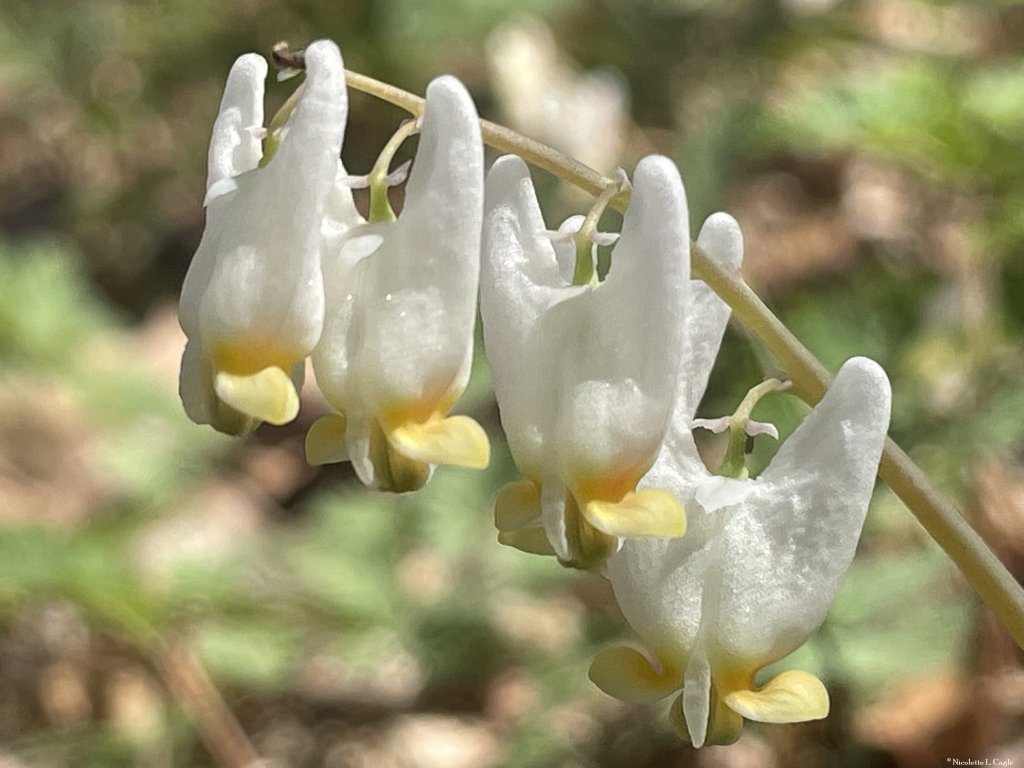
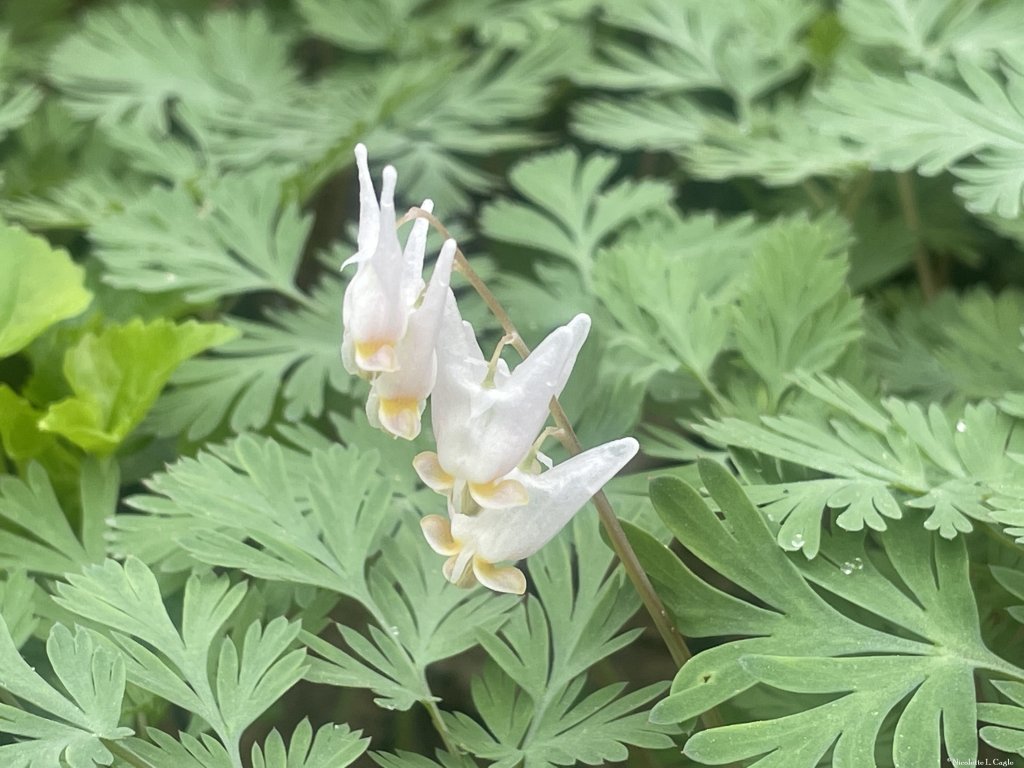
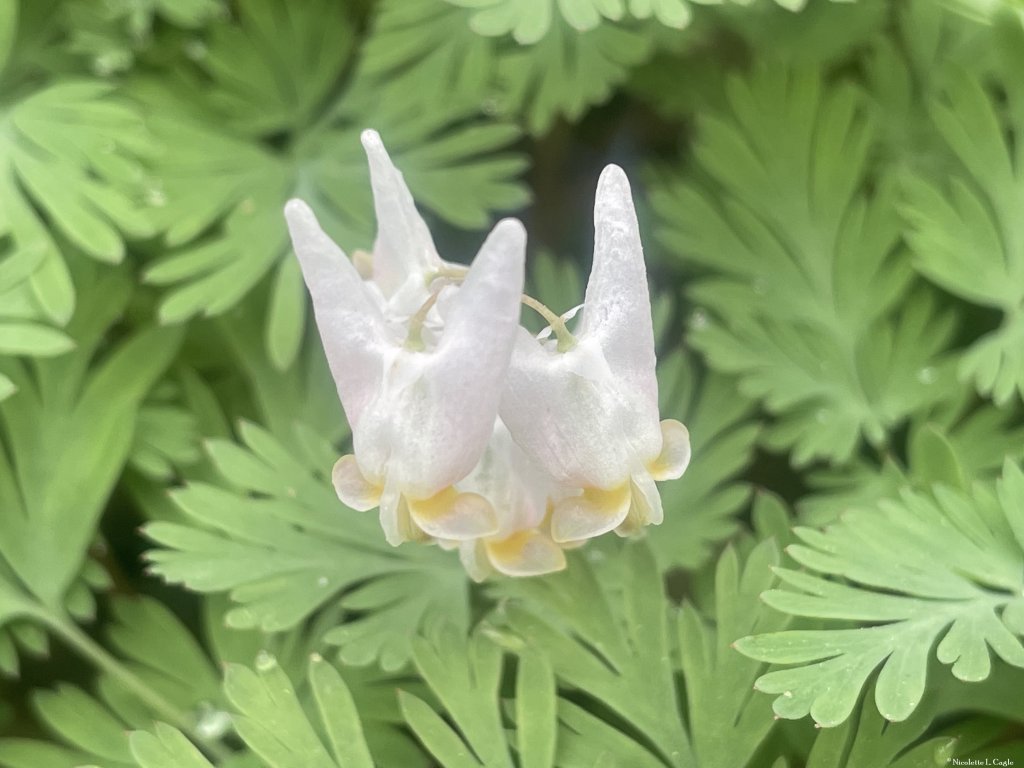
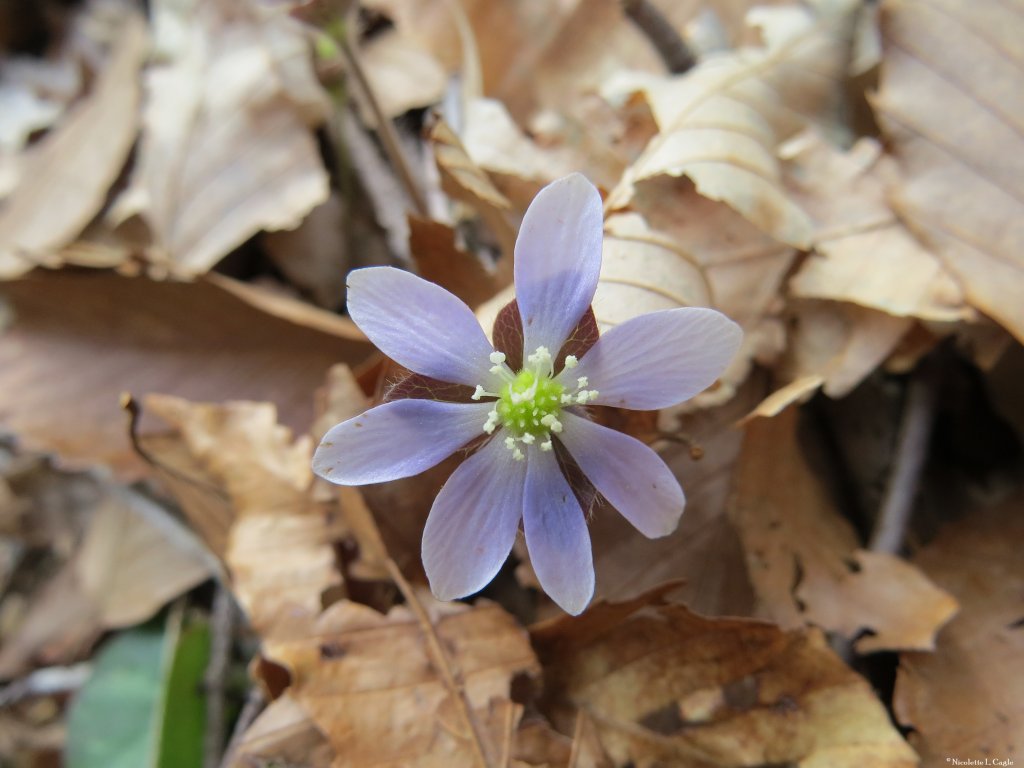
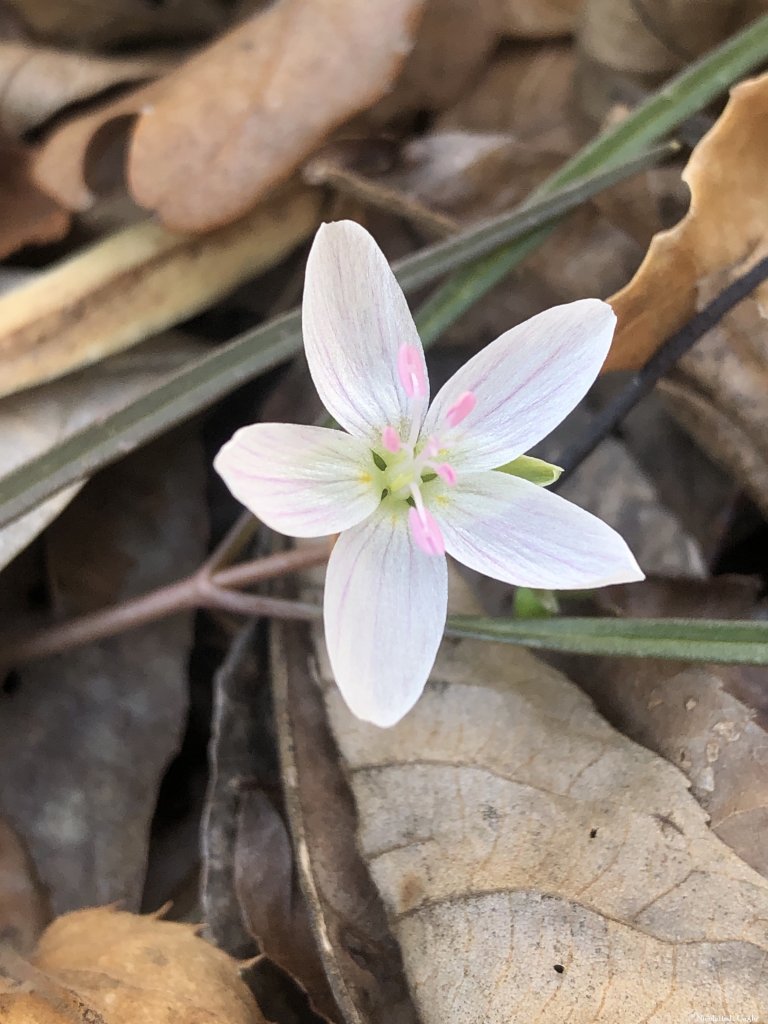
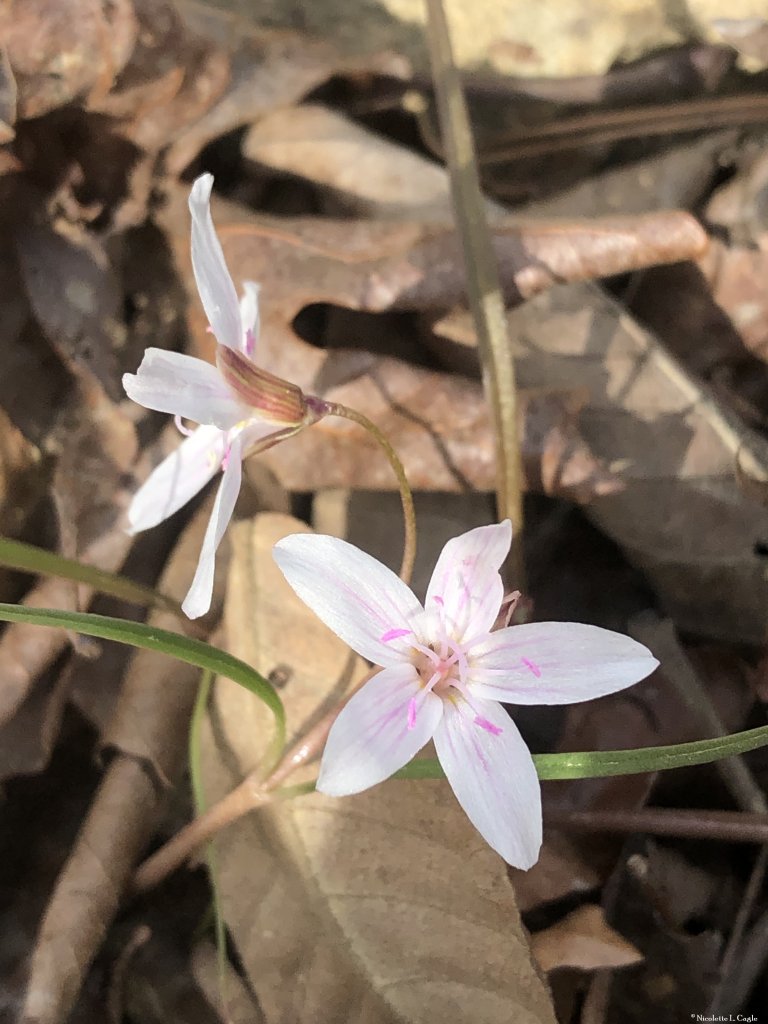
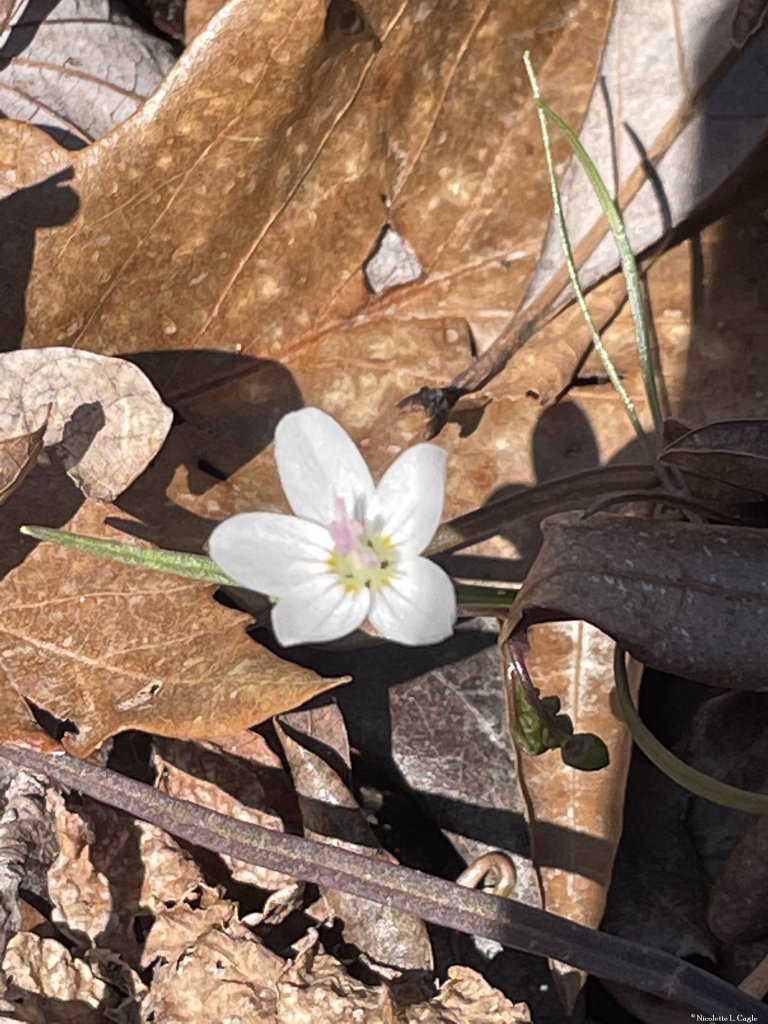
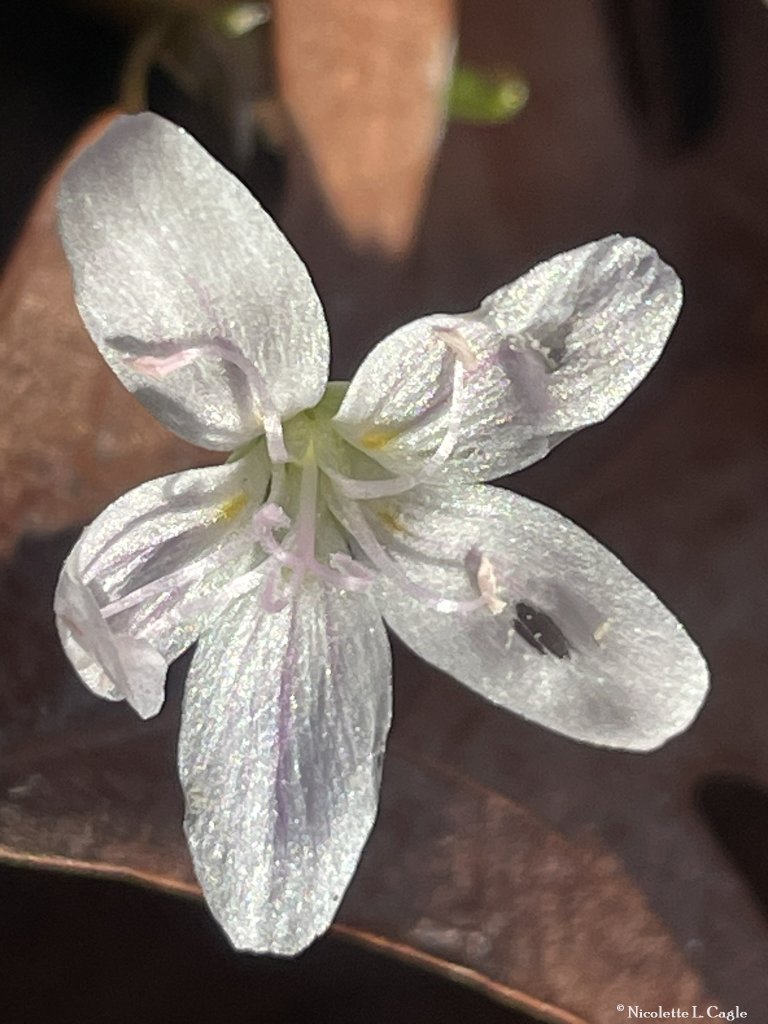
Photos of Spring Ephemerals in the North Carolina Piedmont (primarily Durham County, also Orange and Wake Counties) between 2005 and the present.
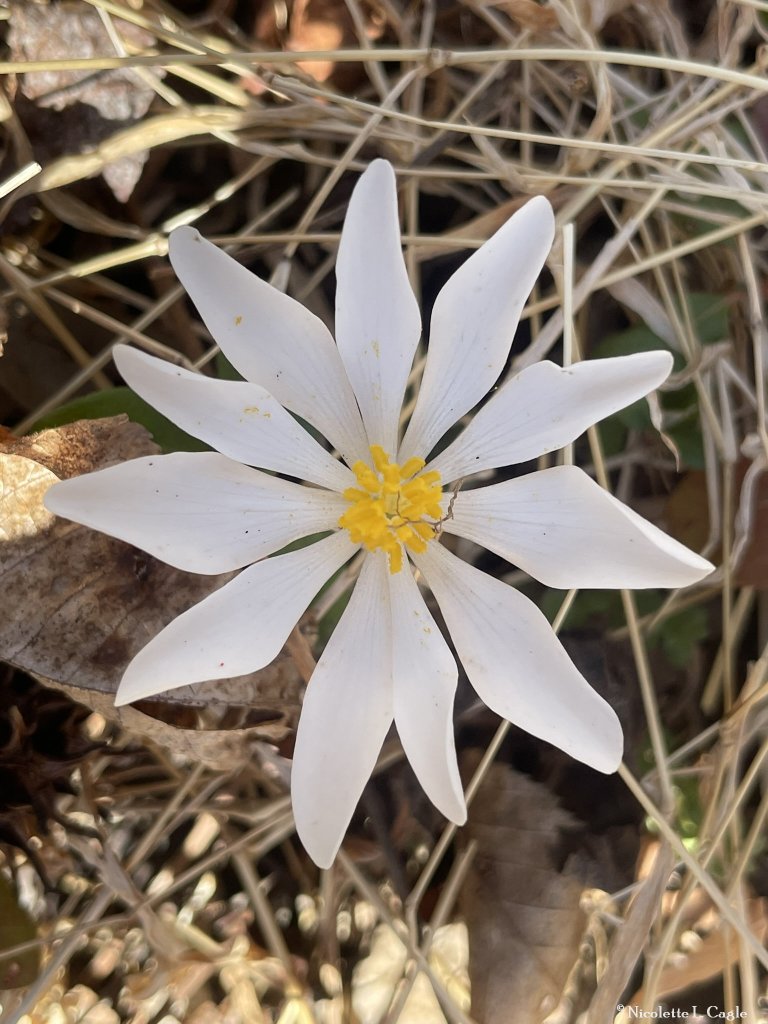
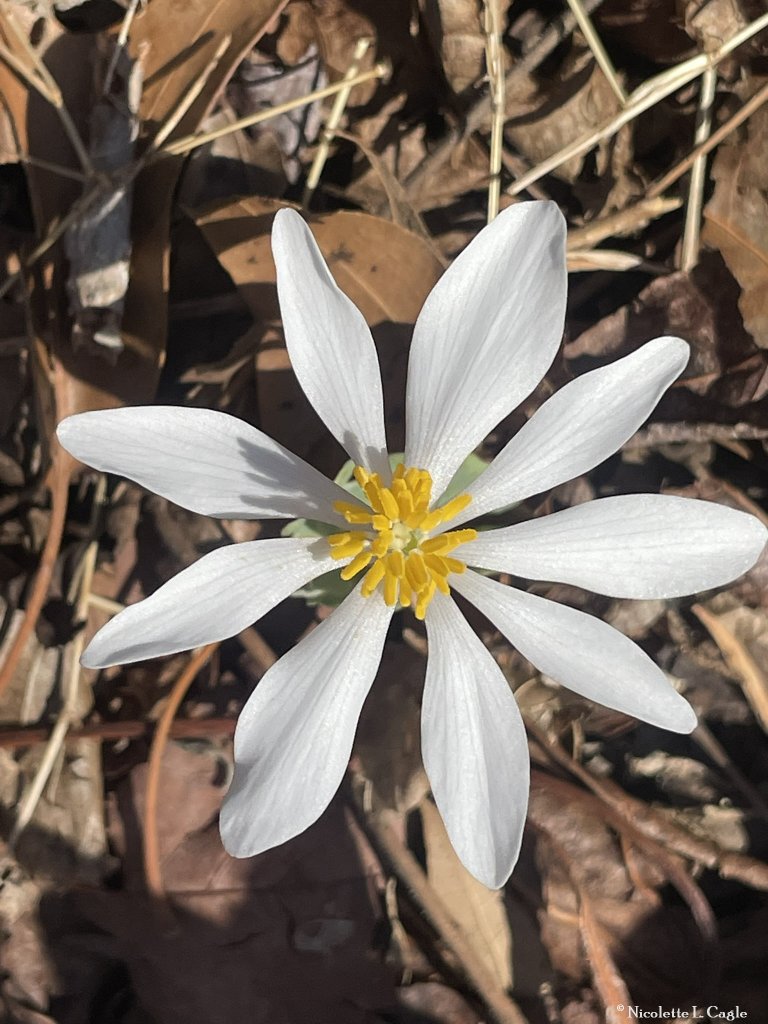
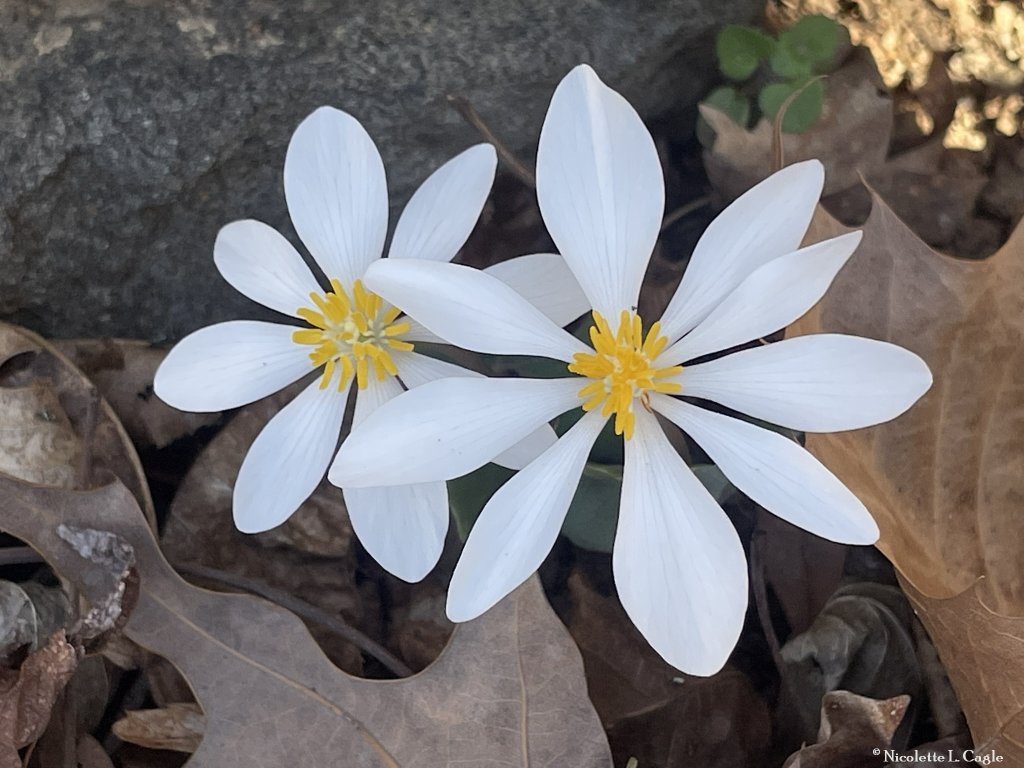
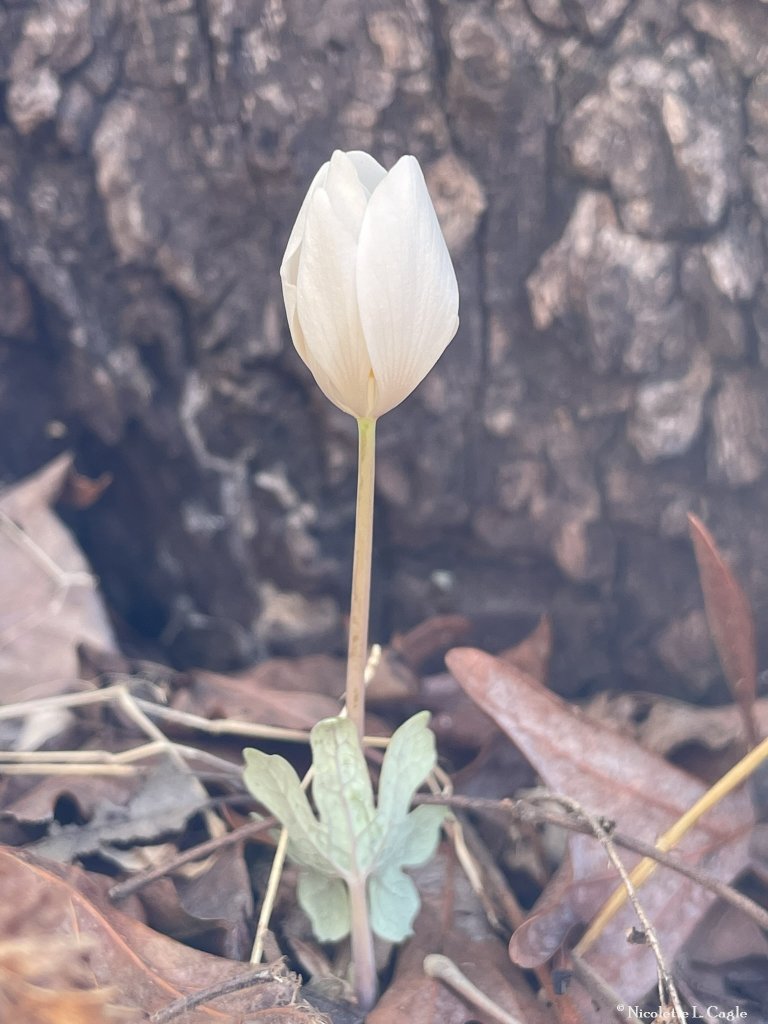
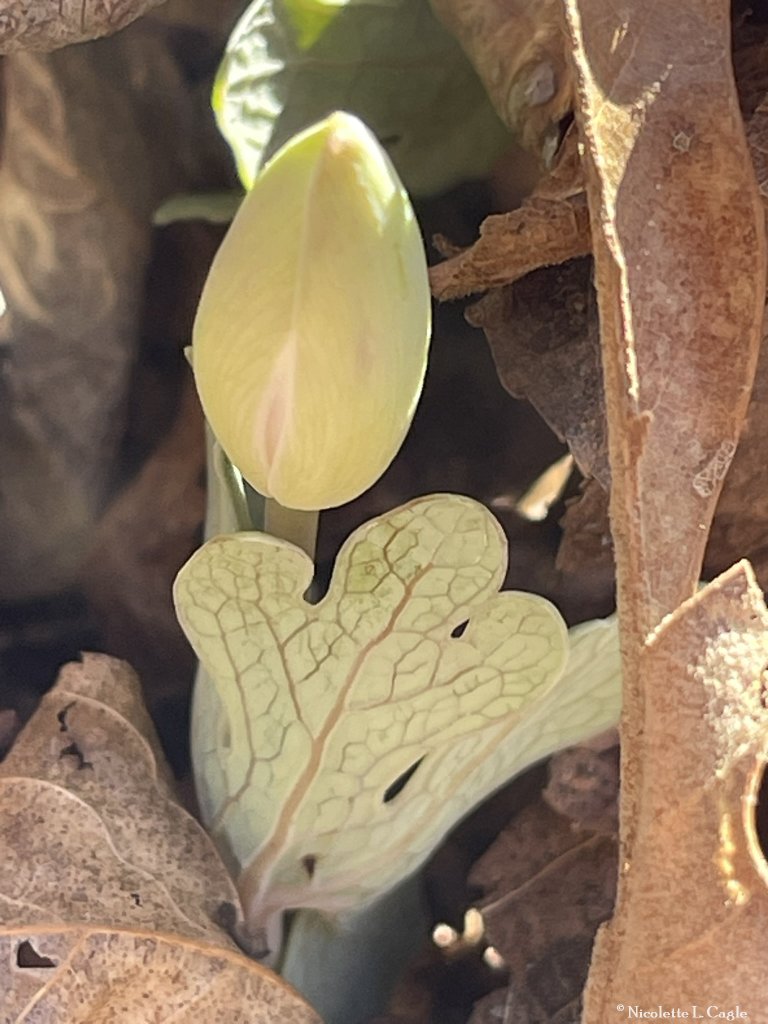
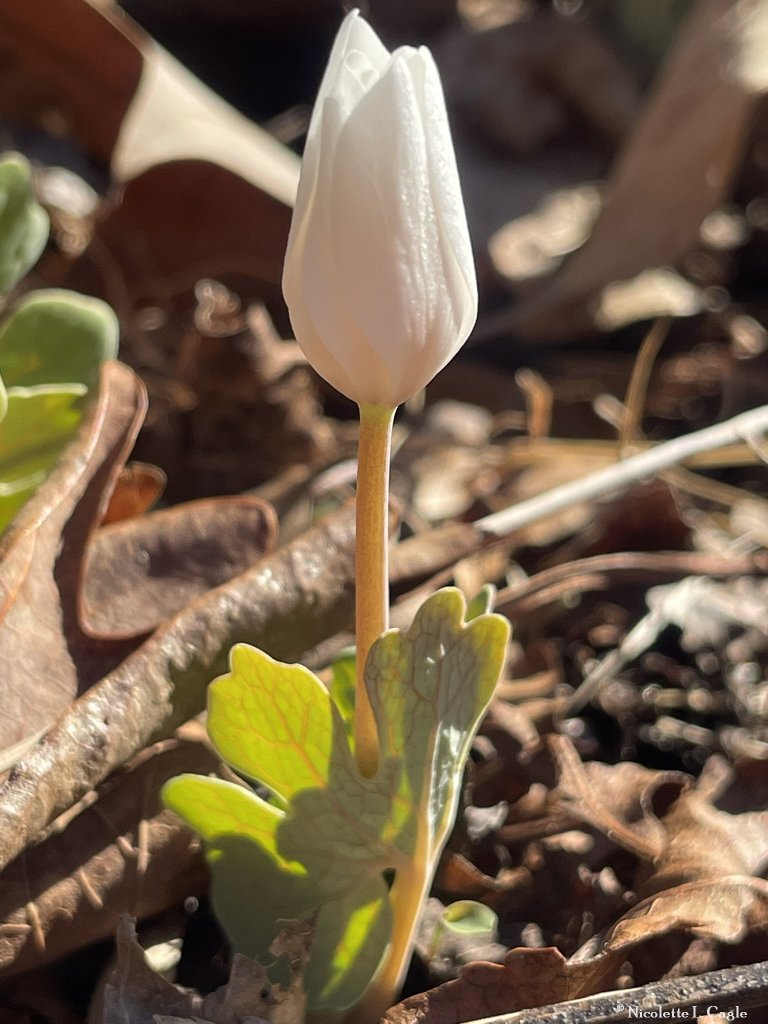
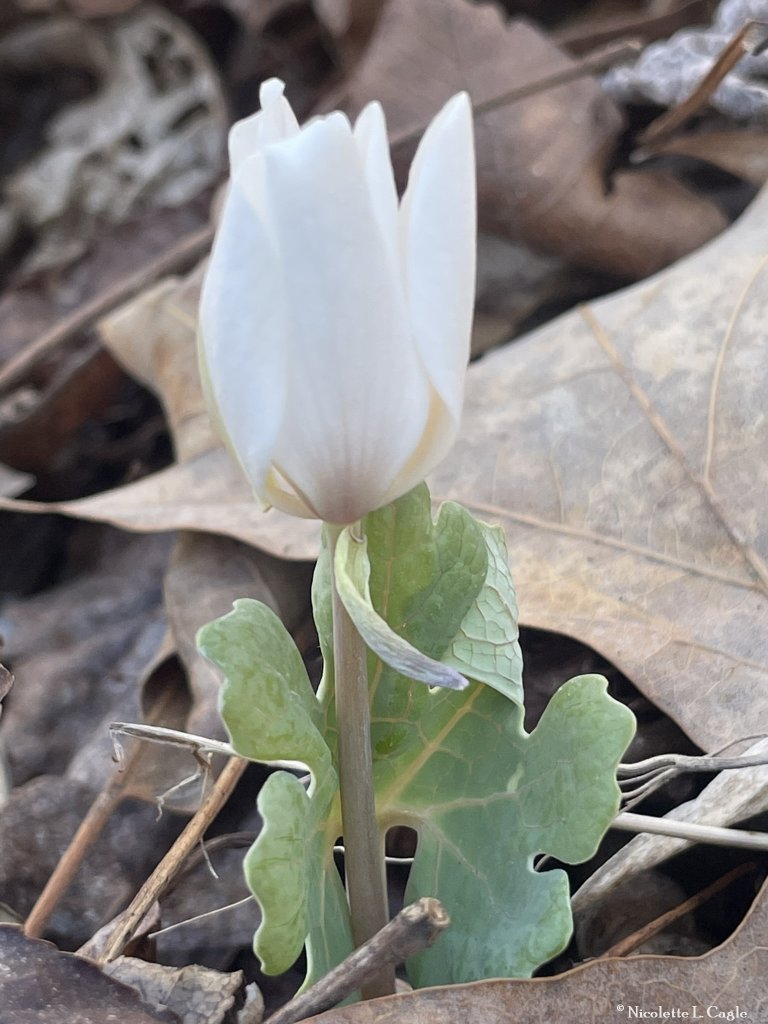
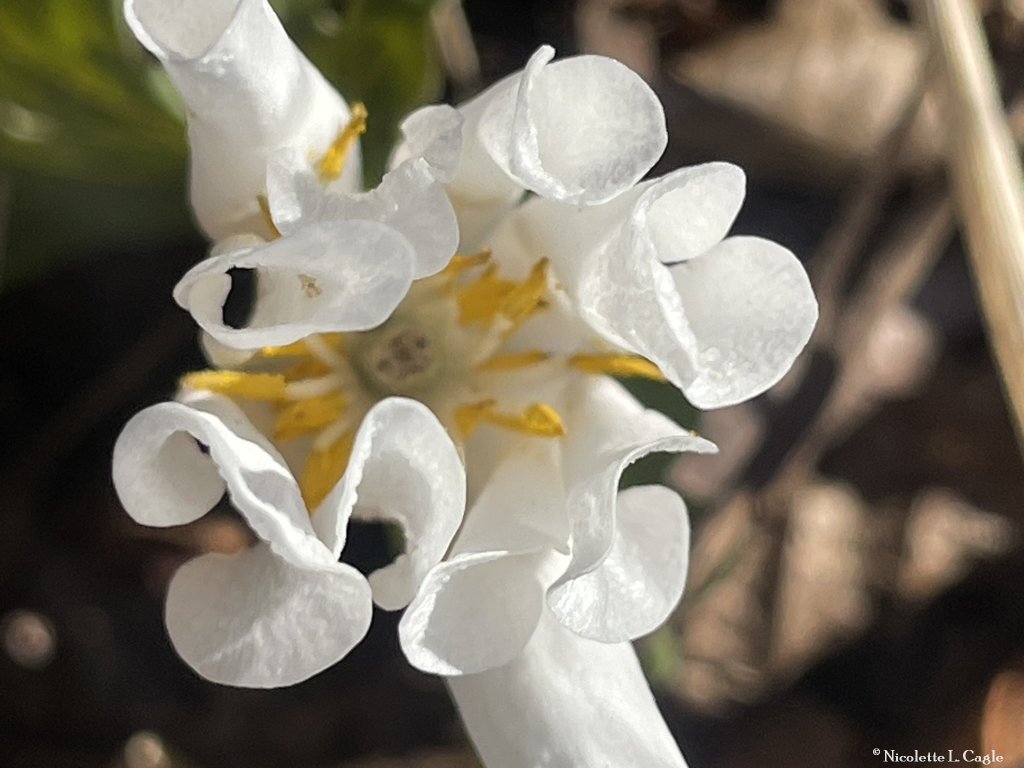
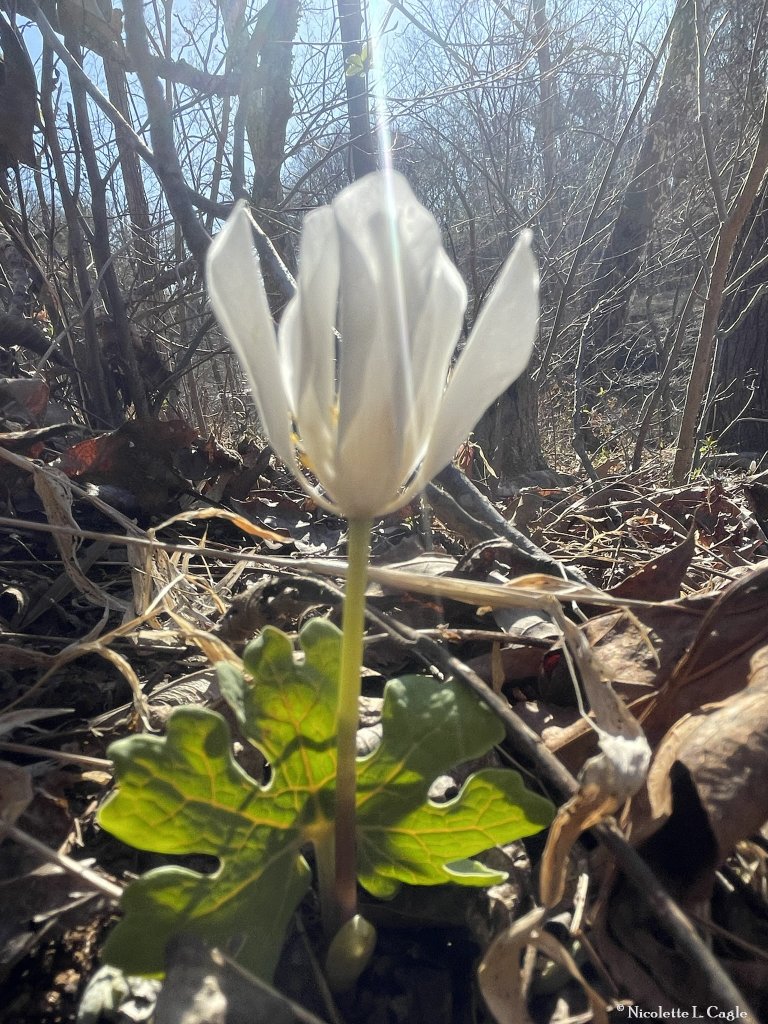
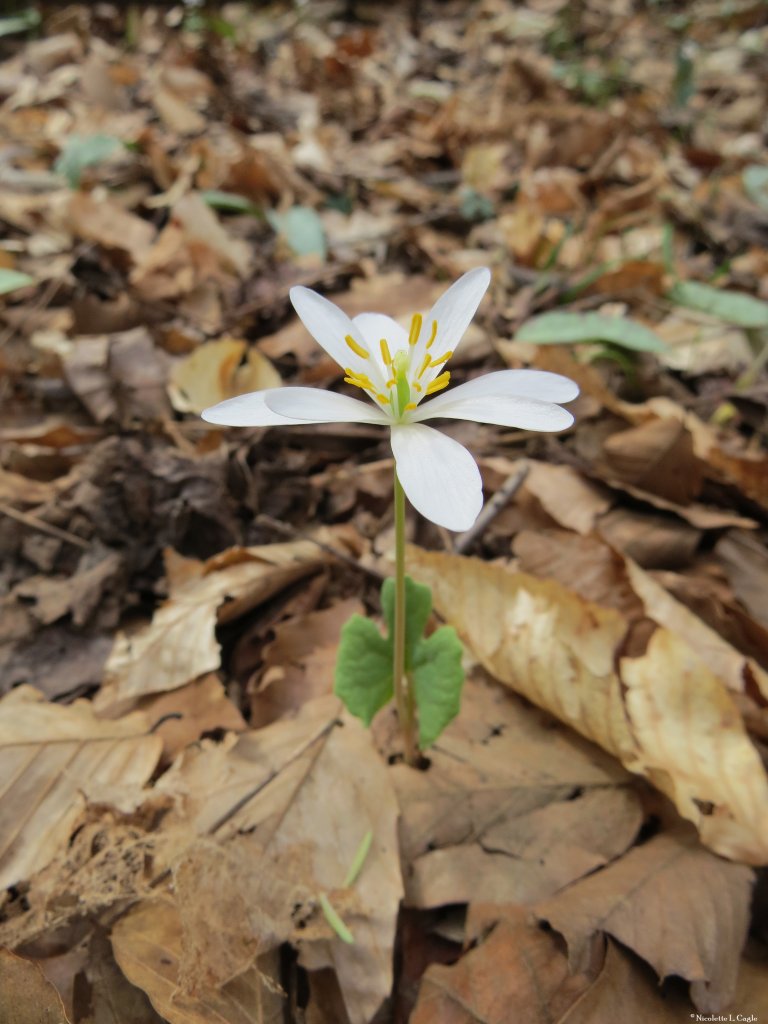
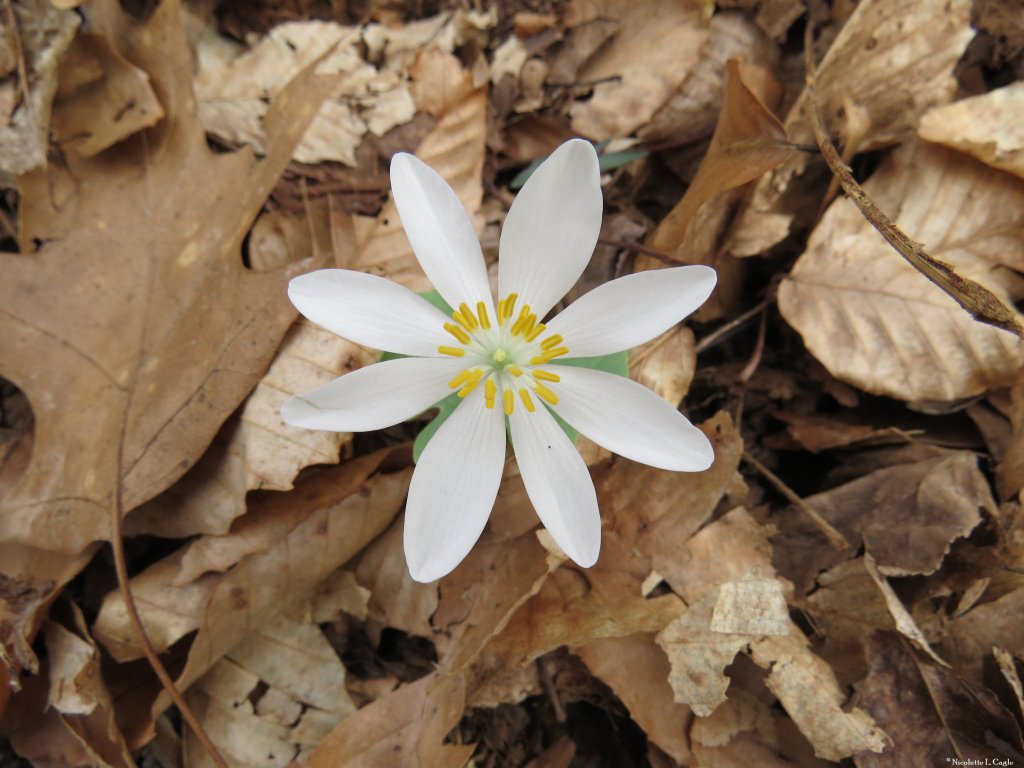
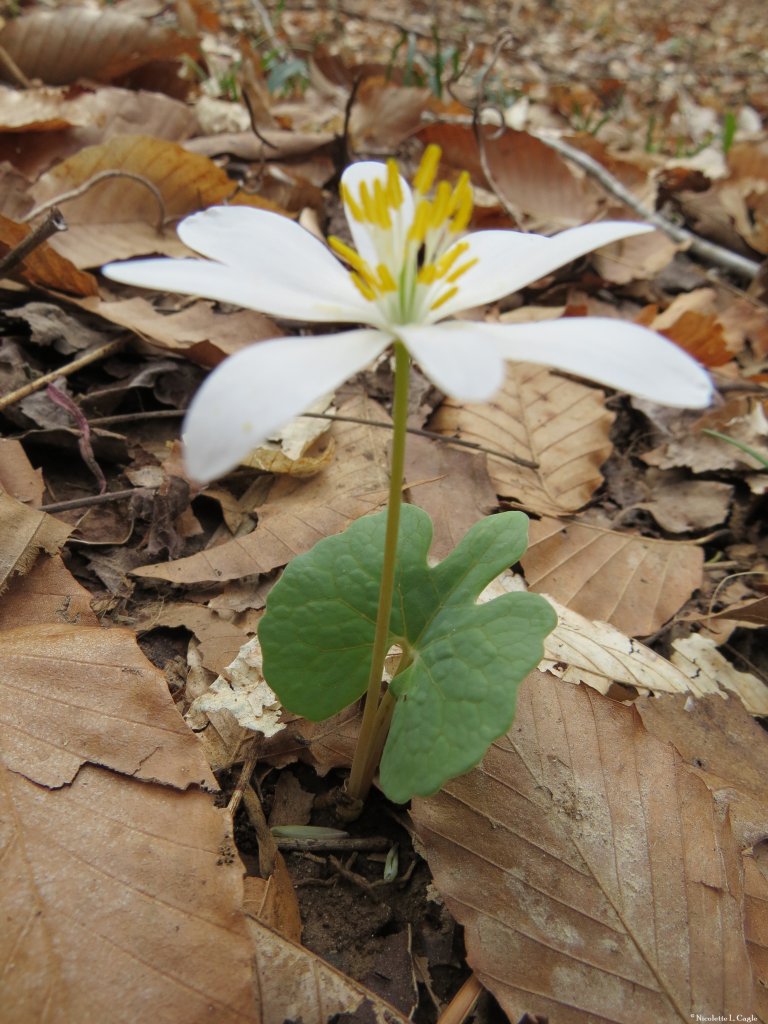
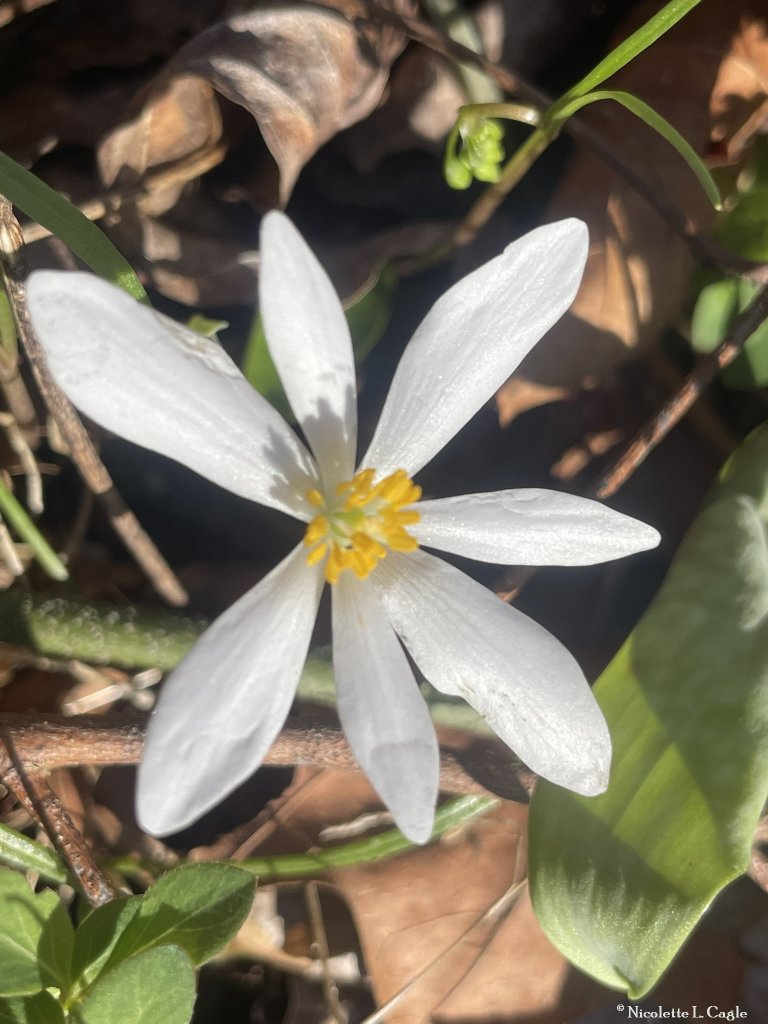
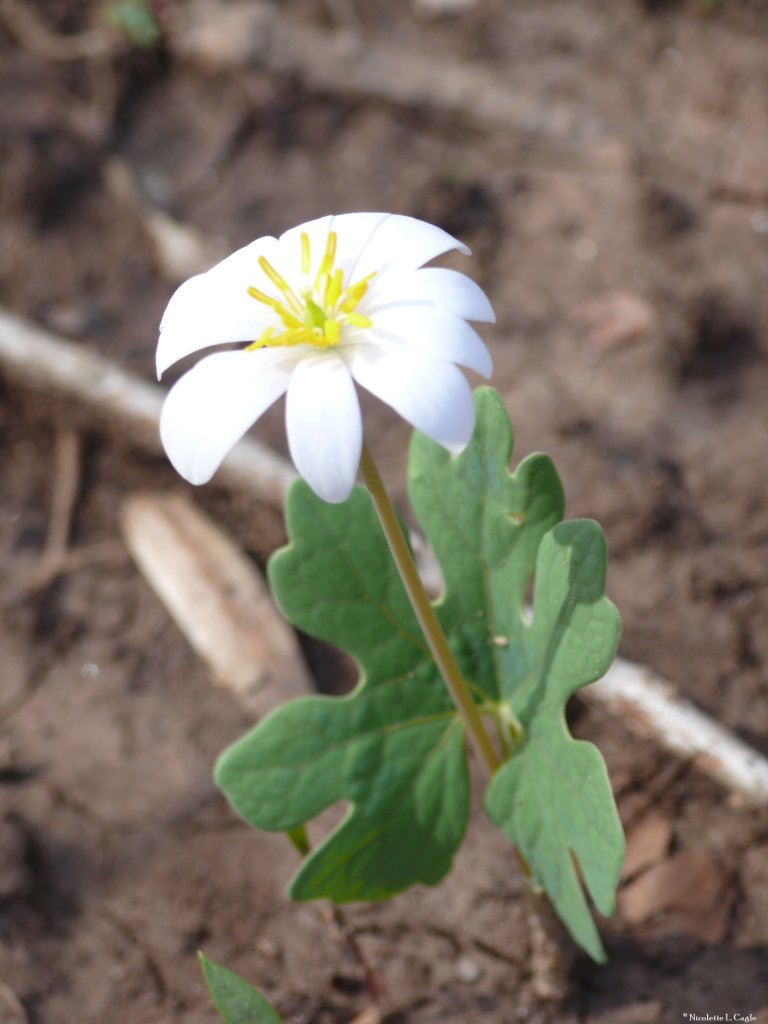
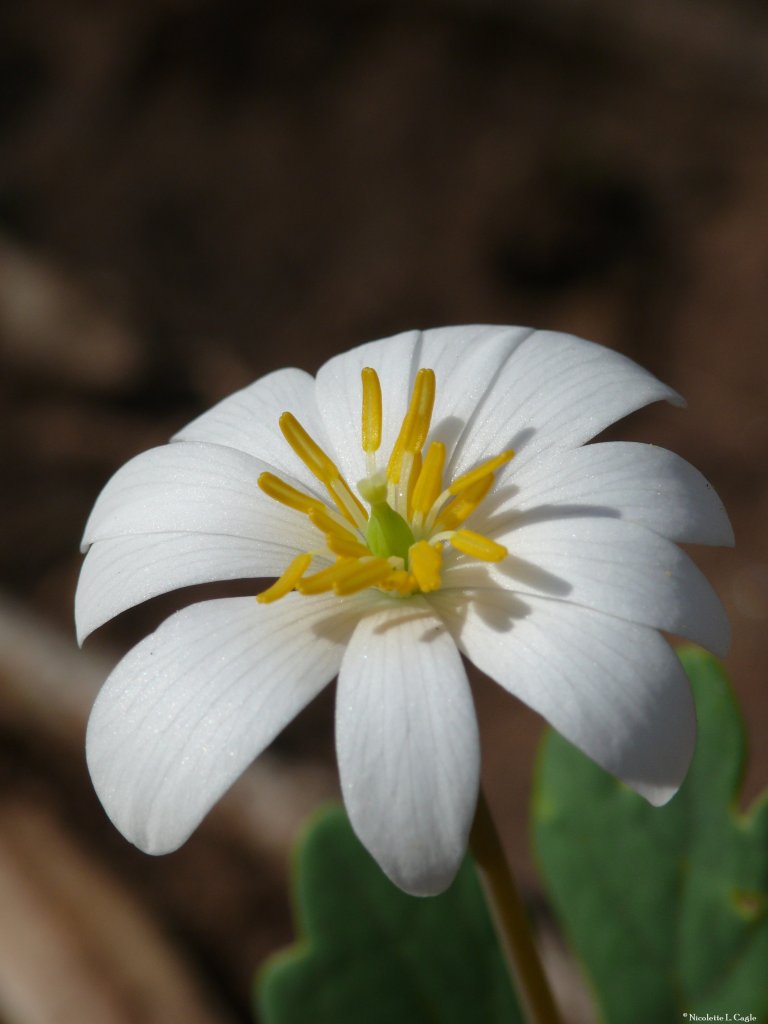
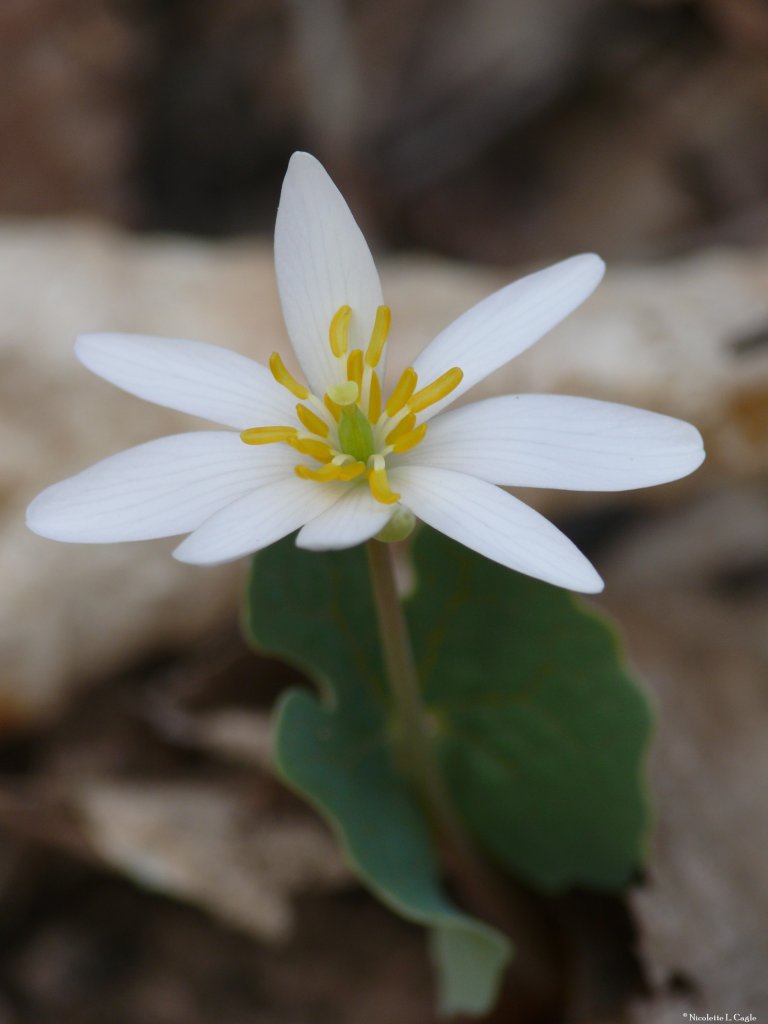
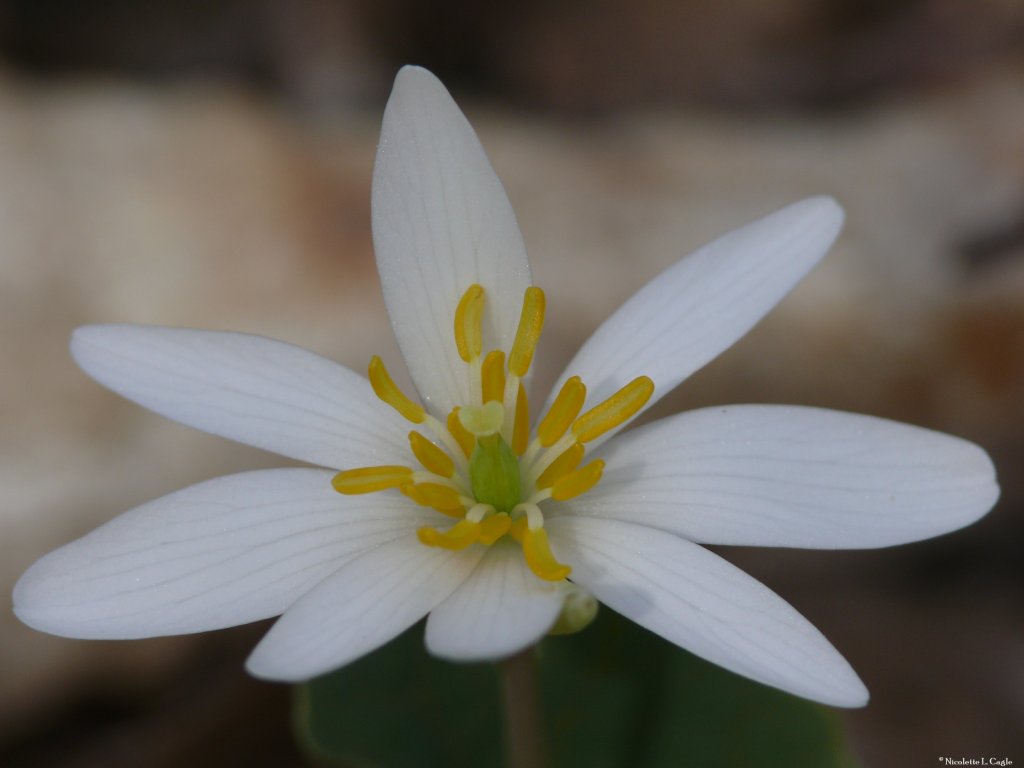
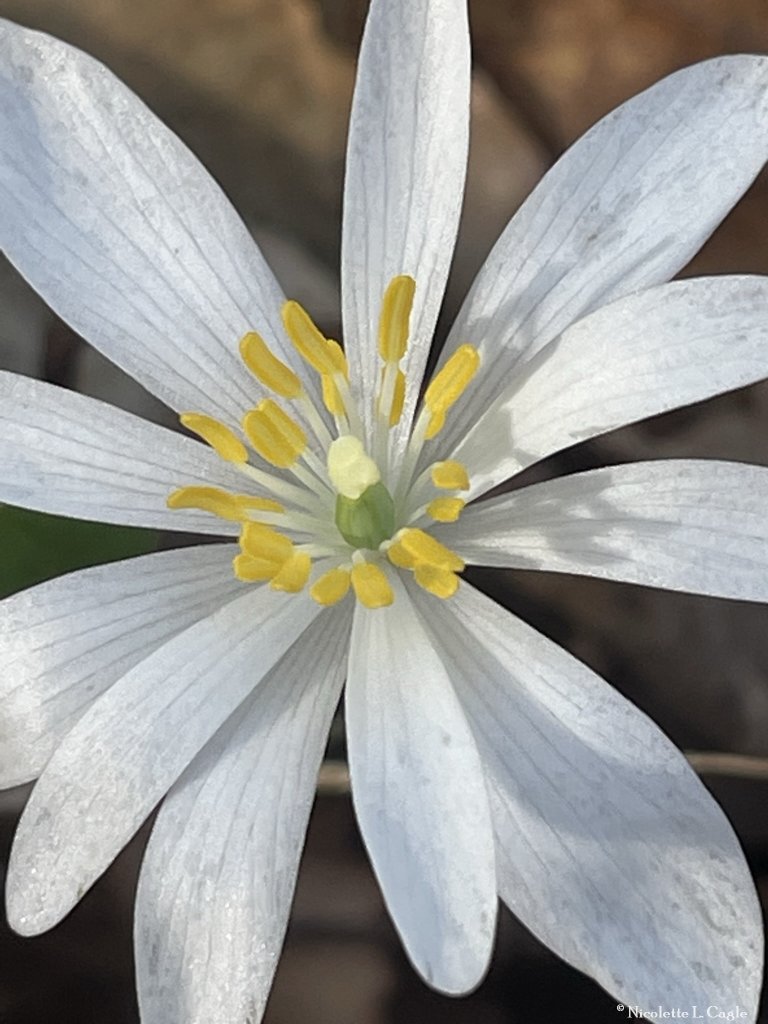
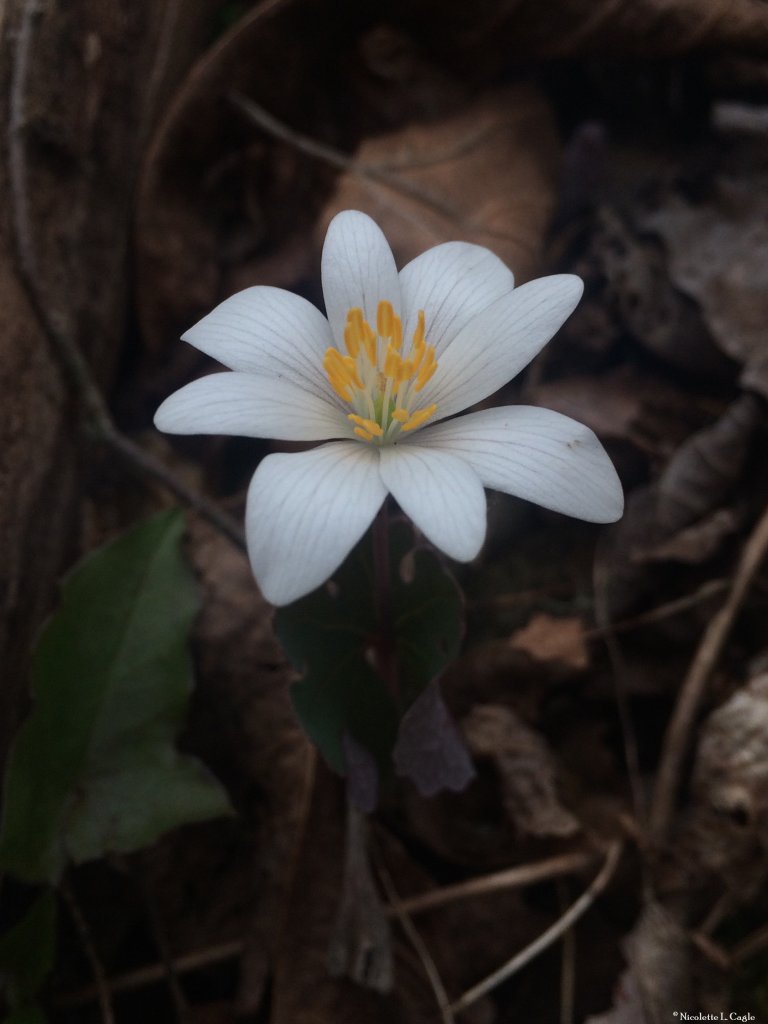
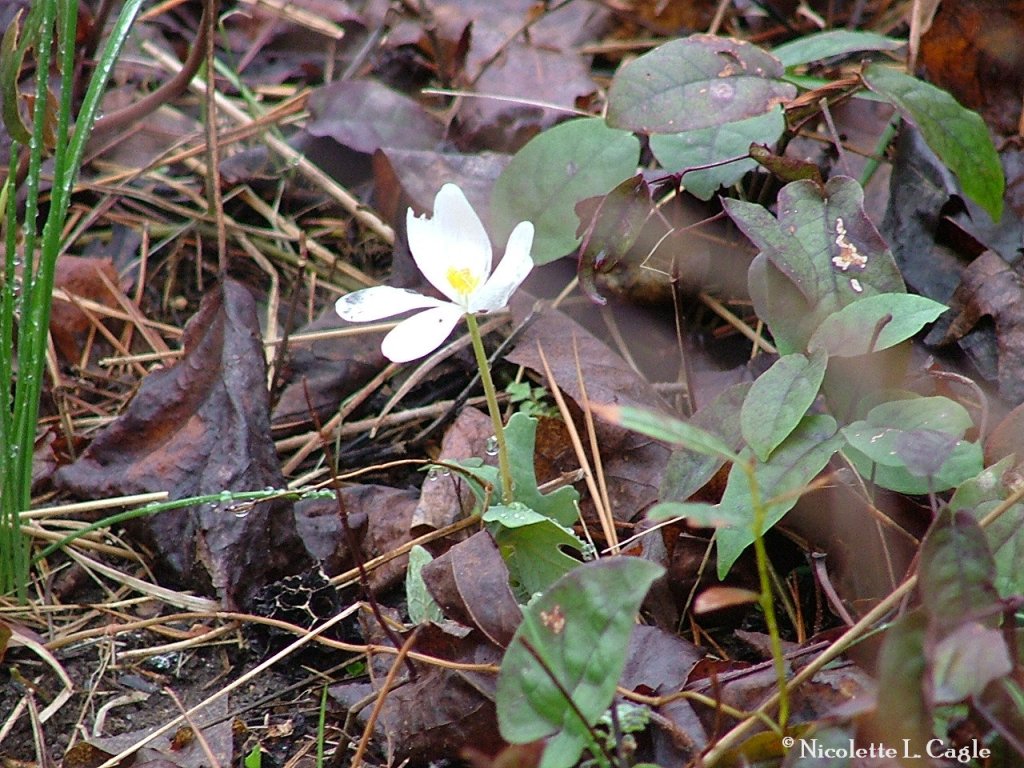
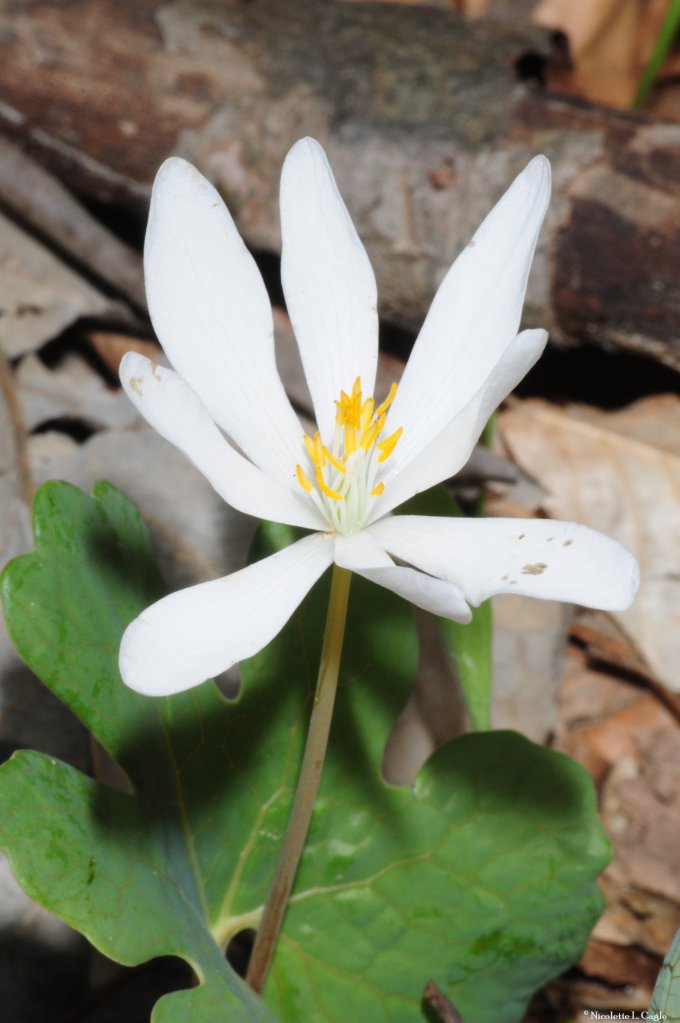
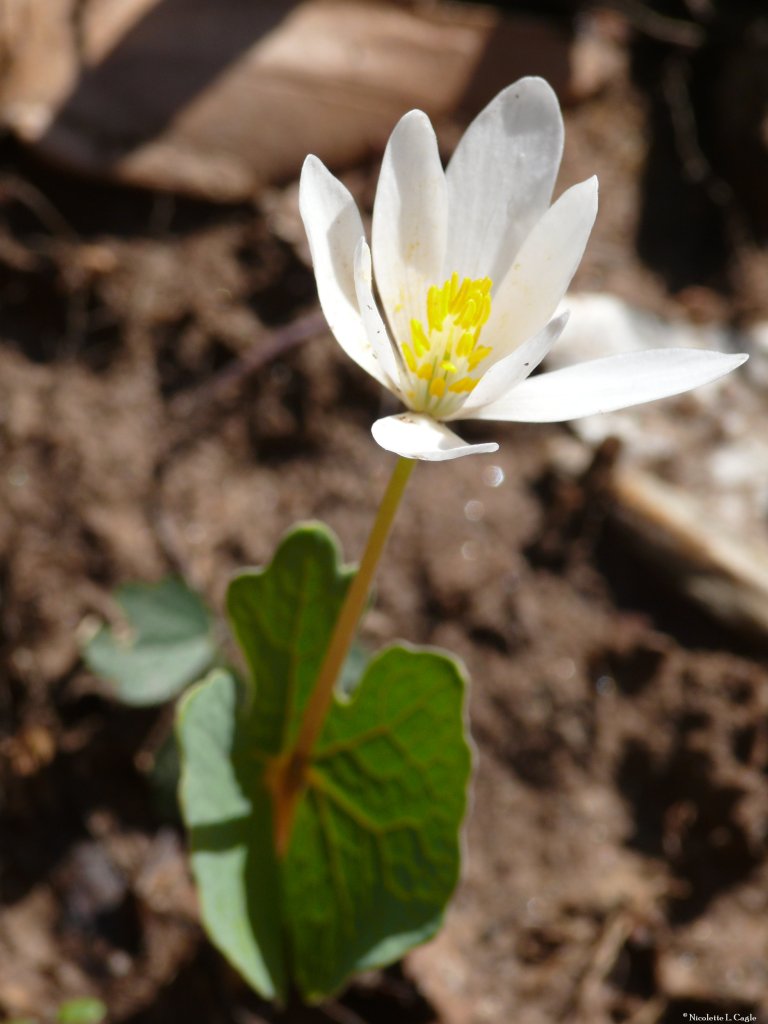
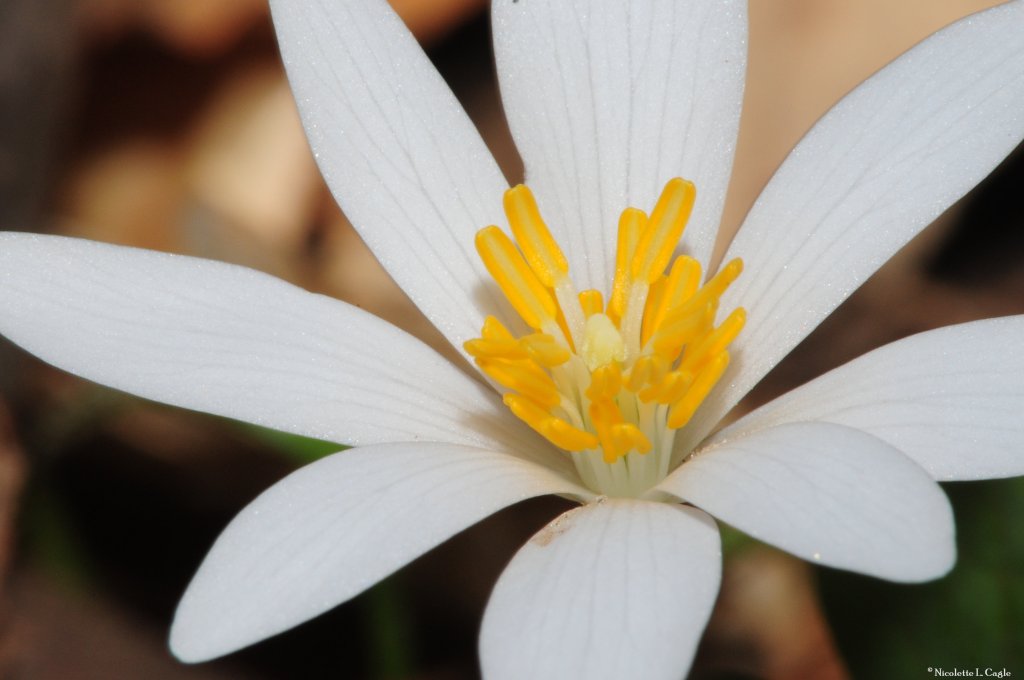
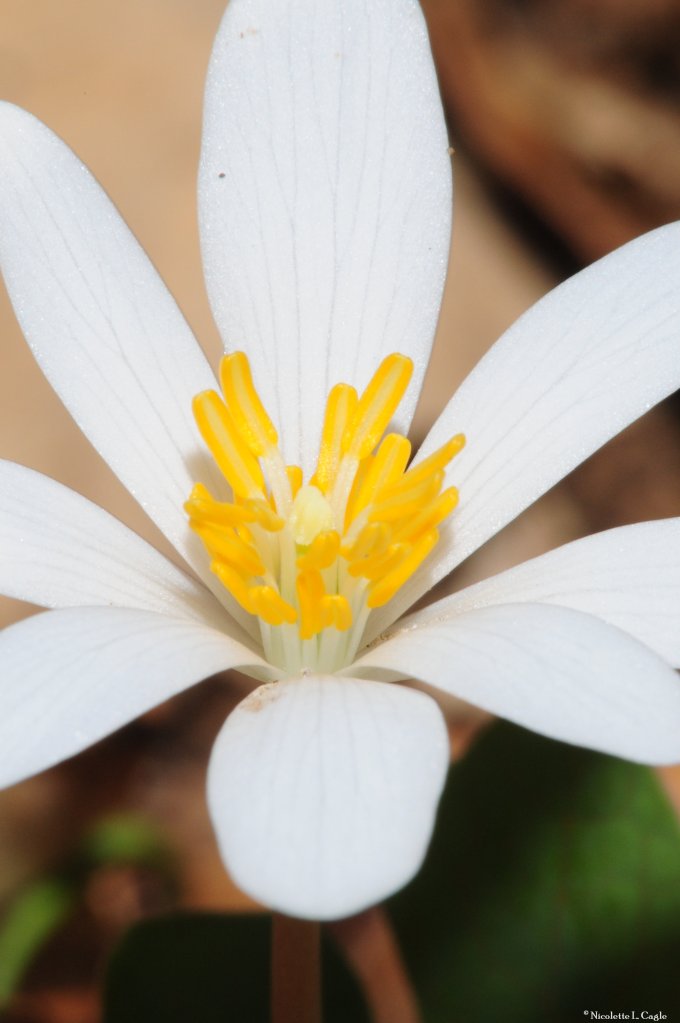
11Mar2025 Durham NC Penny’s Bend bloodroot11Mar2025 Durham NC Penny’s Bend bloodroot11Mar2025 Durham NC Penny’s Bend bloodroot 11Mar2025 Durham NC Penny’s Bend bloodroot 11Mar2025 Durham NC Penny’s Bend bloodroot 11Mar2025 Durham NC Penny’s Bend bloodroot 11Mar2025 Durham NC Penny’s Bend bloodroot 11Mar2025 Durham NC Penny’s Bend bloodroot 11Mar2025 Durham NC Penny’s Bend bloodroot 13 Mar 2016 Raleigh NC Swift Creek Bluffs bloodroot13 Mar 2016 Raleigh NC Swift Creek Bluffs bloodroot13 Mar 2016 Raleigh NC Swift Creek Bluffs bloodroot17Mar2025 Durham NC Pump Station bloodroot (Sanguinaria canadensis)18 Mar 2015 Durham NC Duke Gardens bloodroot21 Mar 2010 Swift Creek Bluffs Cary NC bloodroot (Sanguinaria canadensis) (mwc) 21 Mar 2010 Swift Creek Bluffs Cary NC bloodroot (Sanguinaria canadensis) (mwc)21 Mar 2010 Swift Creek Bluffs Cary NC bloodroot (Sanguinaria canadensis) (mwc) 21 Mar 2010 Swift Creek Bluffs Cary NC bloodroot (Sanguinaria canadensis) (mwc)26Feb2023 Bloodroot10Mar2018 BloodrootMar 16 2009 NCBG Sanguinaria canadensis bloodrootMar 22 2009 Cary NC Swift Creek bluffs bloodroot Sanguinaria canadensis Mar 22 2009 Cary NC Swift Creek Bluffs bloodroot Sanguinaria canadensis Mar 22 2009 Cary NC Swift Creek bluffs bloodroot Sanguinaria canadensis Mar 22 2009 Cary NC Swift Creek bluffs bloodroot Sanguinaria canadensis
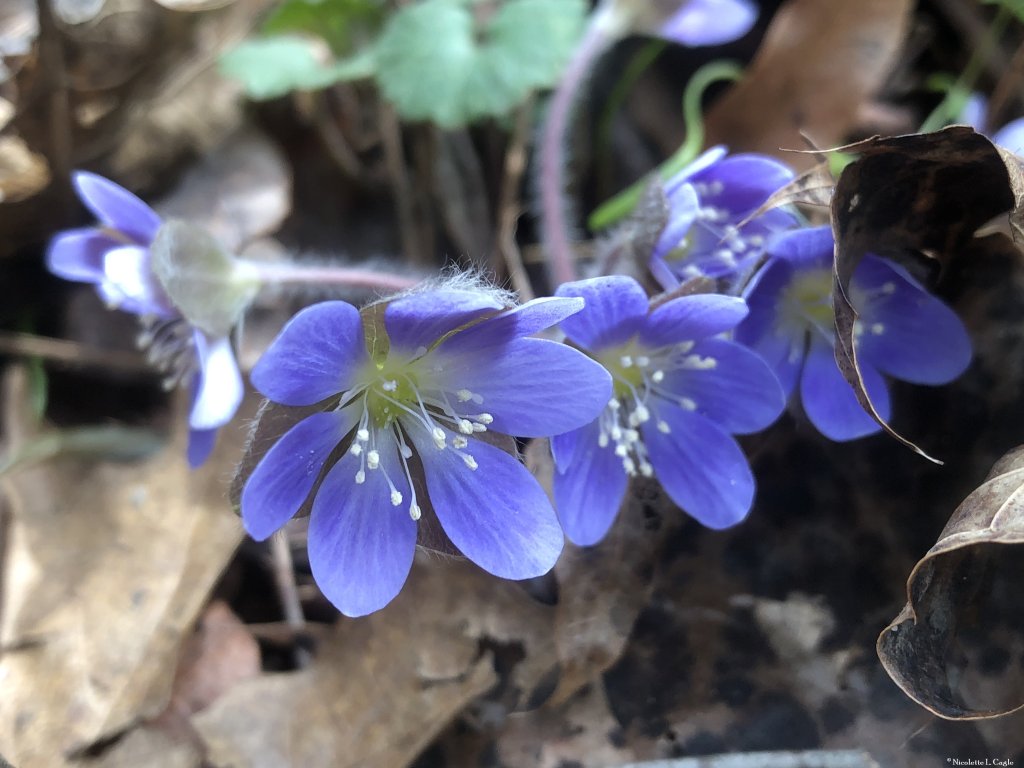
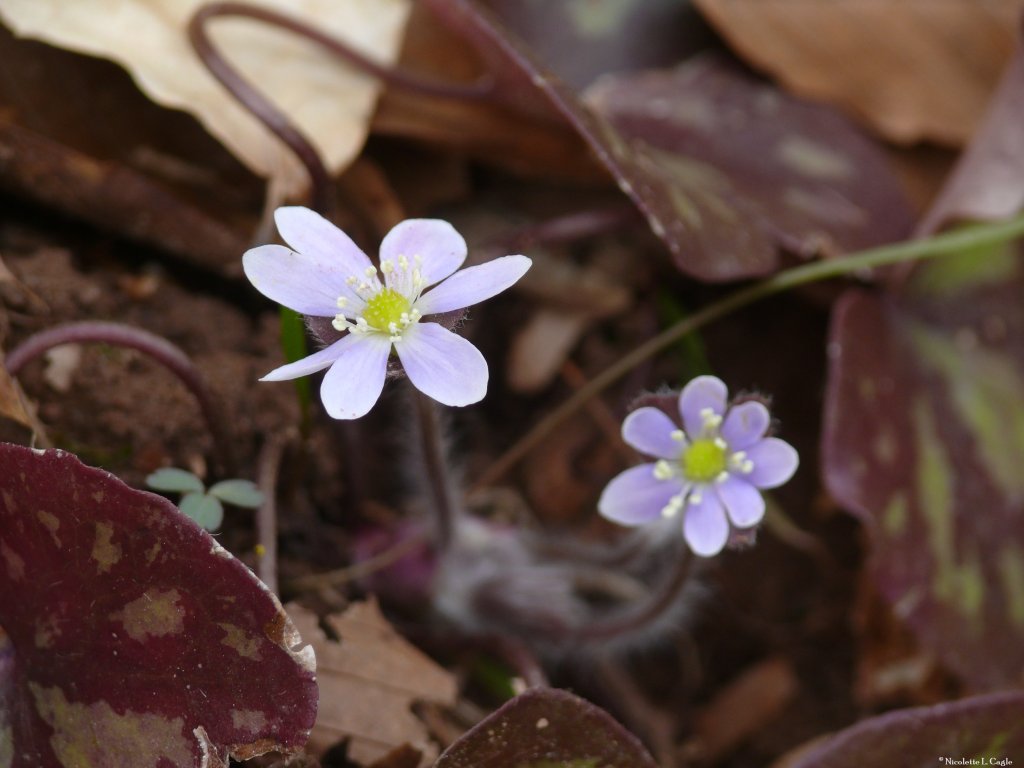
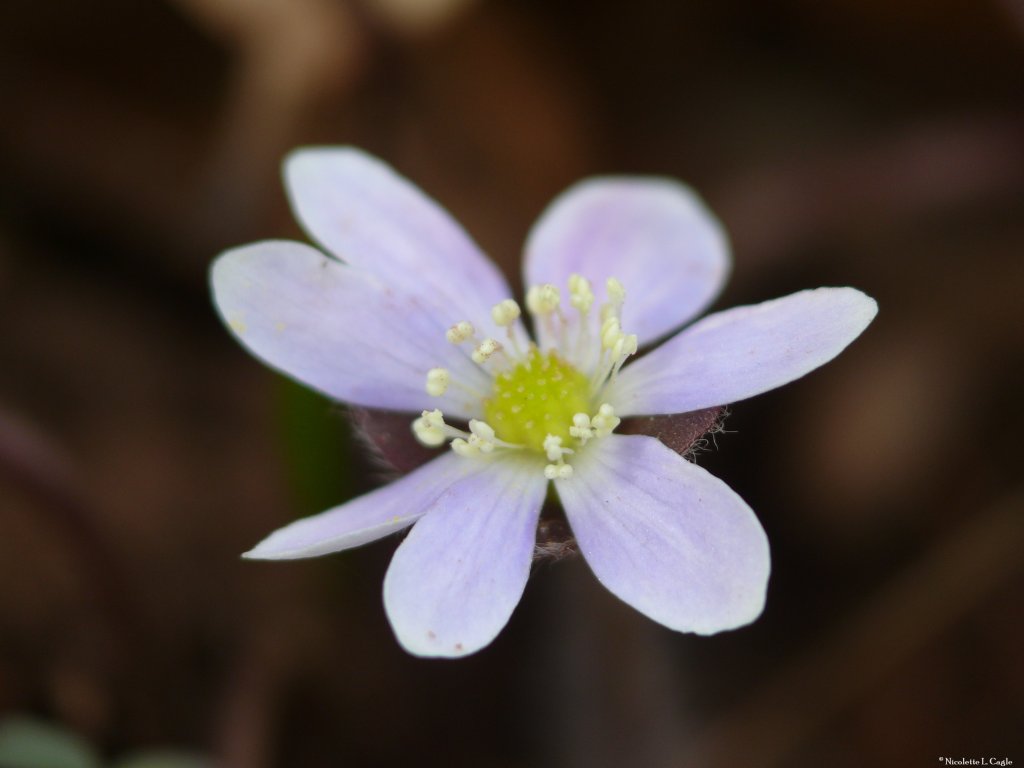
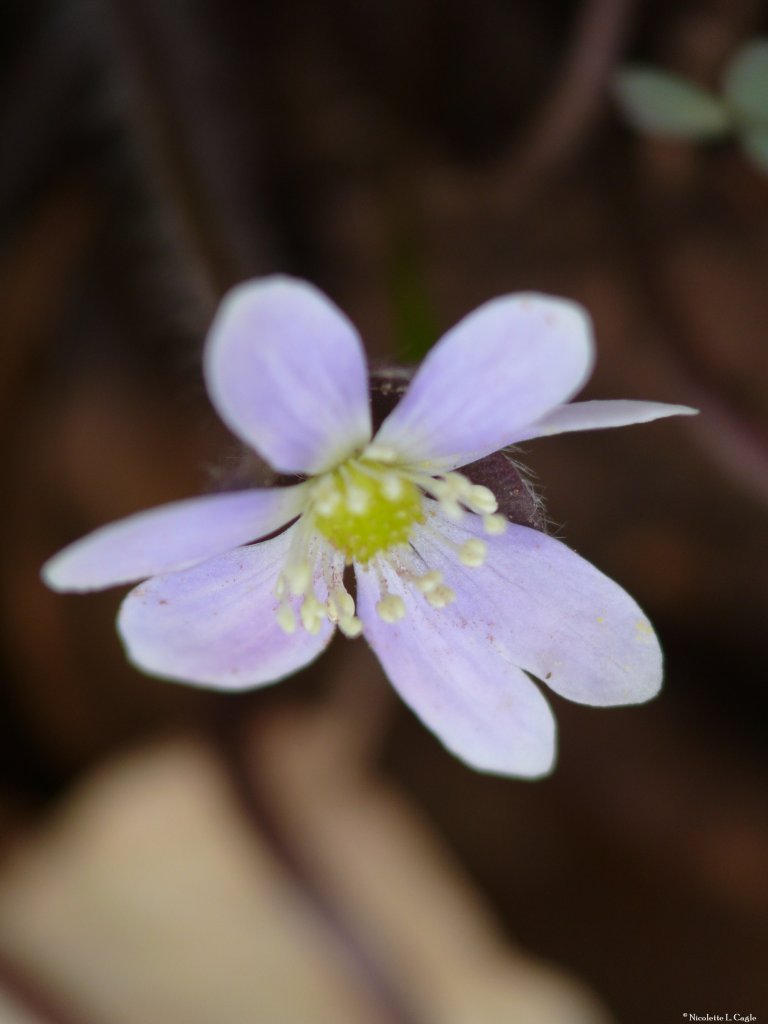
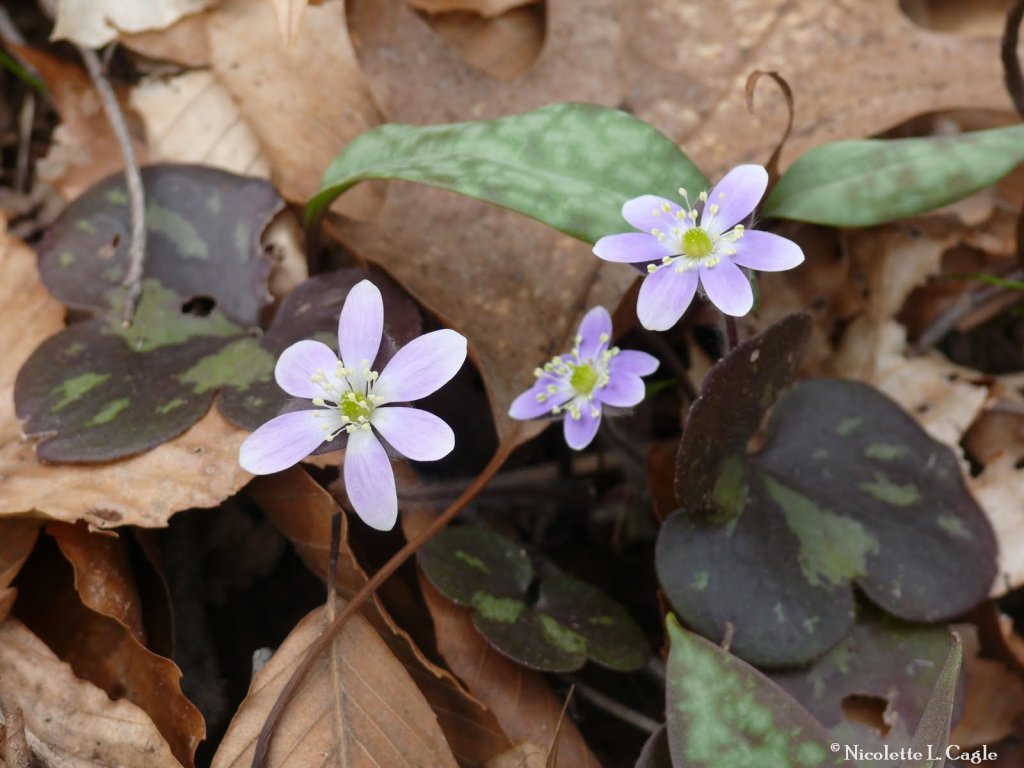
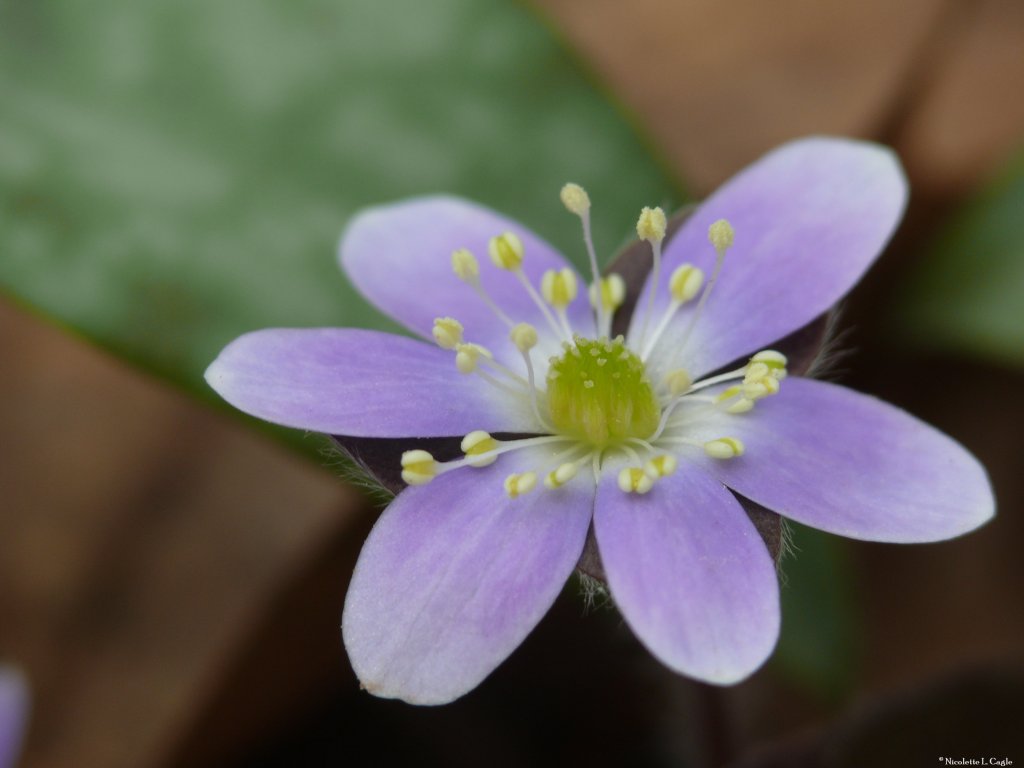
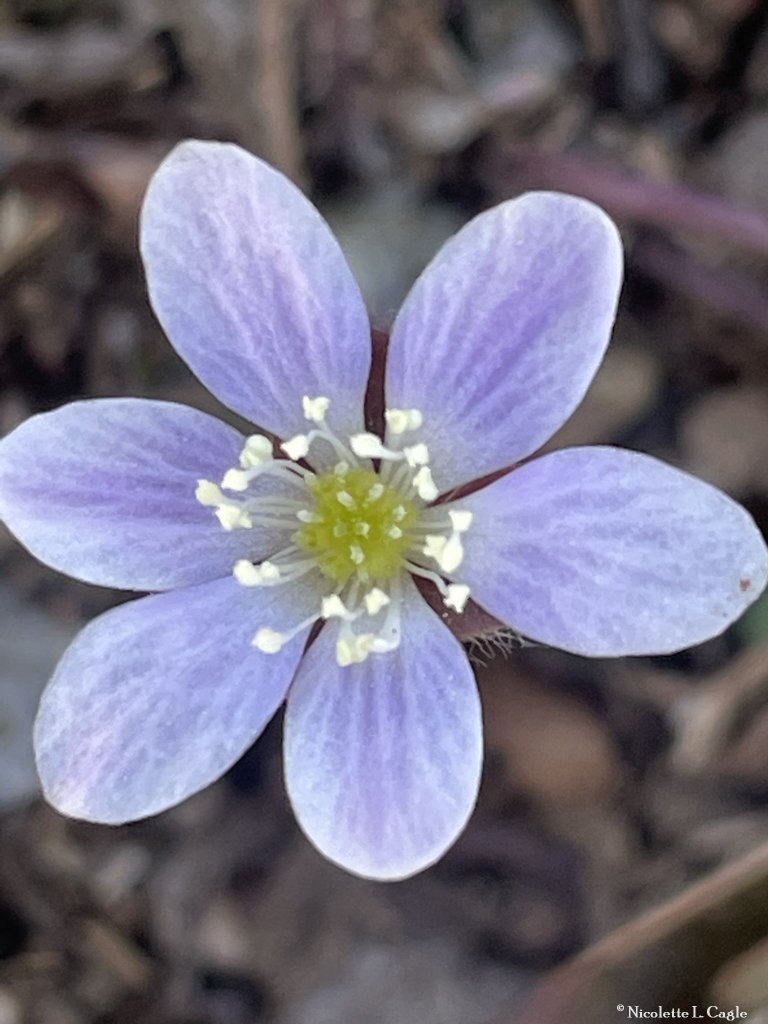
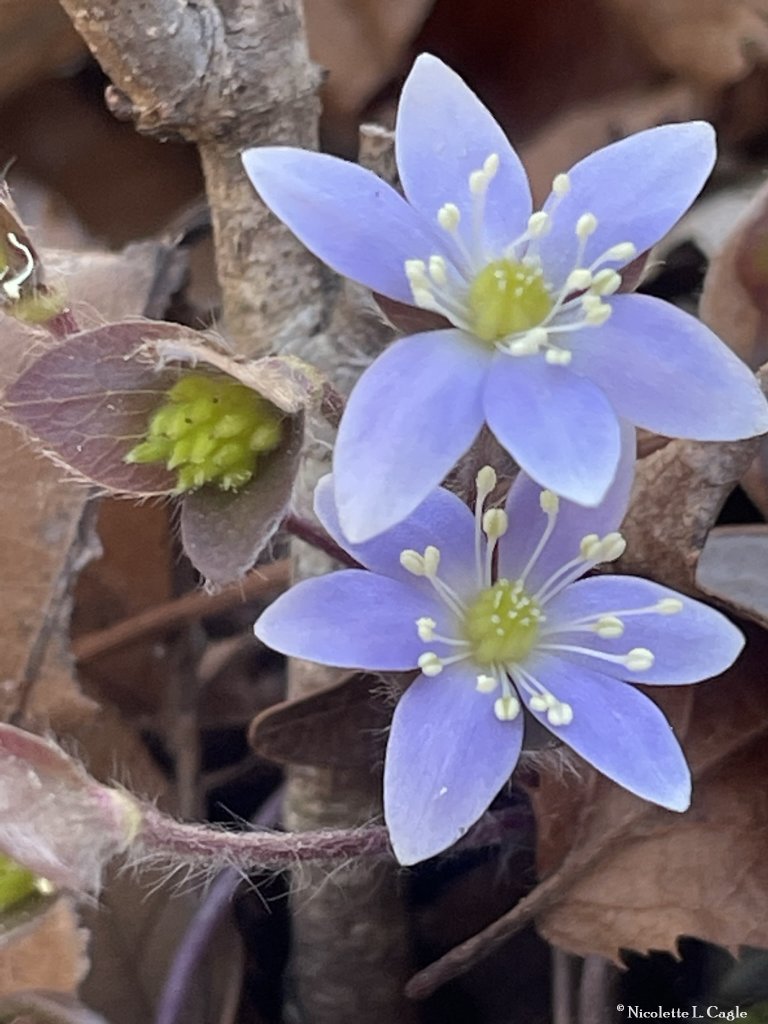
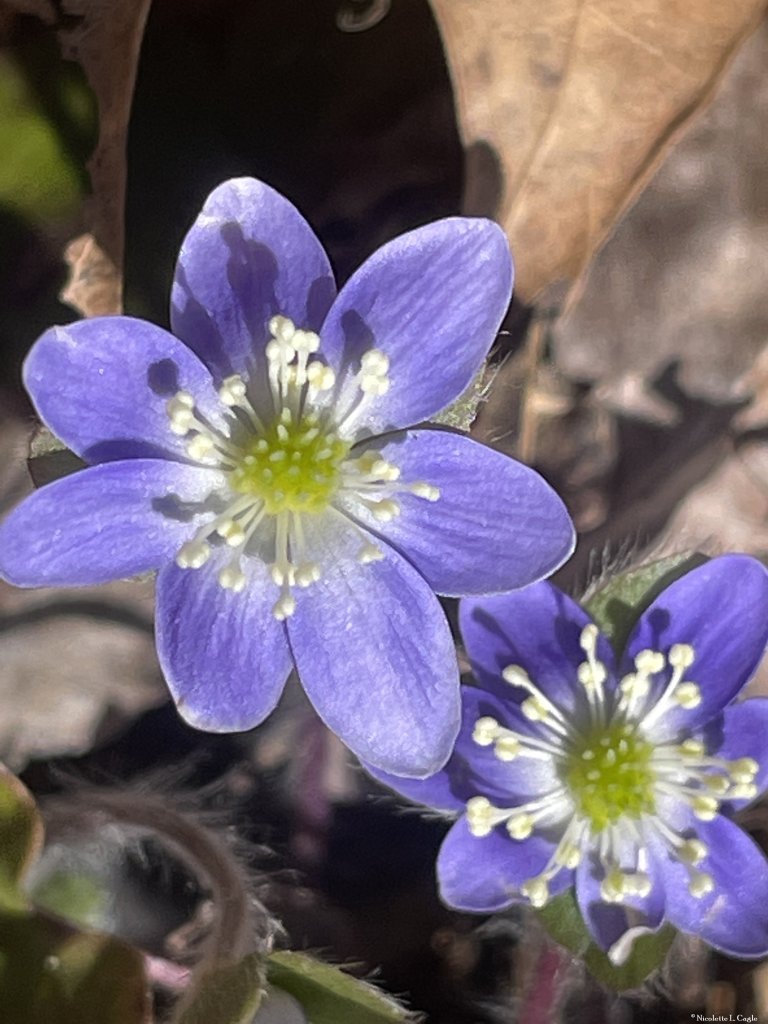
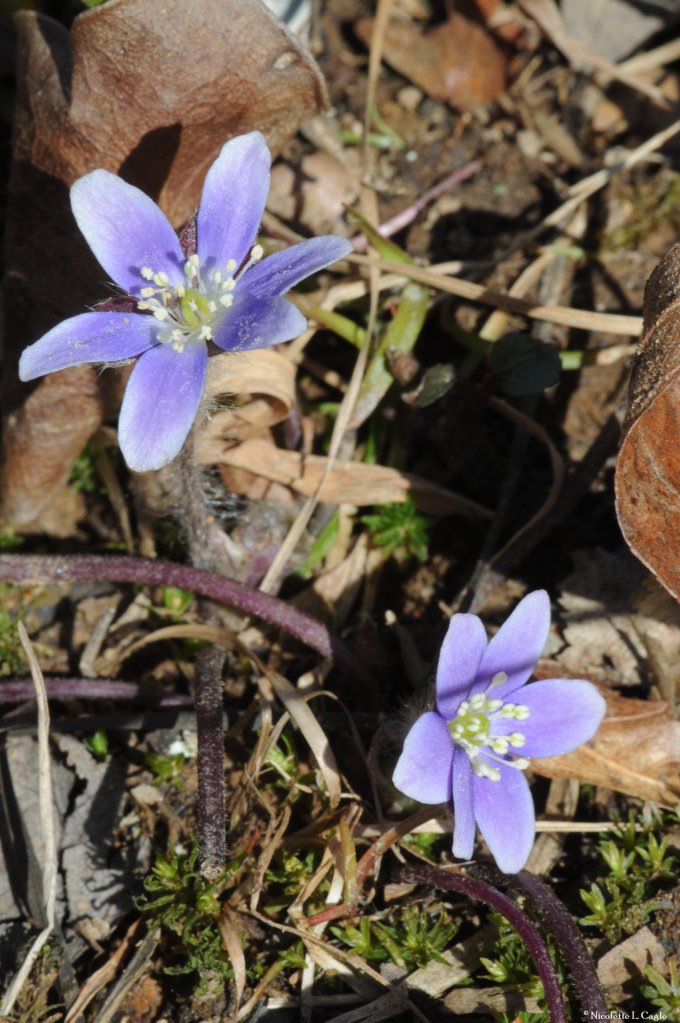
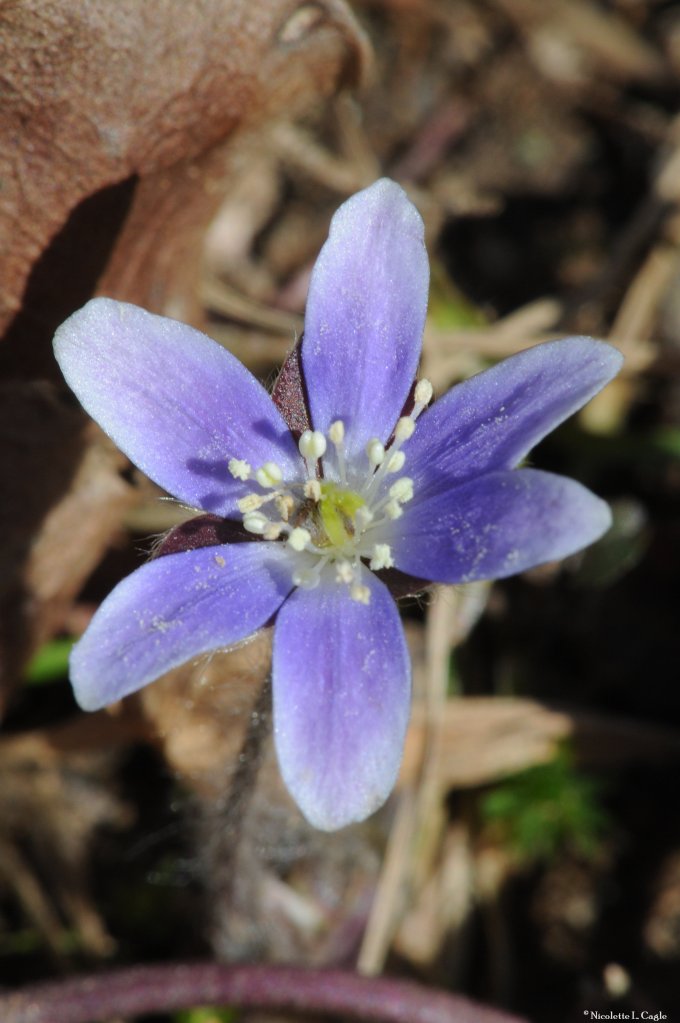
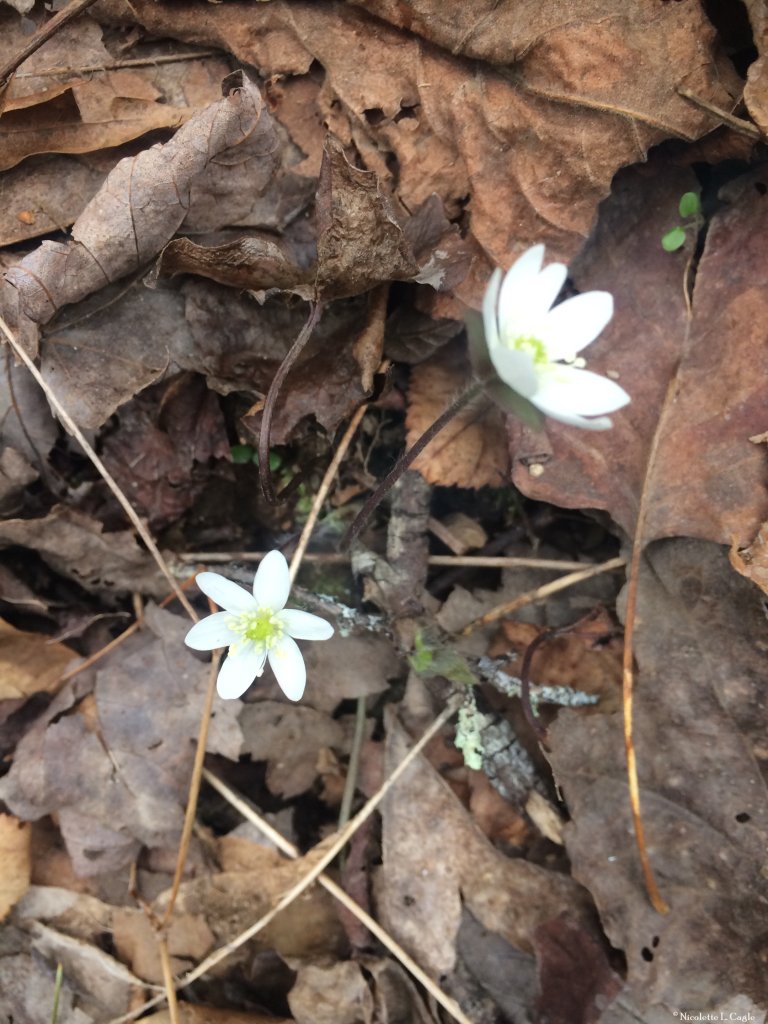
13 Mar 2016 Raleigh NC Swift Creek Bluffs round lobed hepatica 16Feb2020 Orange Co. NC Hollow Rock round lobed hepatica 21 Mar 2010 Swift Creek Bluffs Cary NC round-lobed hepatica (mwc) 21 Mar 2010 Swift Creek Bluffs Cary NC round-lobed hepatica (mwc)21 Mar 2010 Swift Creek Bluffs Cary NC round-lobed hepatica (mwc)21 Mar 2010 Swift Creek Bluffs Cary NC round-lobed hepatica (mwc)21 Mar 2010 Swift Creek Bluffs Cary NC round-lobed hepatica (mwc) 5Mar2023 Hepatca5Mar2023 Hepatca21Mar2021 HepatcaMar 8 2009 Durham NC Eno R SP Cox Mt round-lobed hepatica (Hepatica americana) Mar 8 2009 Durham NC Eno R SP Cox Mt round-lobed hepatica (Hepatica americana)
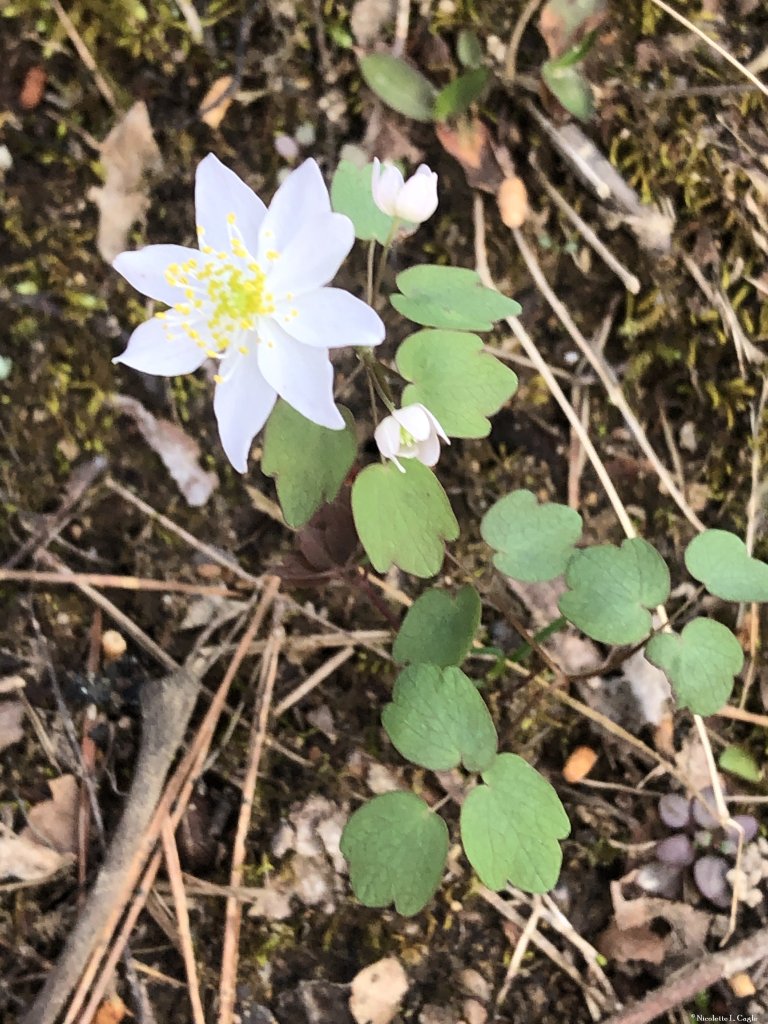
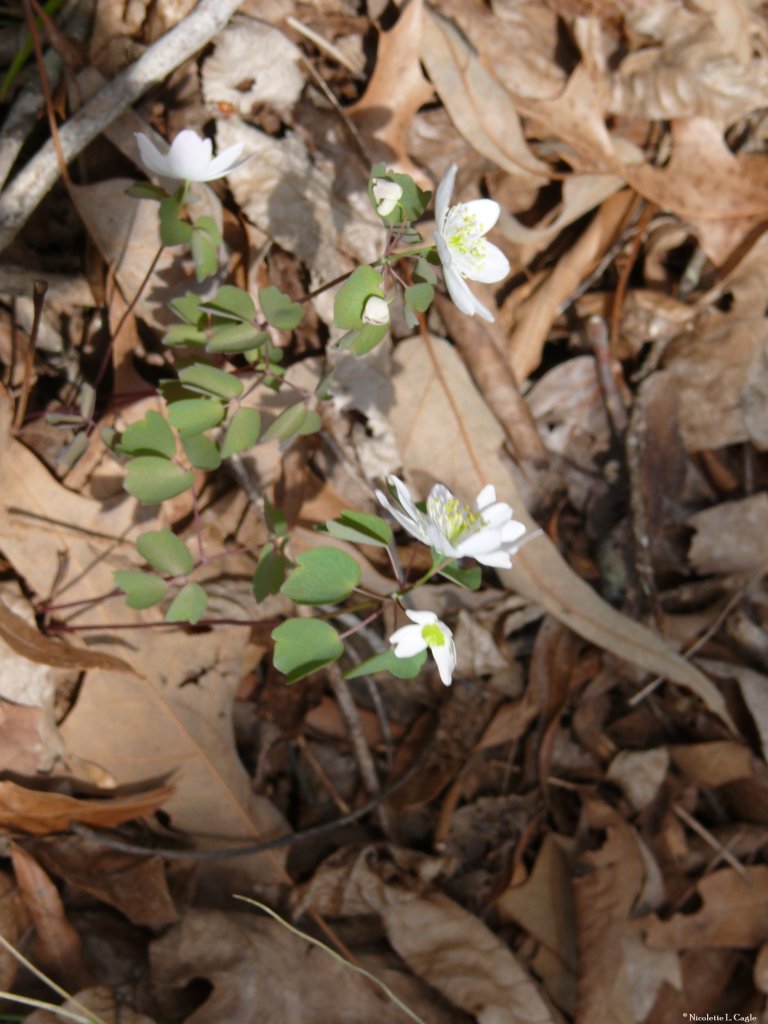
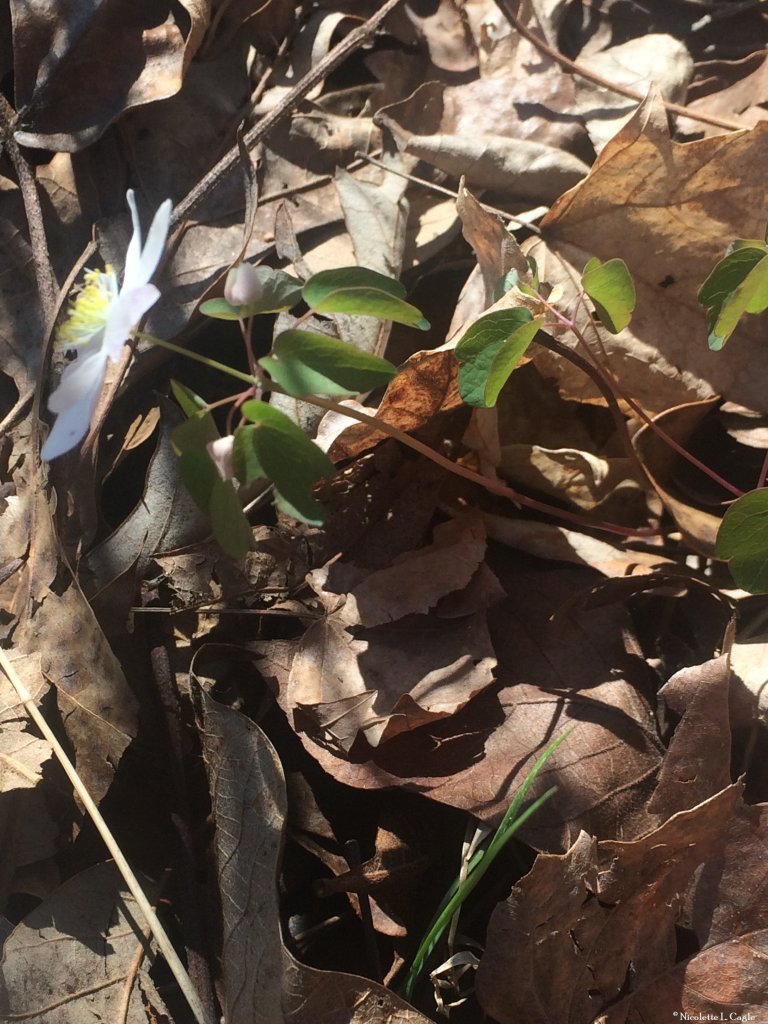
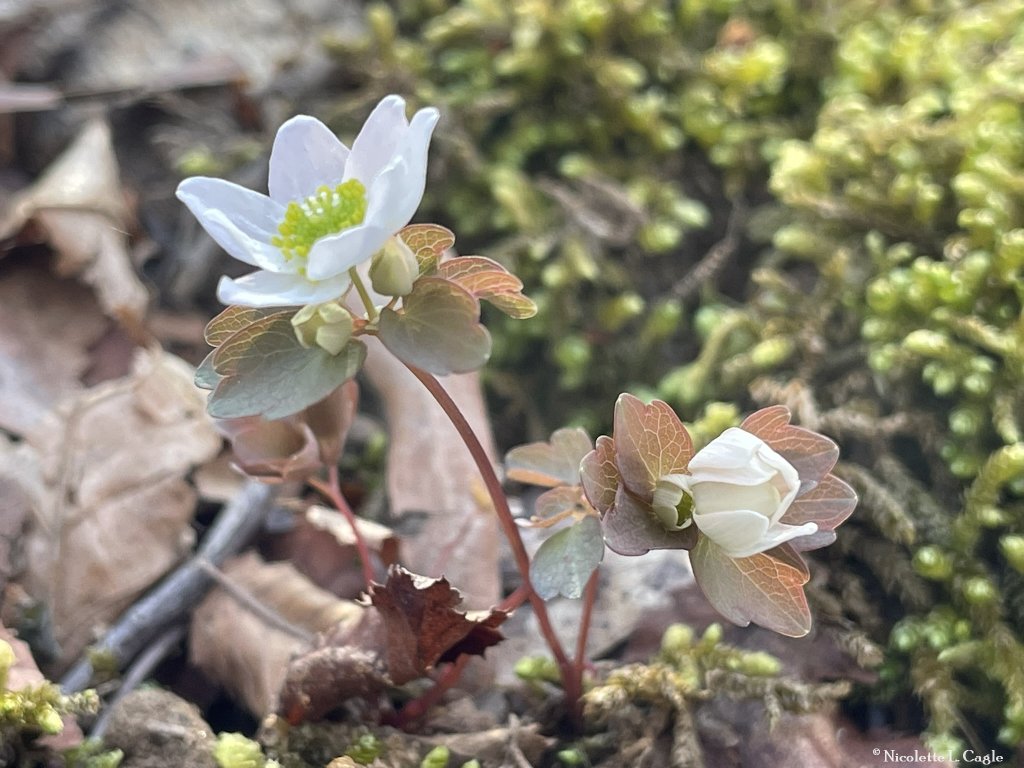
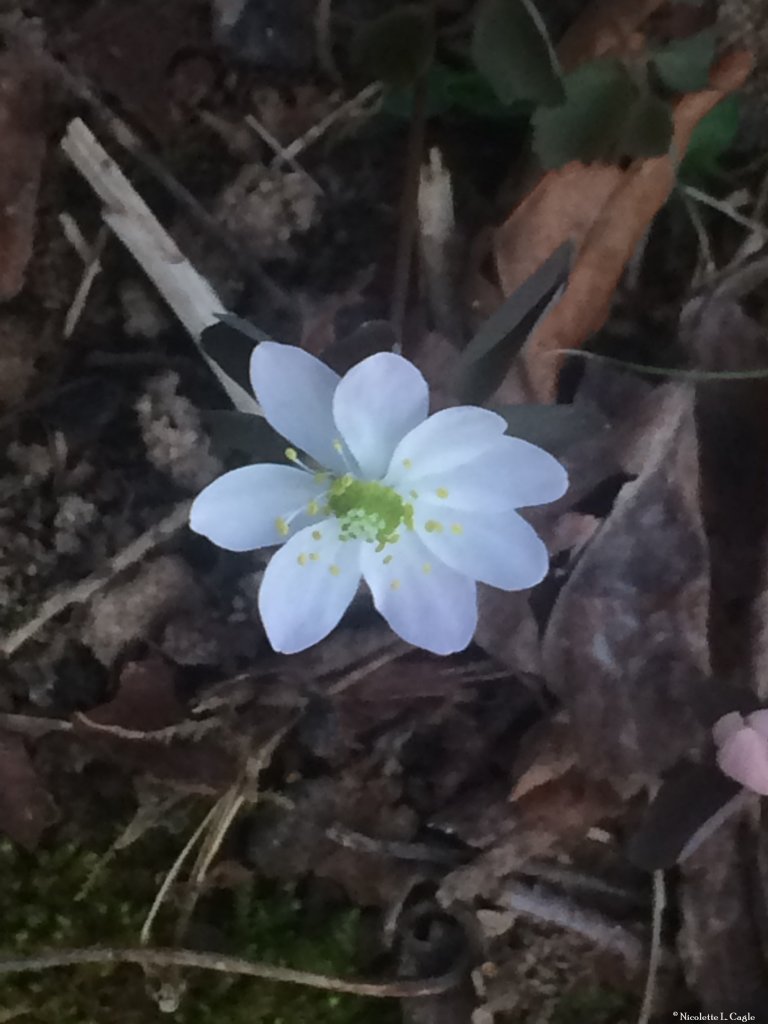
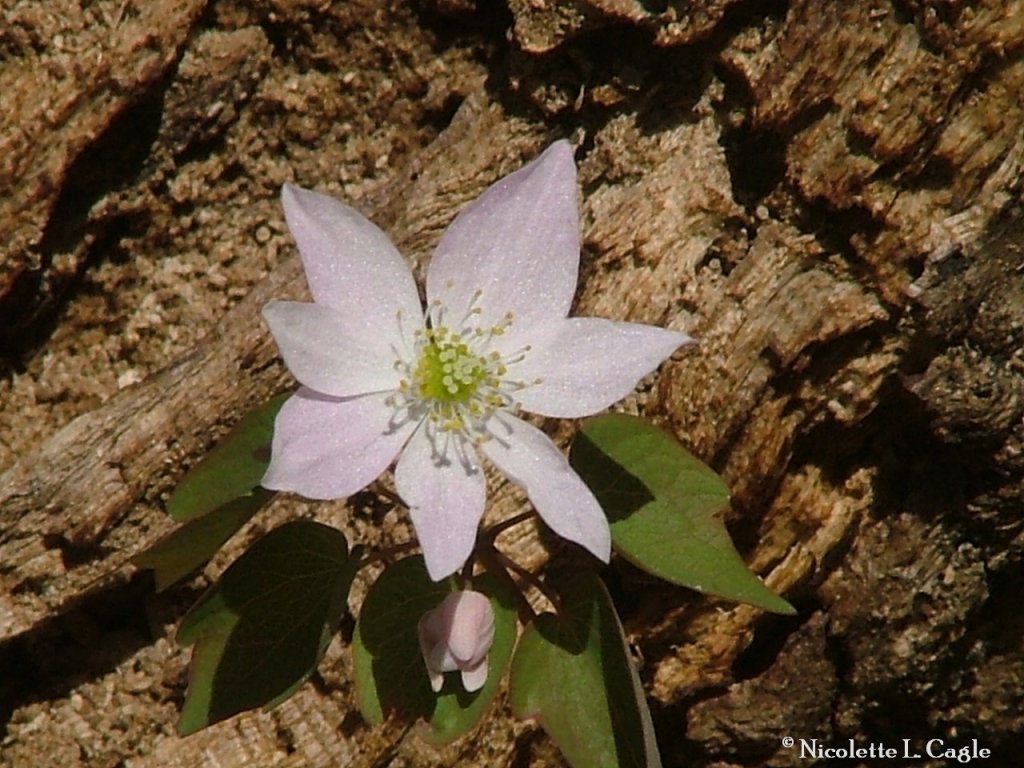
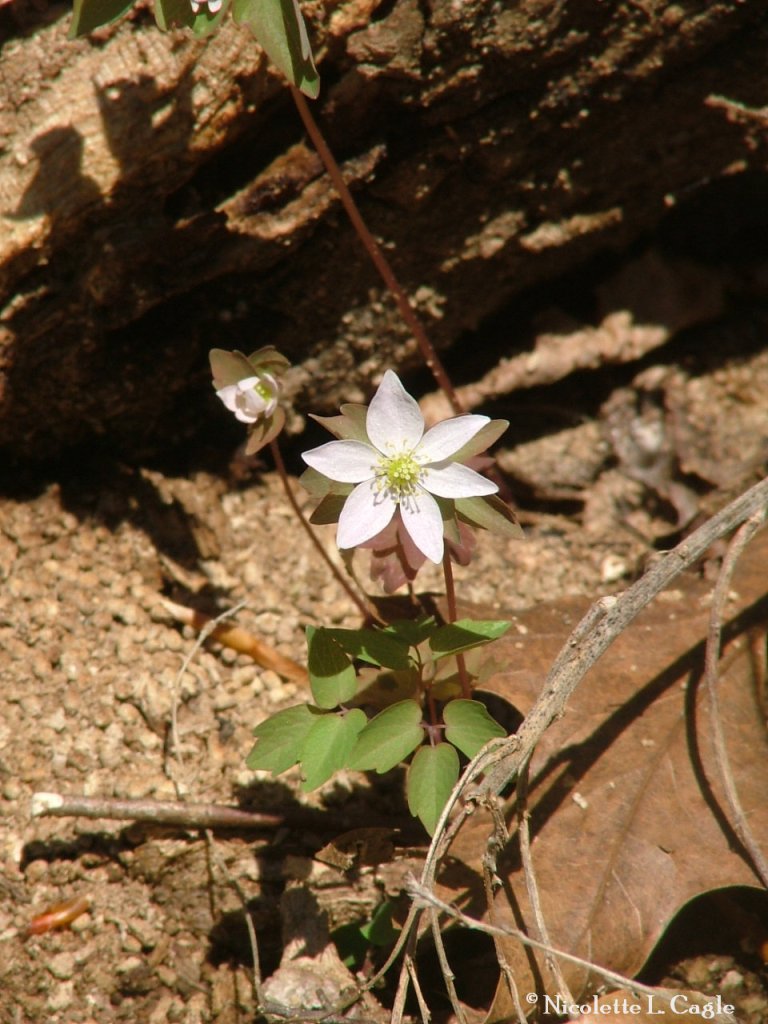
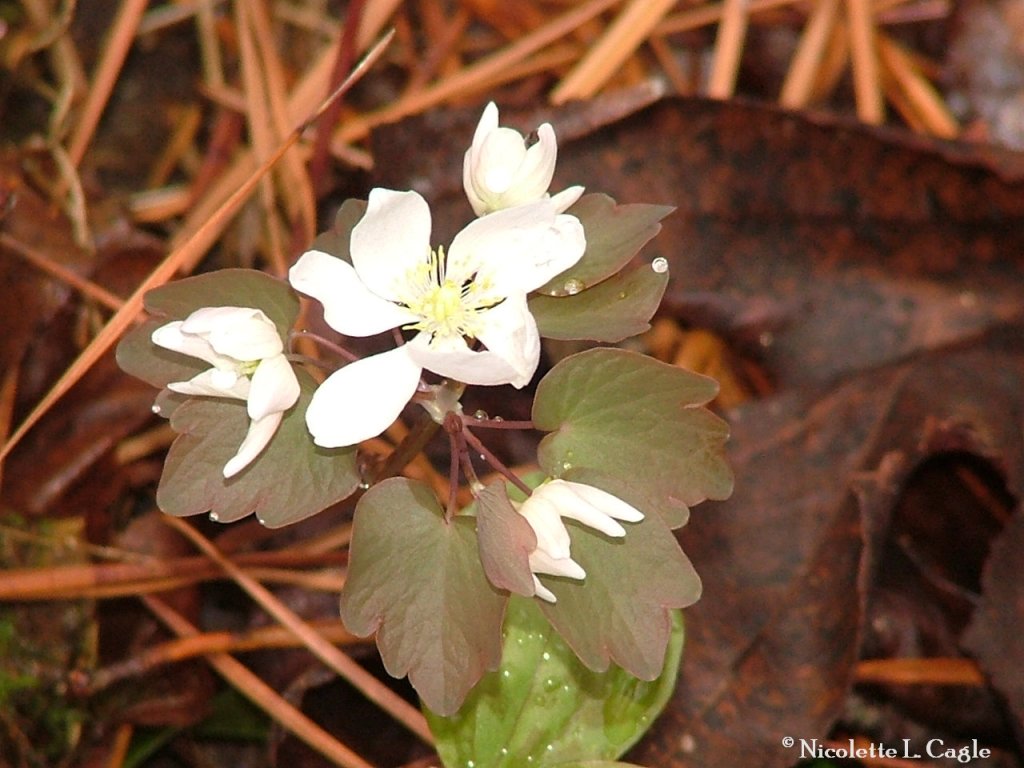
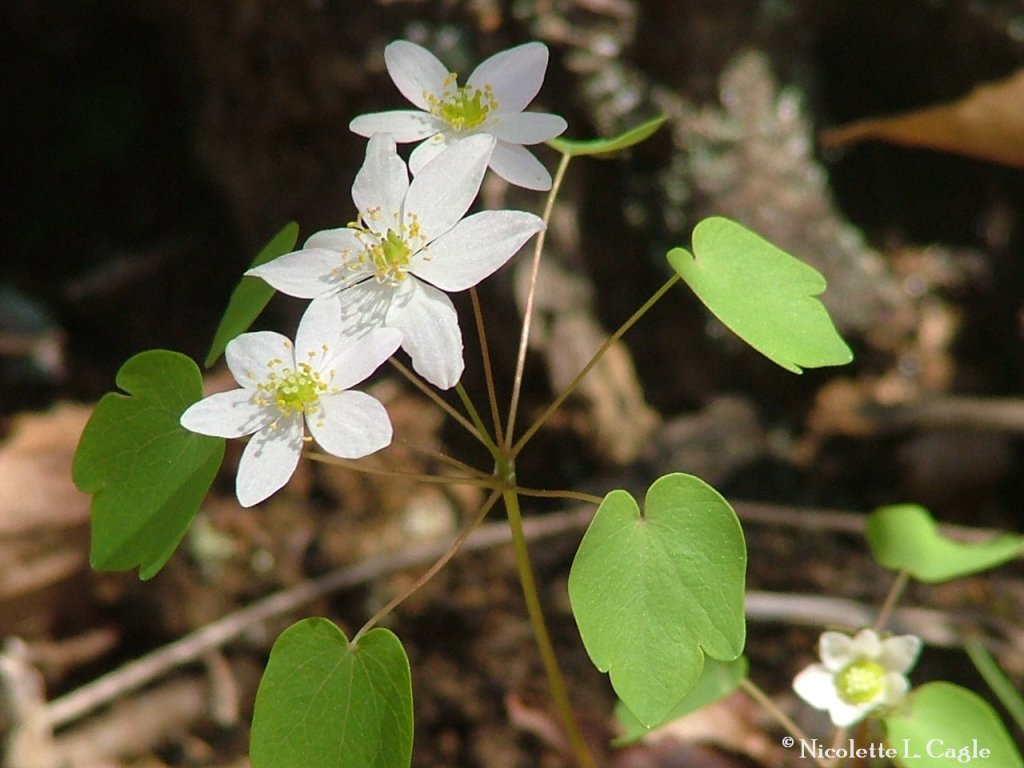
Rue Anemone (AKA Windflower, Thalictrum thalictroides, Anemonella thalictroides)
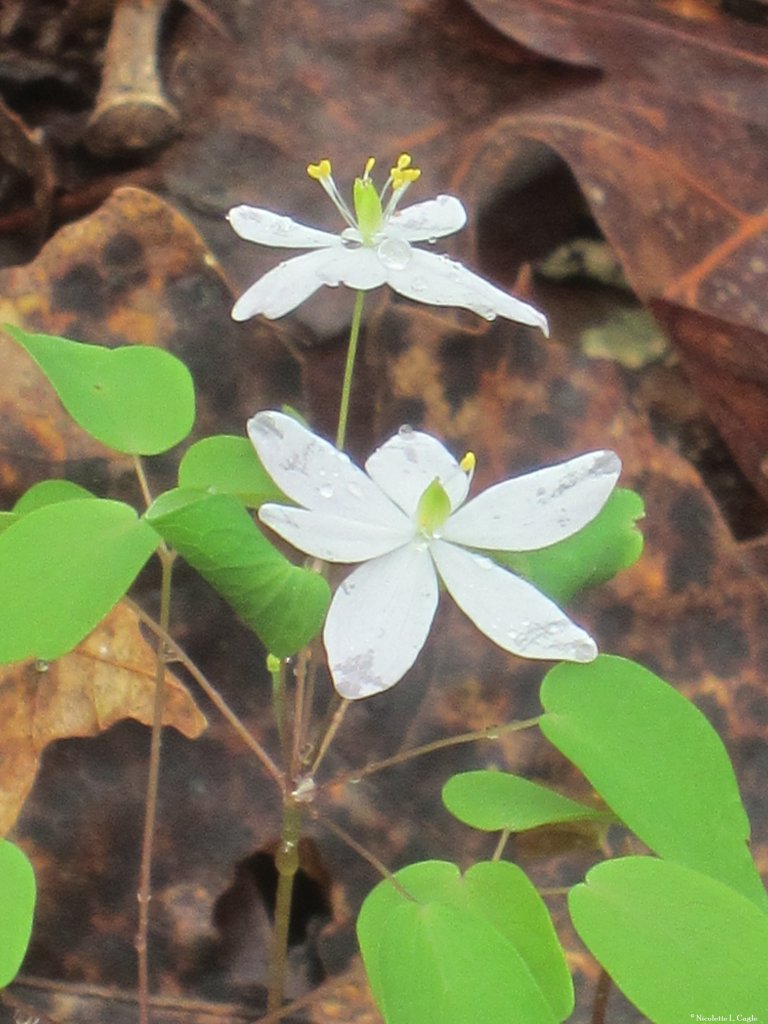
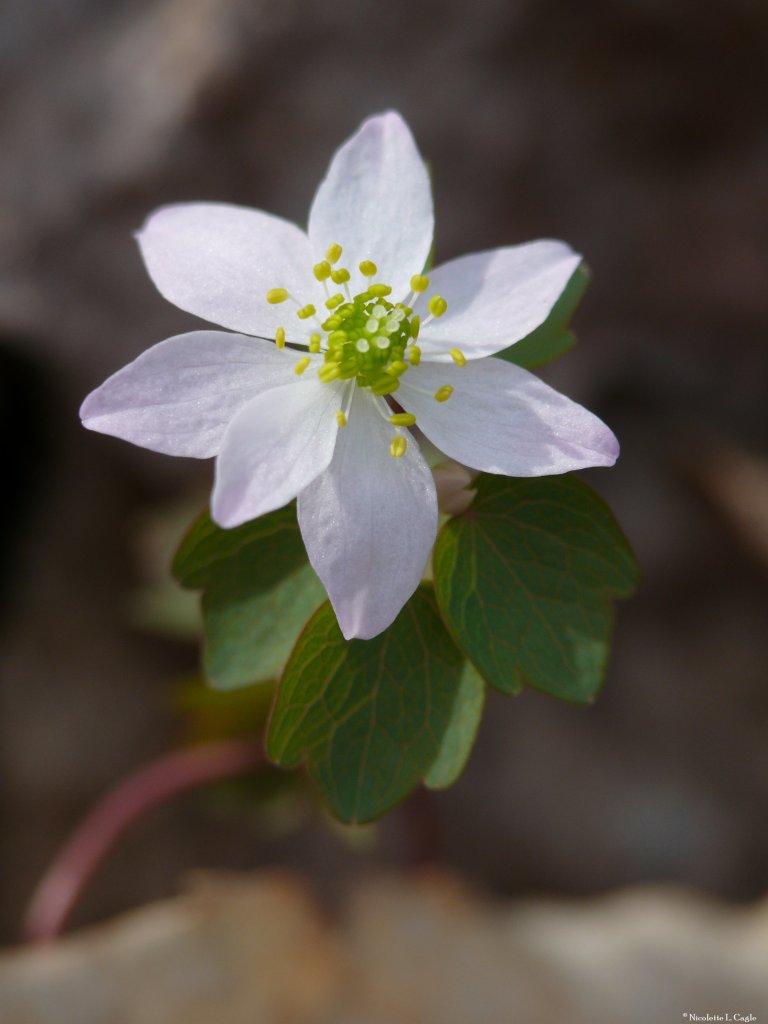
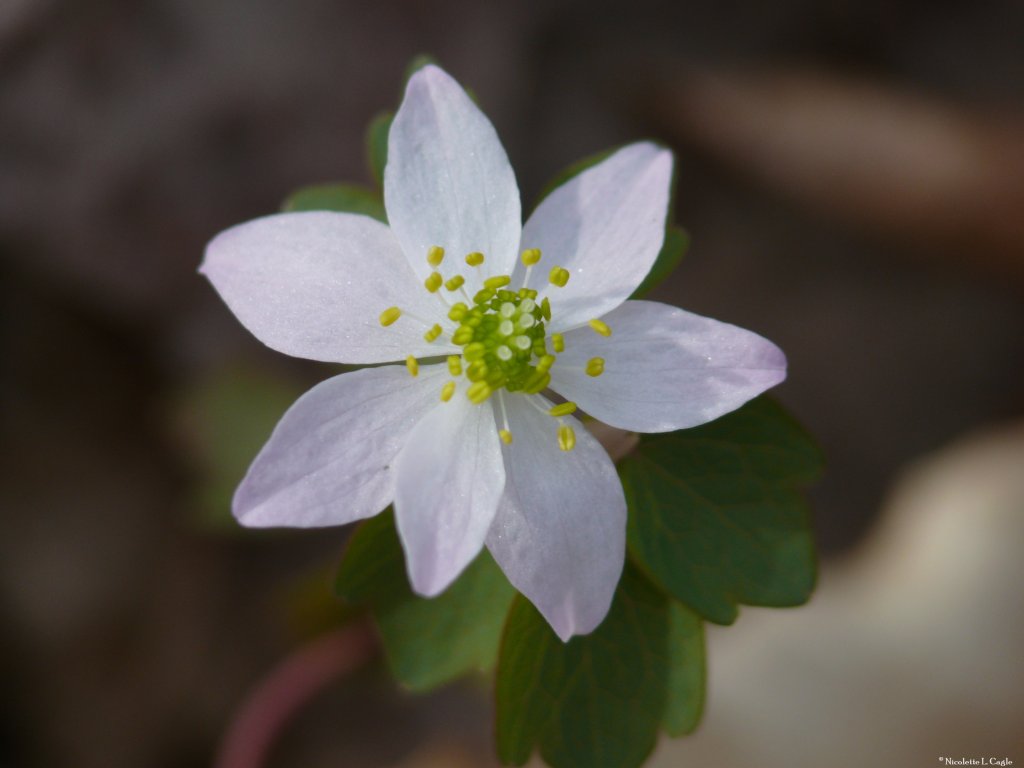
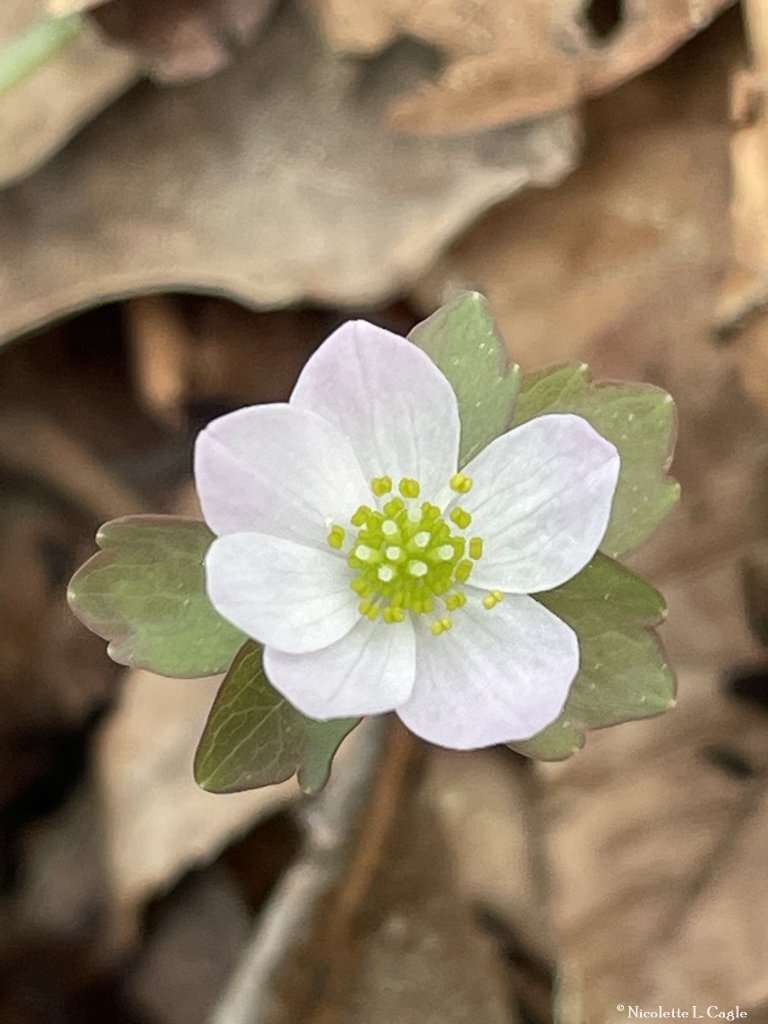
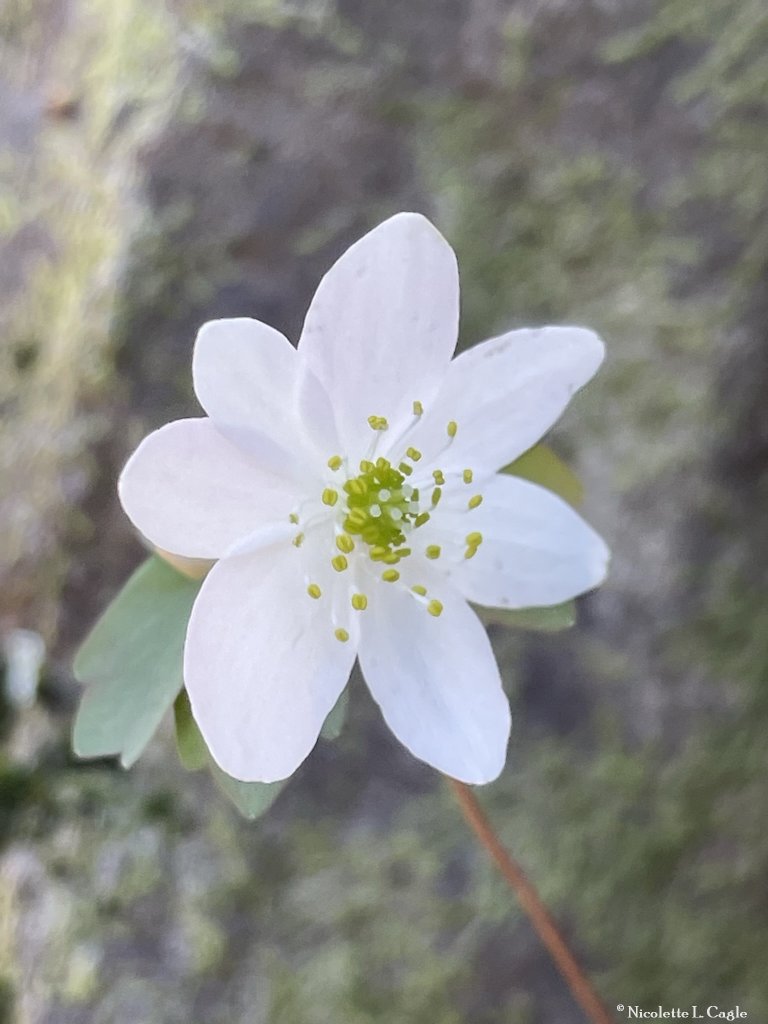
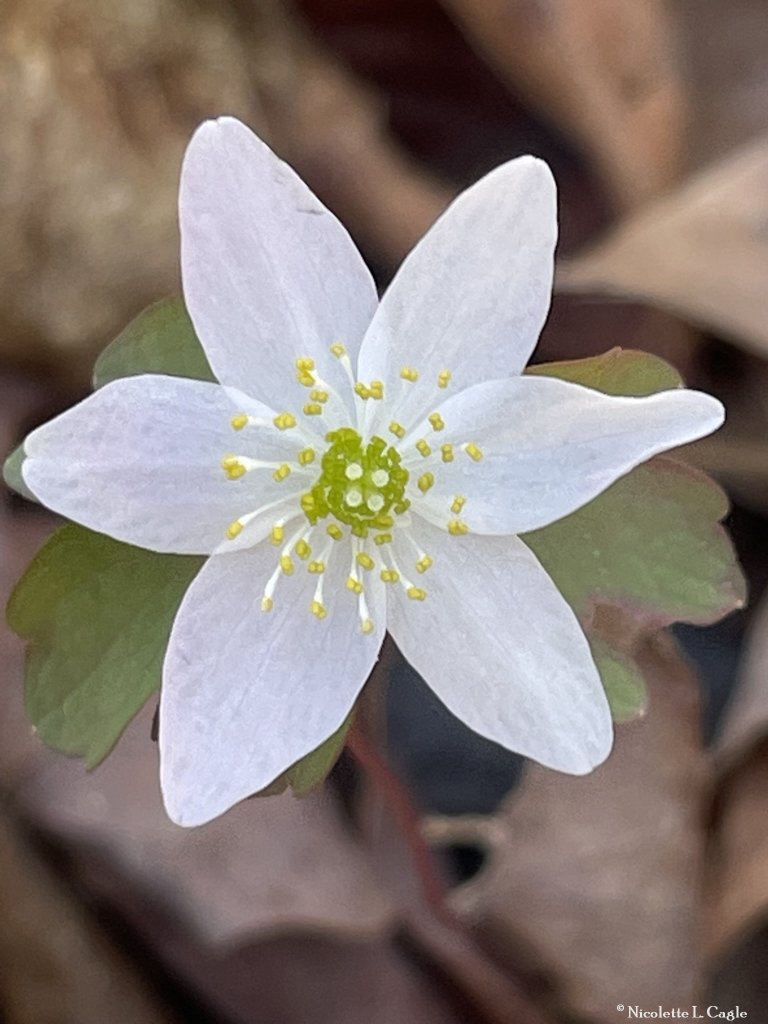
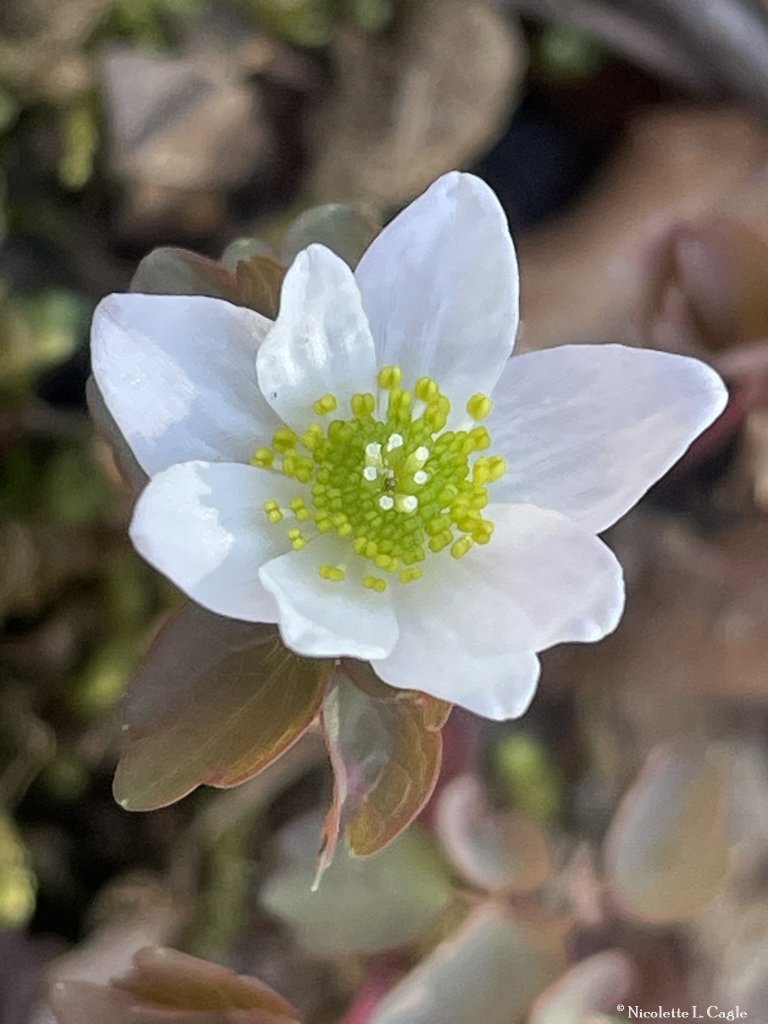
14Mar2020 Durham NC Sennett’s Hole rue anemone10Mar2018 Rue Anemone (Thalictrum thalictroides)15 Apr 2014 Duke Forest Gate 26 Rue-anemone Thalictrum thalictroidesMar 20 2009 Durham NC woods by house Anemonella thalictroides rue-anemoneMar 20 2009 Durham NC woods by house Anemonella thalictroides rue-anemone 28 Mar 2010 Durham NC Penny’s Bend windflower Anemonella thalictroides05 Mar 2017 Timberlake NC CEINW rue anemone Thalictrum thalictroides11Mar2025 Durham NC Penny’s Bend wind flower 28 Feb 2017 Orange Co. NC Duke Forest Gate 26 Rue Anemone Windflower25Mar2023 Rue Anemone (Thalictrum thalictroides)5Mar2023 Rue Anemone (Thalictrum thalictroides)5Mar2023 Rue Anemone (Thalictrum thalictroides)11Mar2025 Durham NC Penny’s Bend wind flower10Apr2025 Thalictrum thalictroides10Apr2025 Thalictrum thalictroidesMar 16 2009 NCBG Anemonella thalictroides windflower10Apr2005 Thalictrum thalictroides
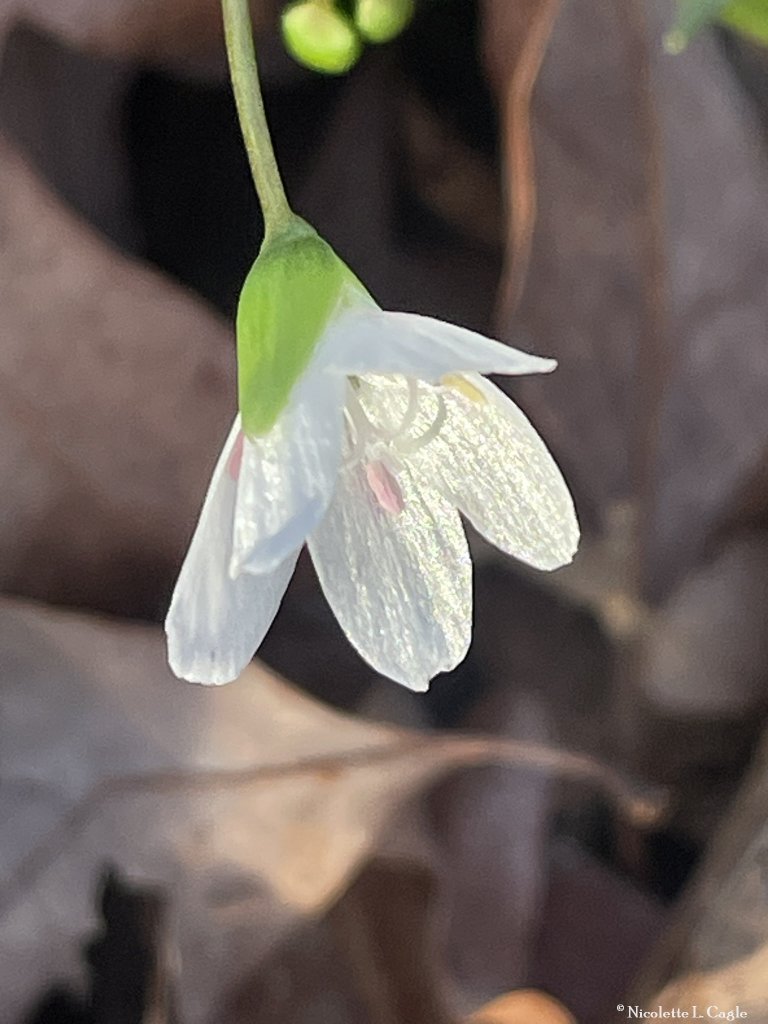
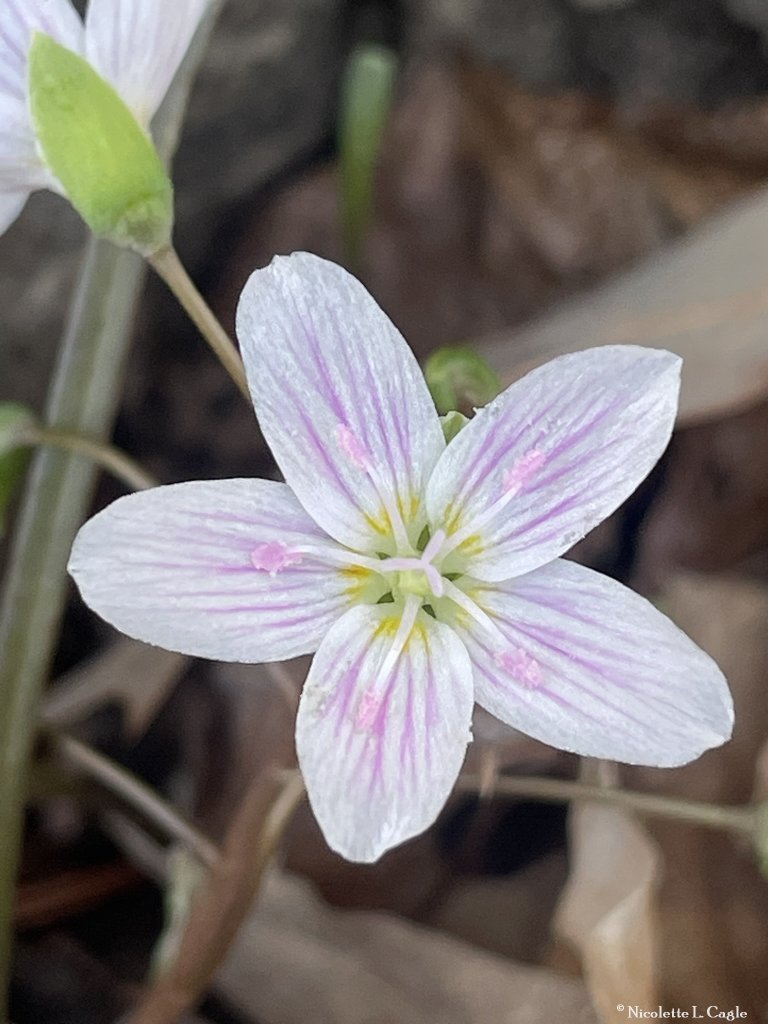
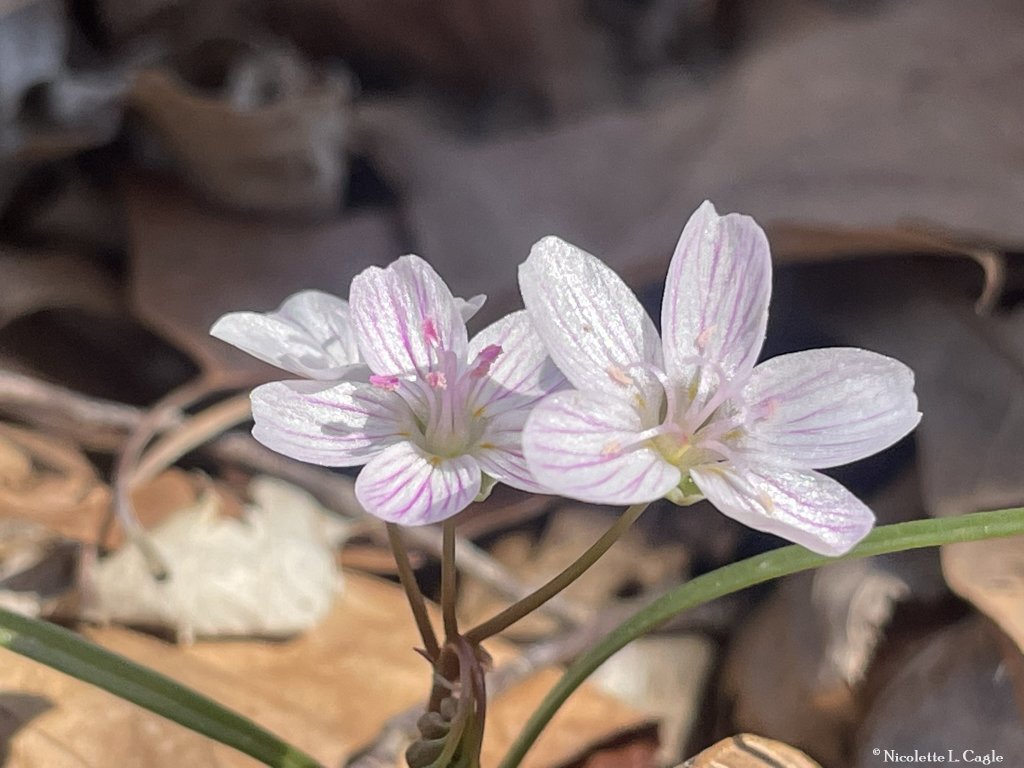
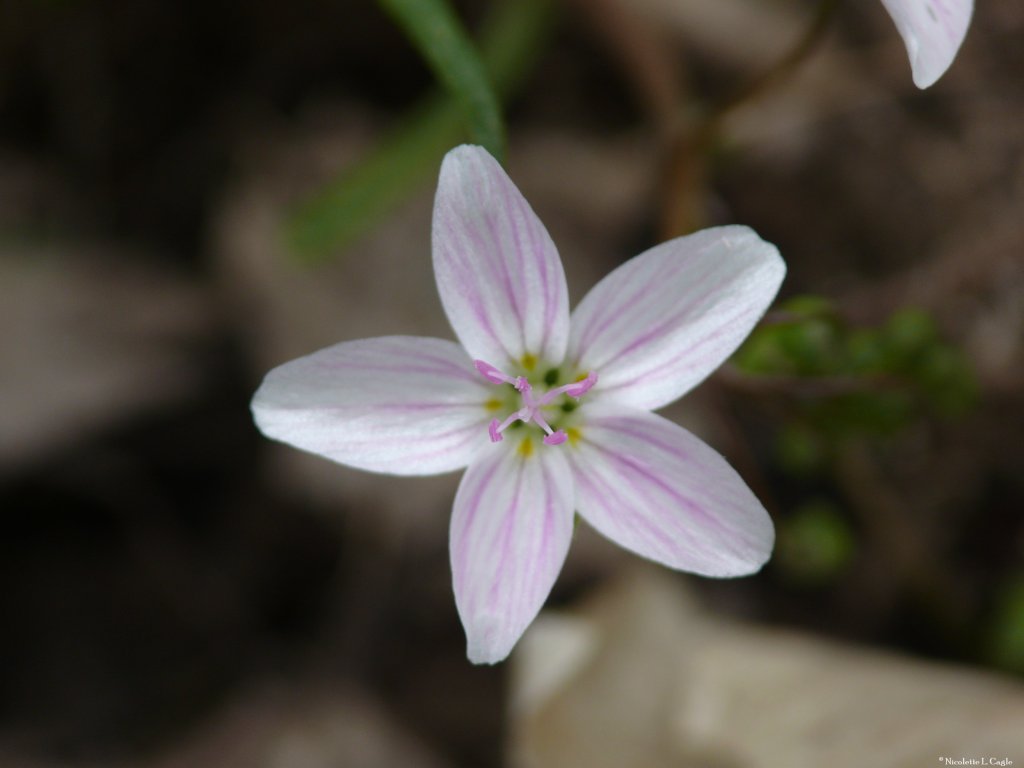
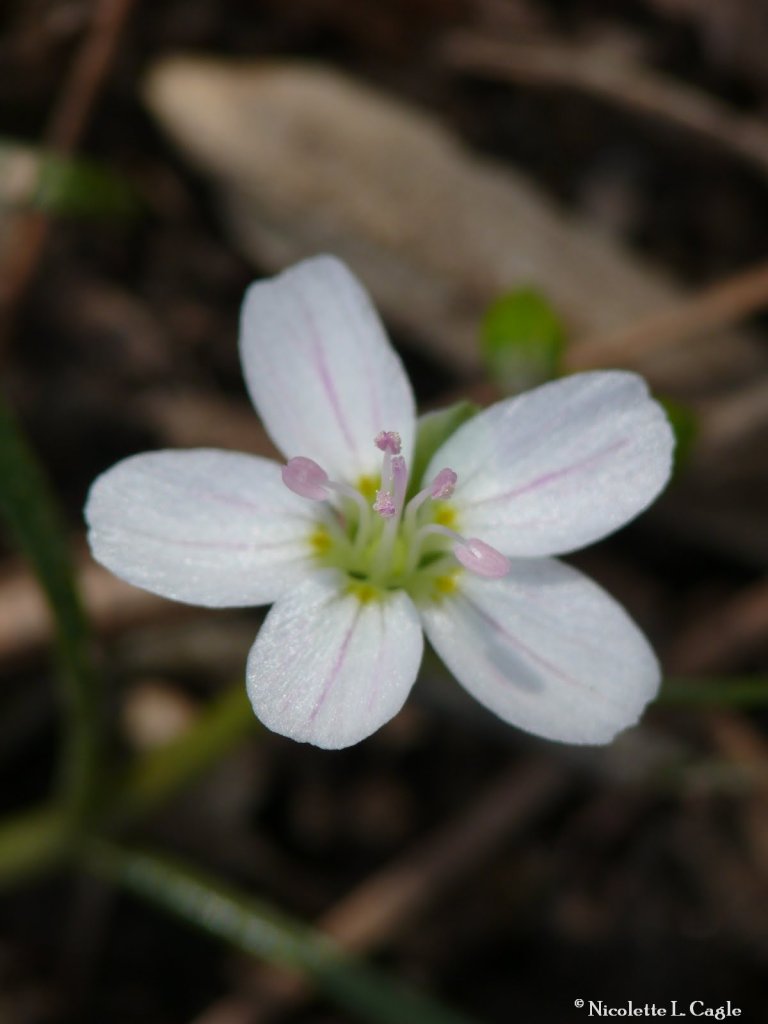
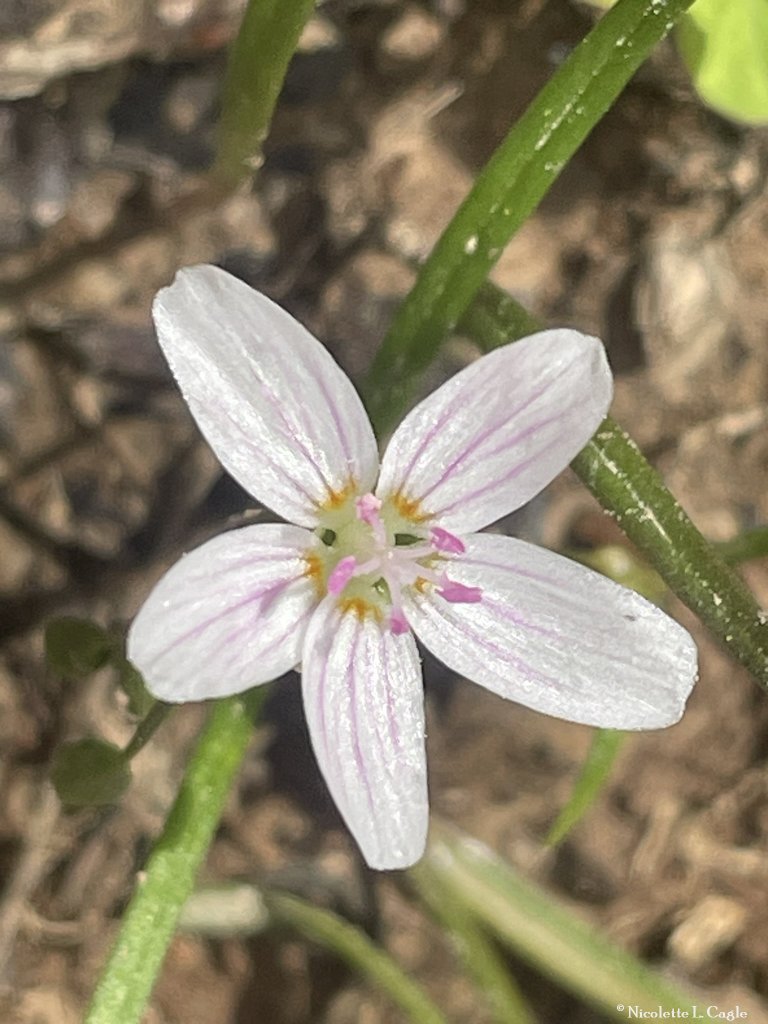
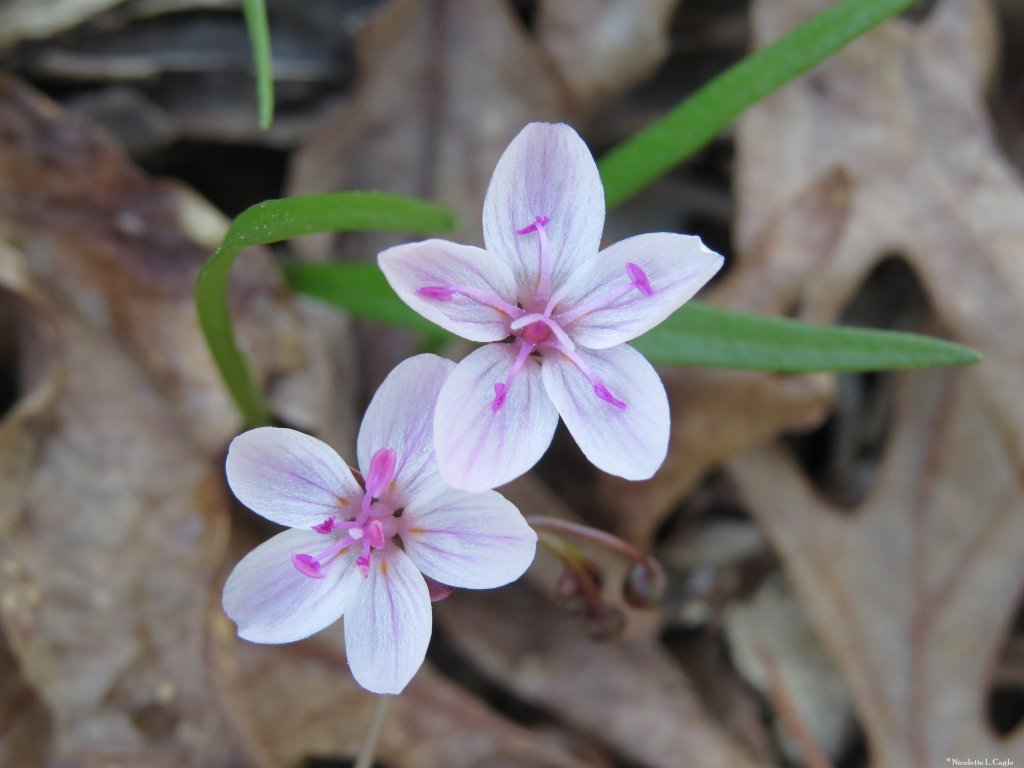
Spring Beauty (Claytonia virginica)
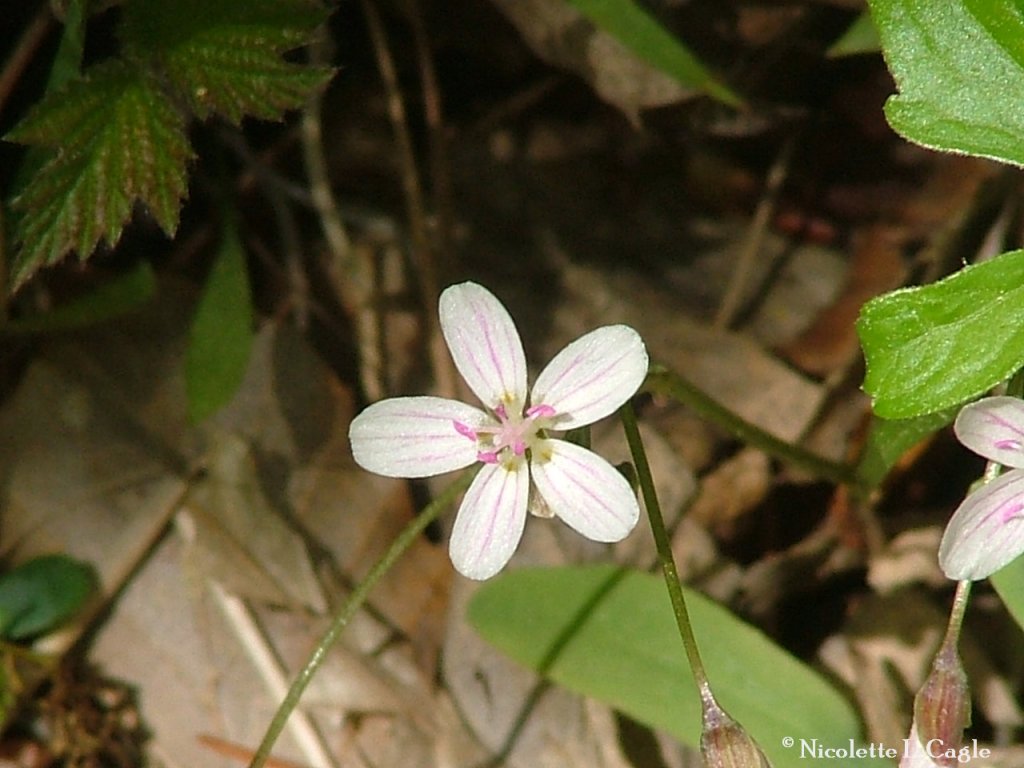
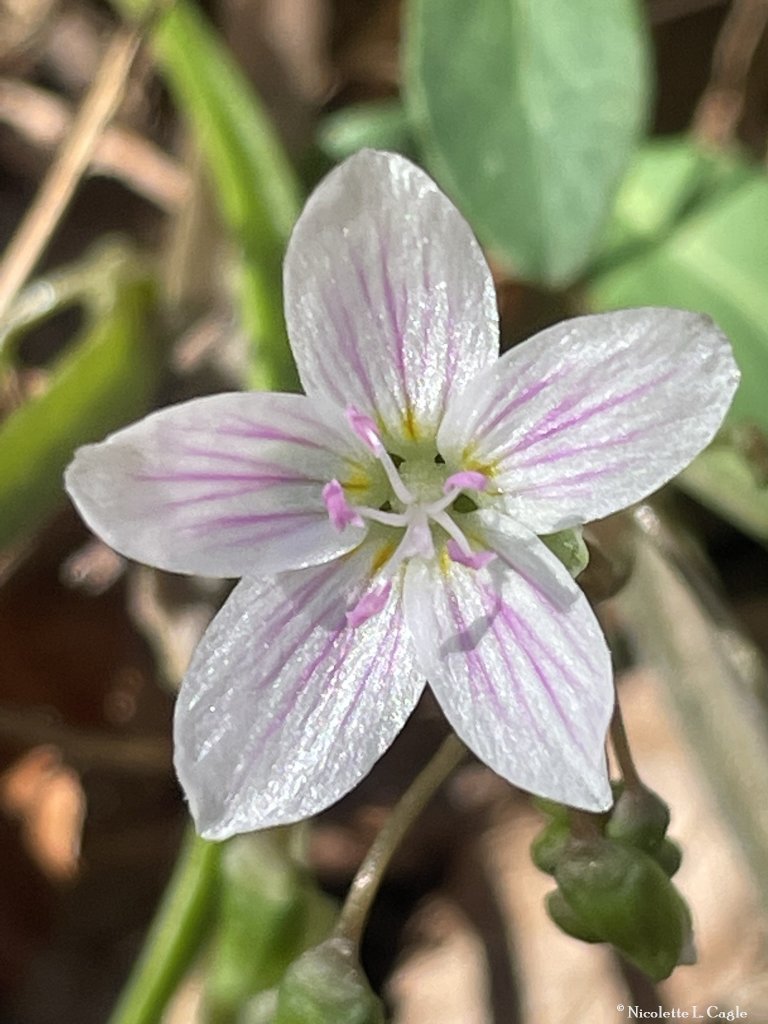
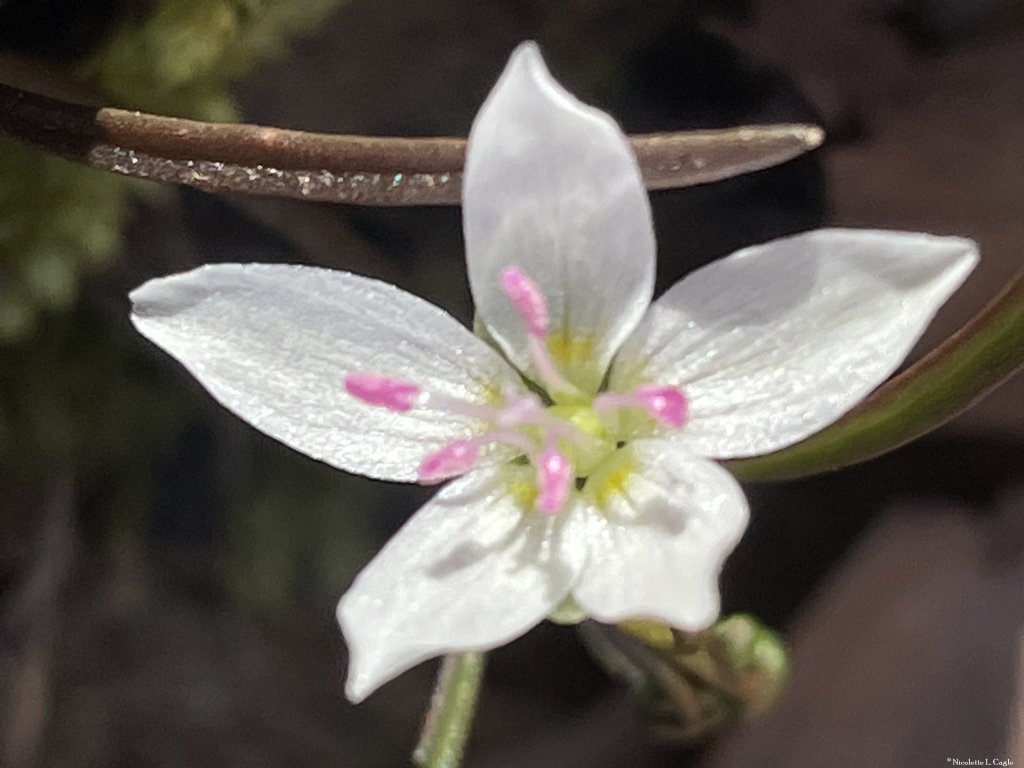
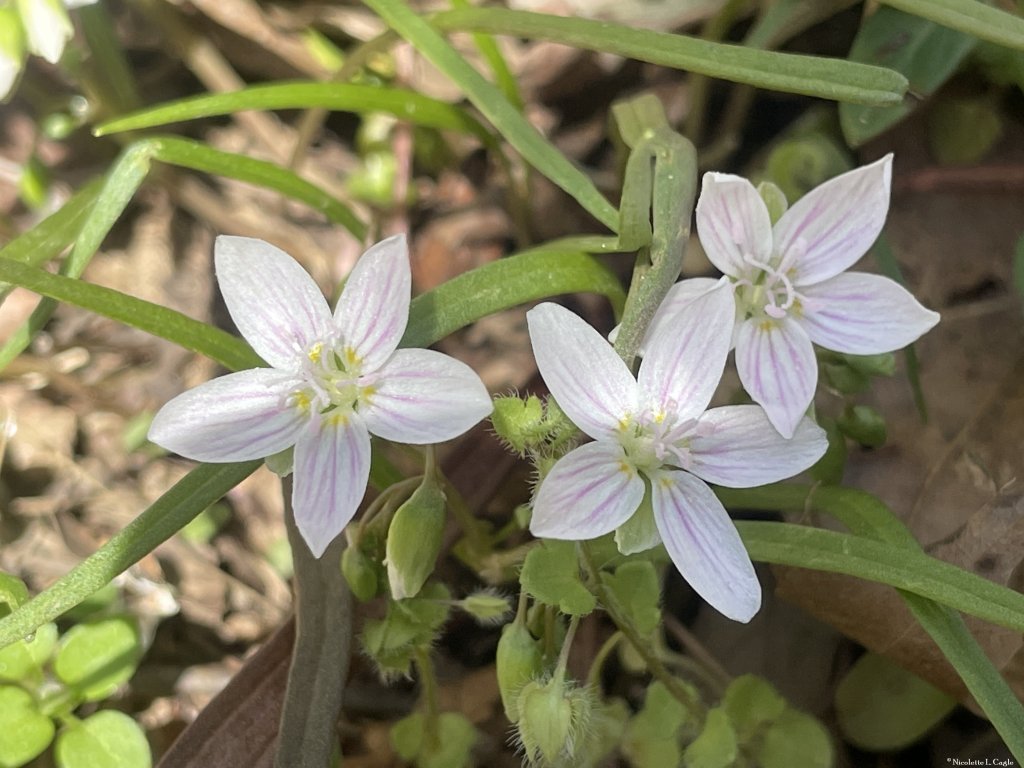
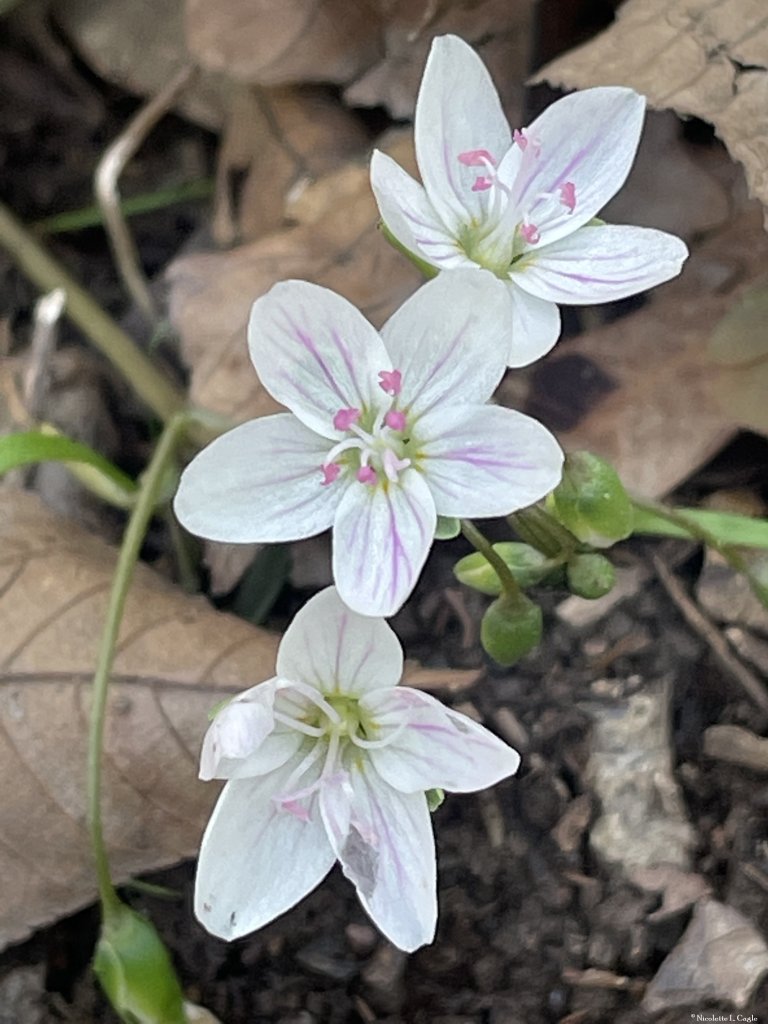
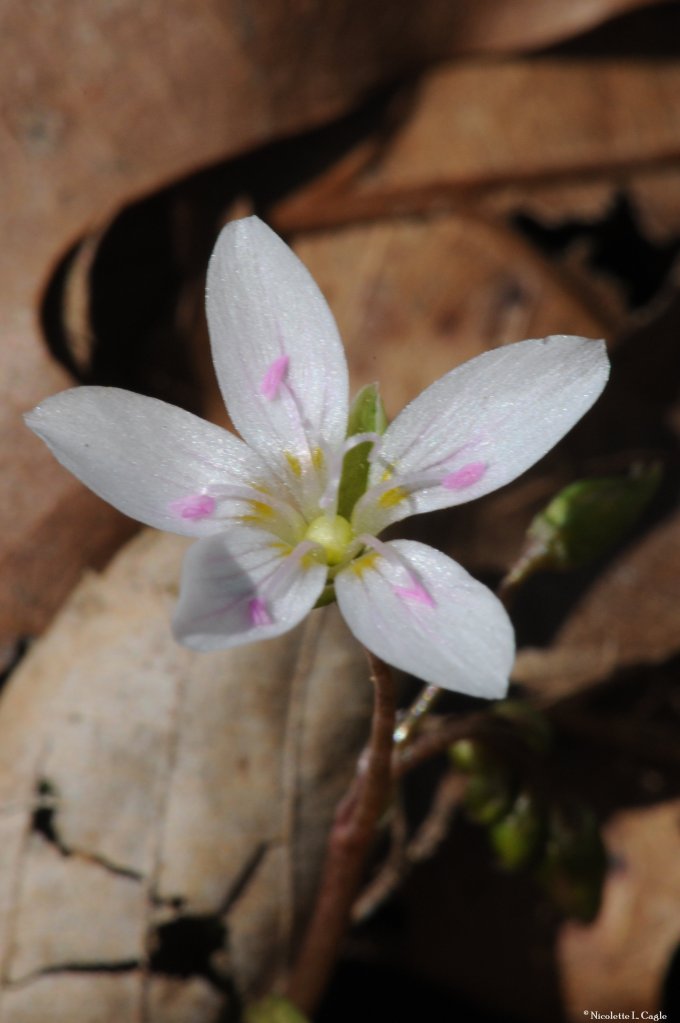
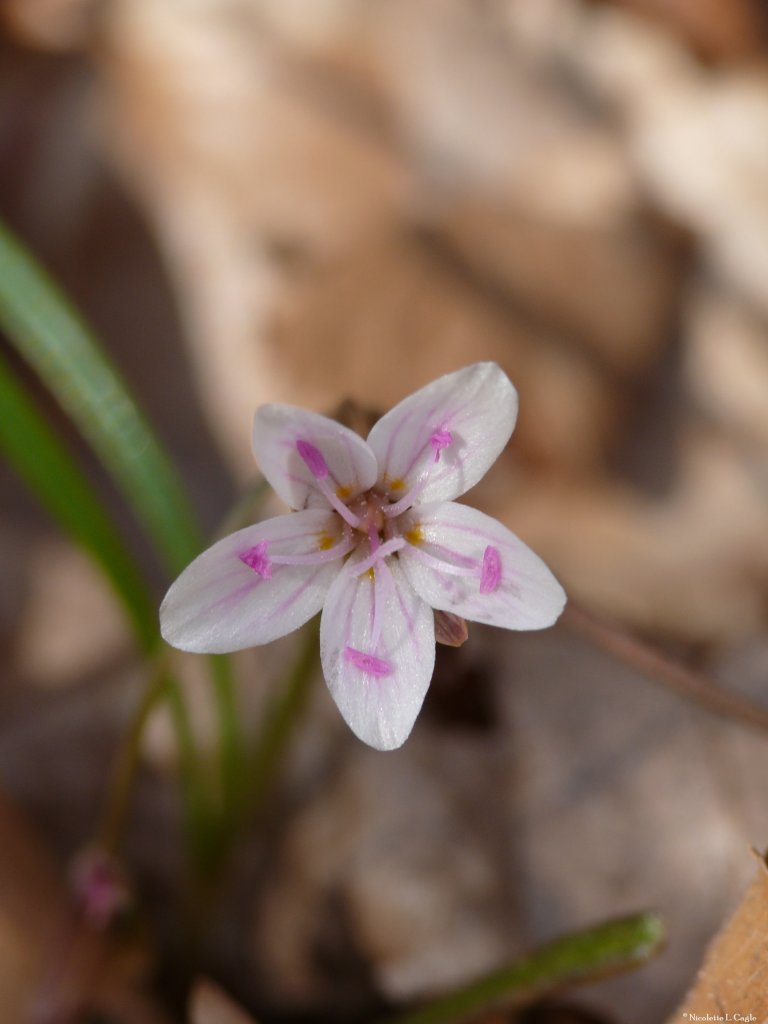
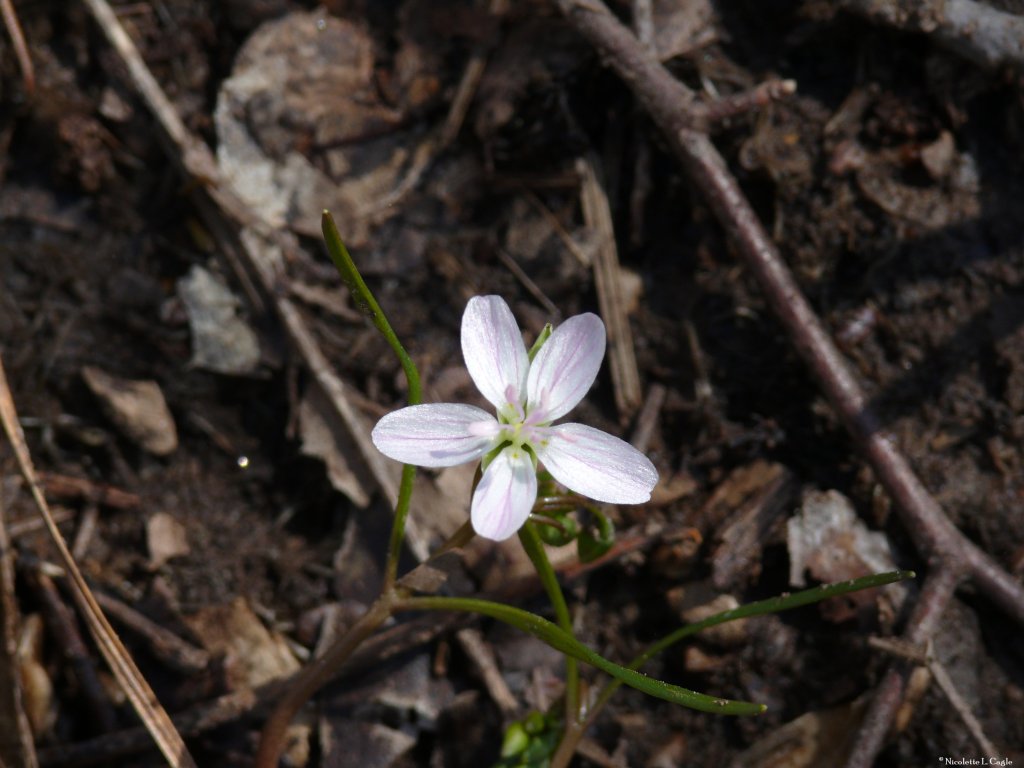
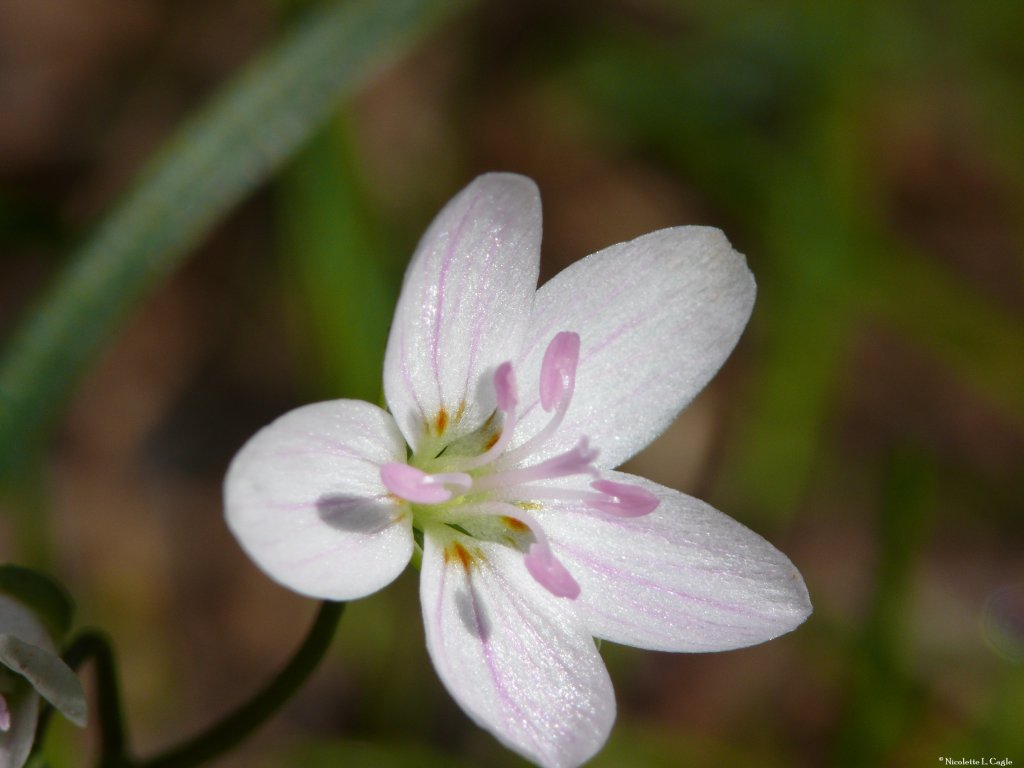
2Mar2019 Durham NC Sennetts Hole spring beauty Claytonia virginica_wm2Mar2020 Durham West Point on the Eno springbeauty03Mar2021 Orange Co NC Duke Forest Couch property 03Mar2024 Durham NC spring beauty03Mar2024 Durham NC spring beauty 11Mar2025 Durham NC Penny’s Bend spring beauty12Mar2025 Cary NC spring beauty13 Mar 2016 Raleigh NC Swift Creek Bluffs spring beauty21 Mar 2010 Swift Creek Bluffs Cary NC spring beauty (Claytonia virginica) 21 Mar 2010 Swift Creek Bluffs Cary NC spring beauty (Claytonia virginica)29Mar2024 Hillsborough NC Occaneechi Mt (spring beauty 30Mar2021 Durham NC Spring BeautiesClaytonia virginica 5Mar2023 Spring Beauty24Feb2021 Spring Beauty21Mar2021 Spring Beautfy26Mar2021 Spring BeautfyMar 8 2009 Durham NC Eno R SP Cox Mt spring beauty (Claytonia virginica)Mar 20 2009 Durham NC woods by house Claytonia virginica spring-beautyMar 22 2009 Cary NC Swift Creek Bluffs spring-beauty Claytonia virginica_Mar 29 2009 Hillsborough NC Occoneechee Speedway spring beauty Claytonia virginica
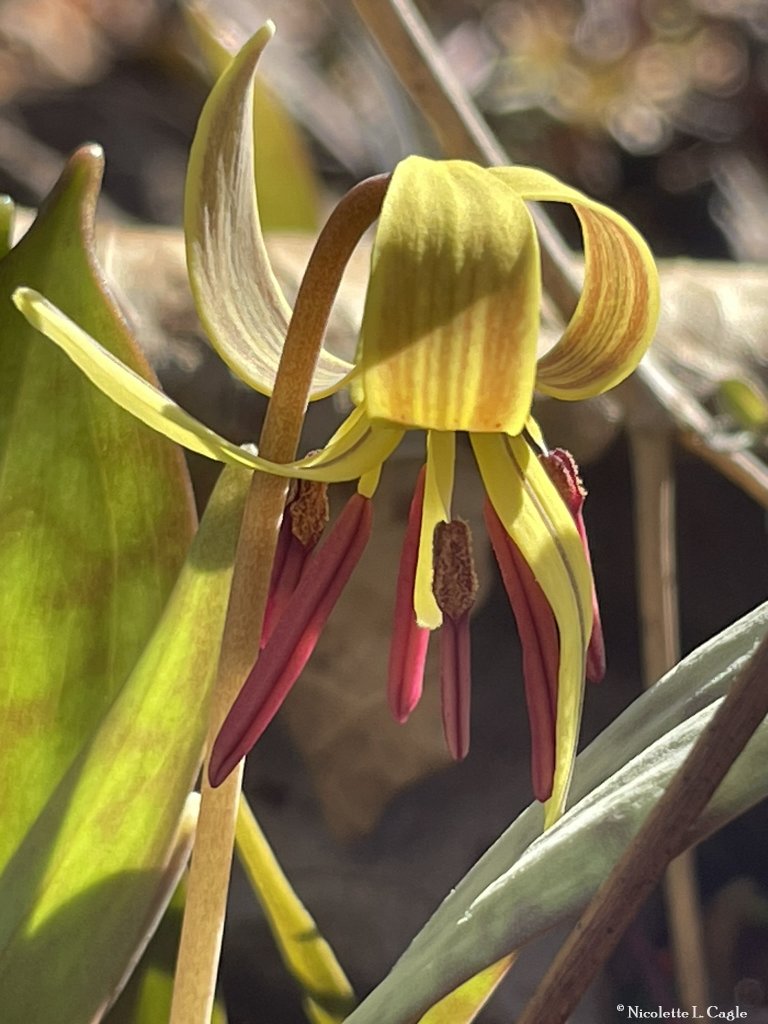
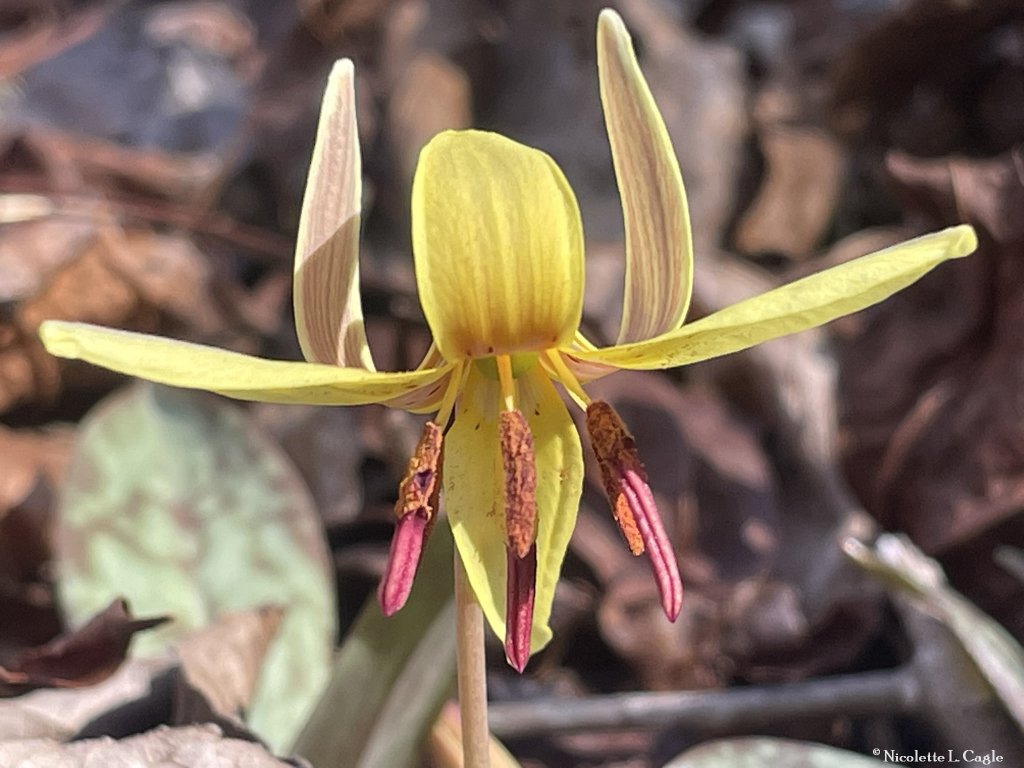
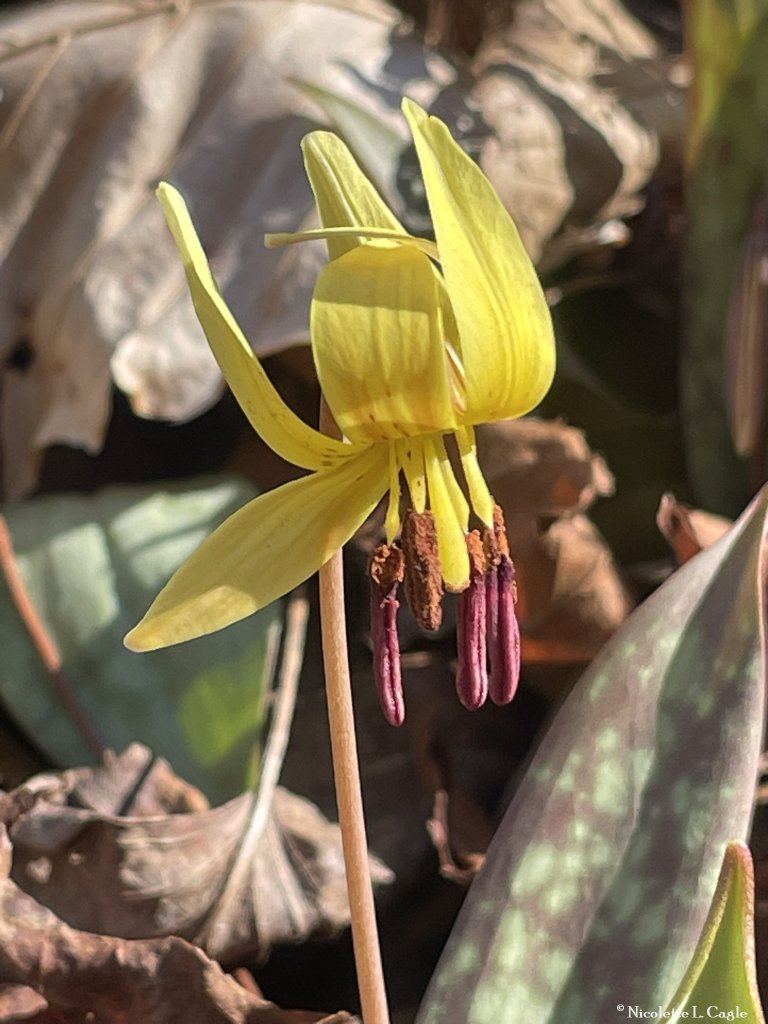
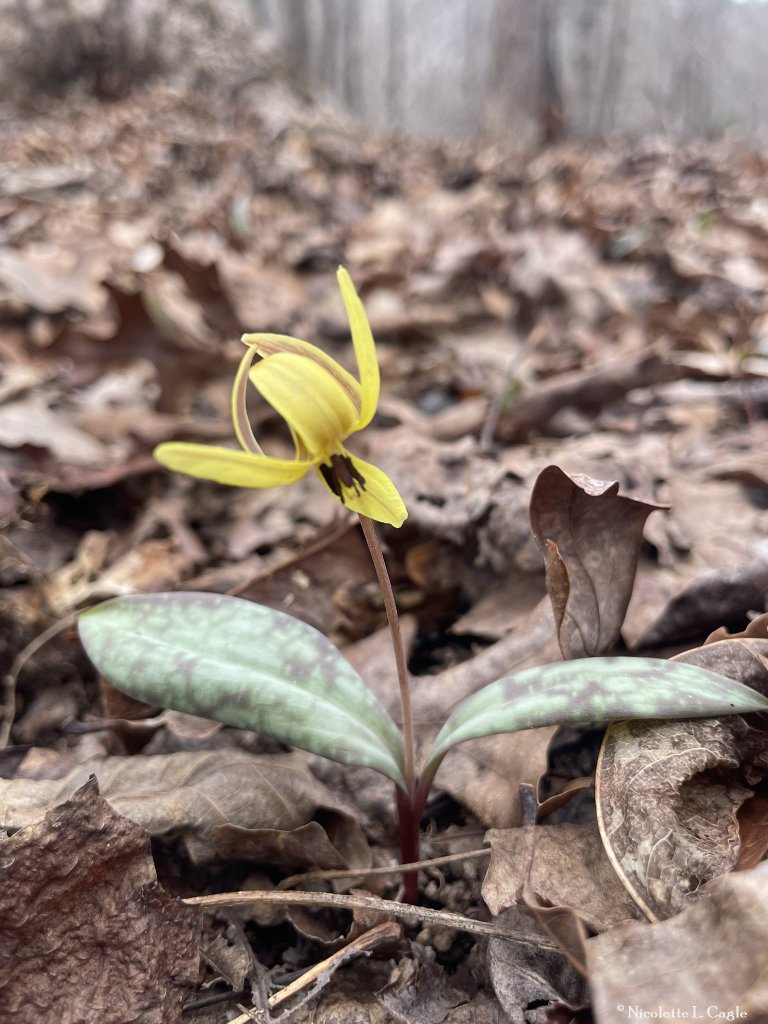
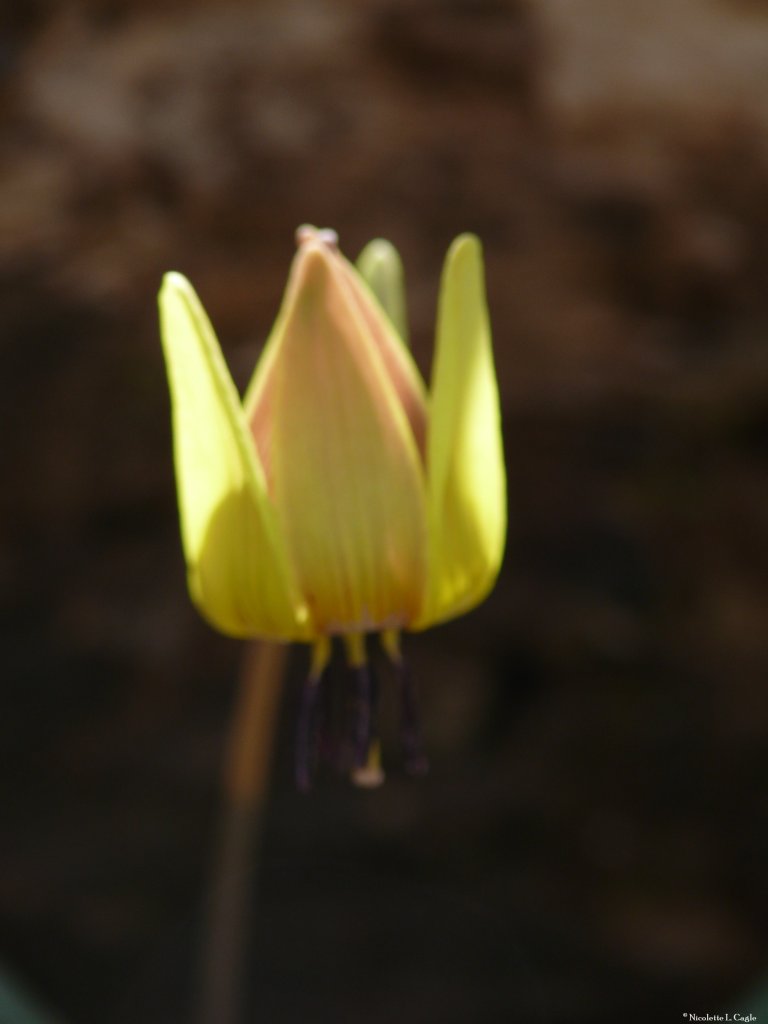
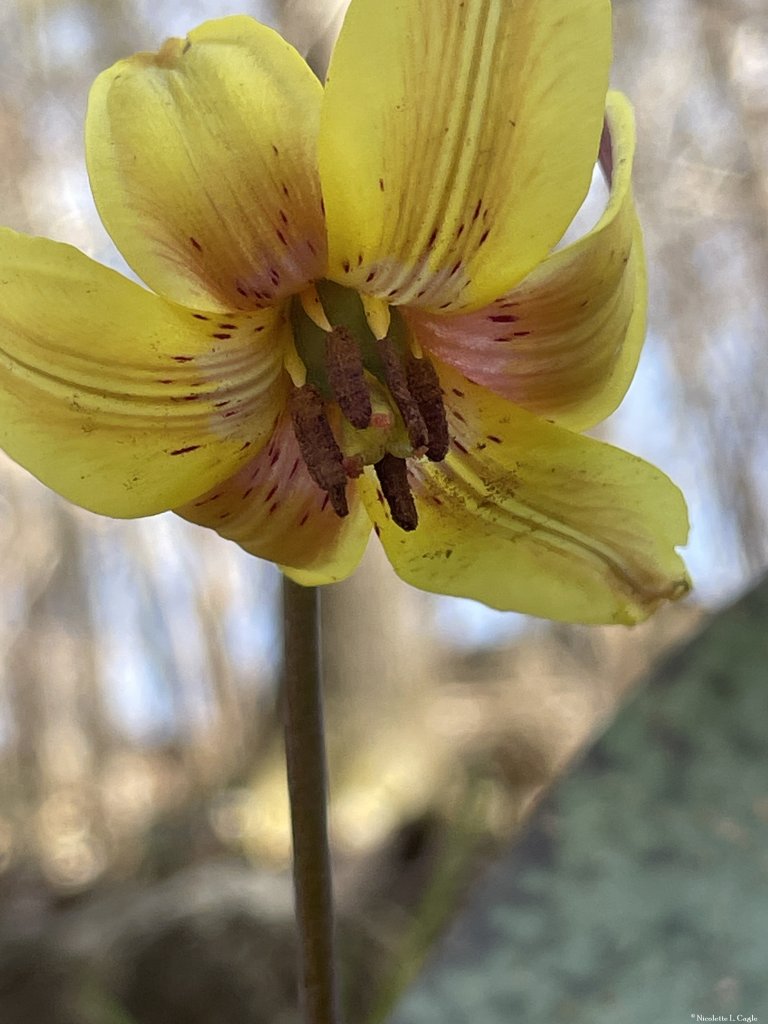
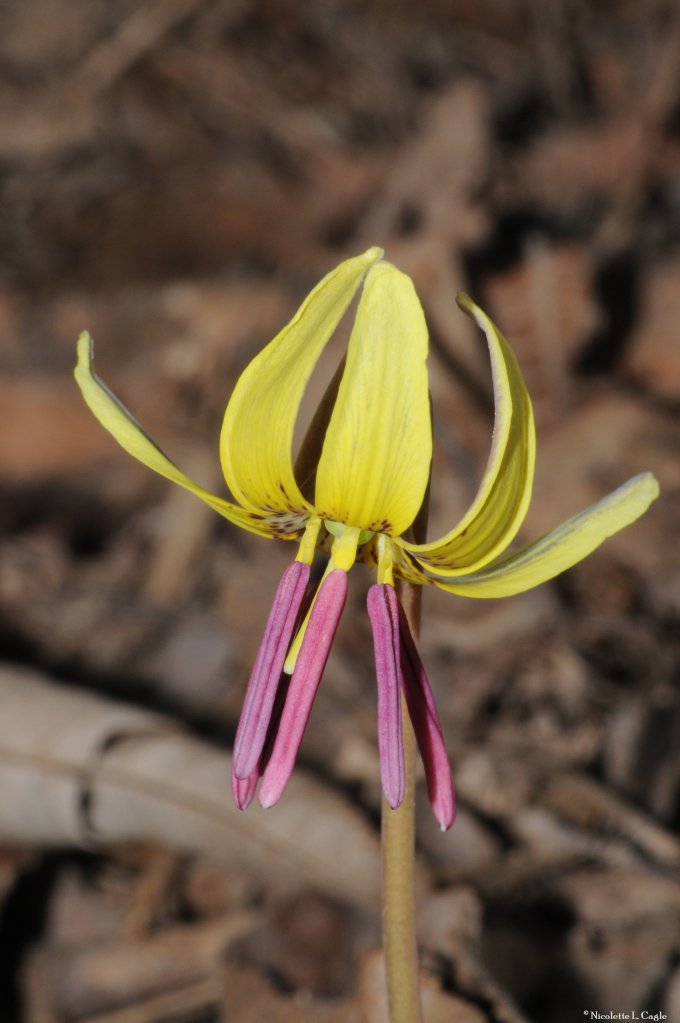
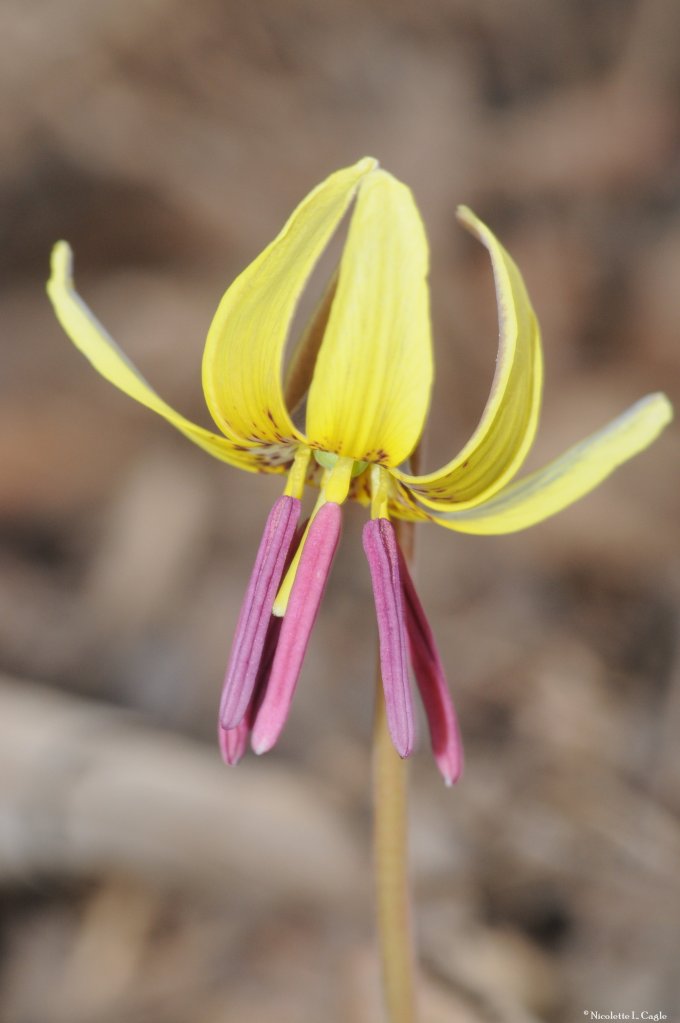
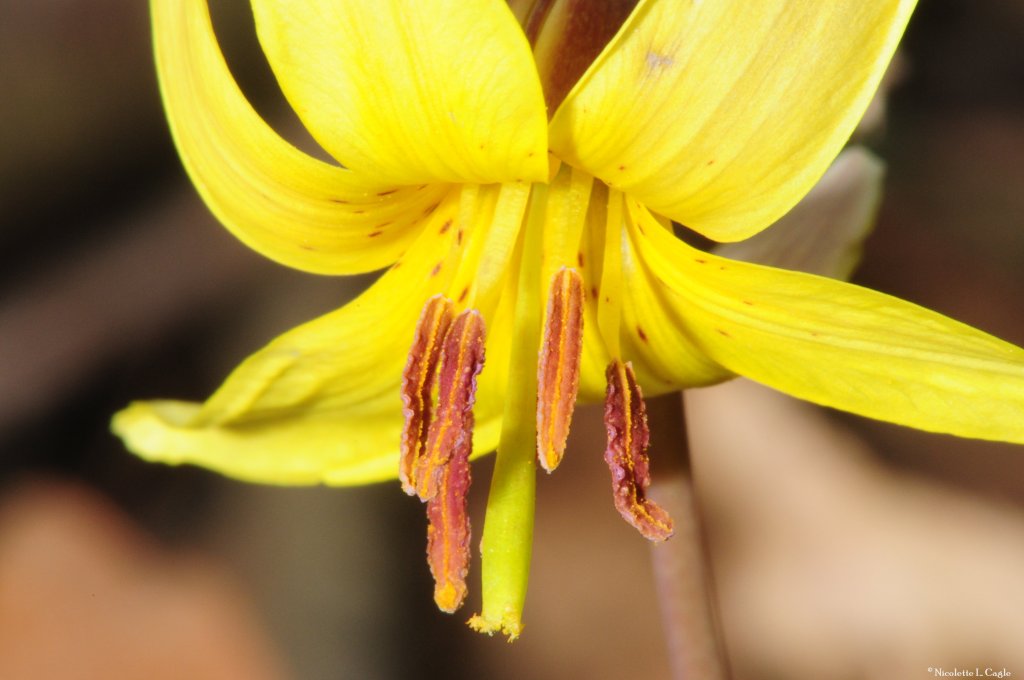
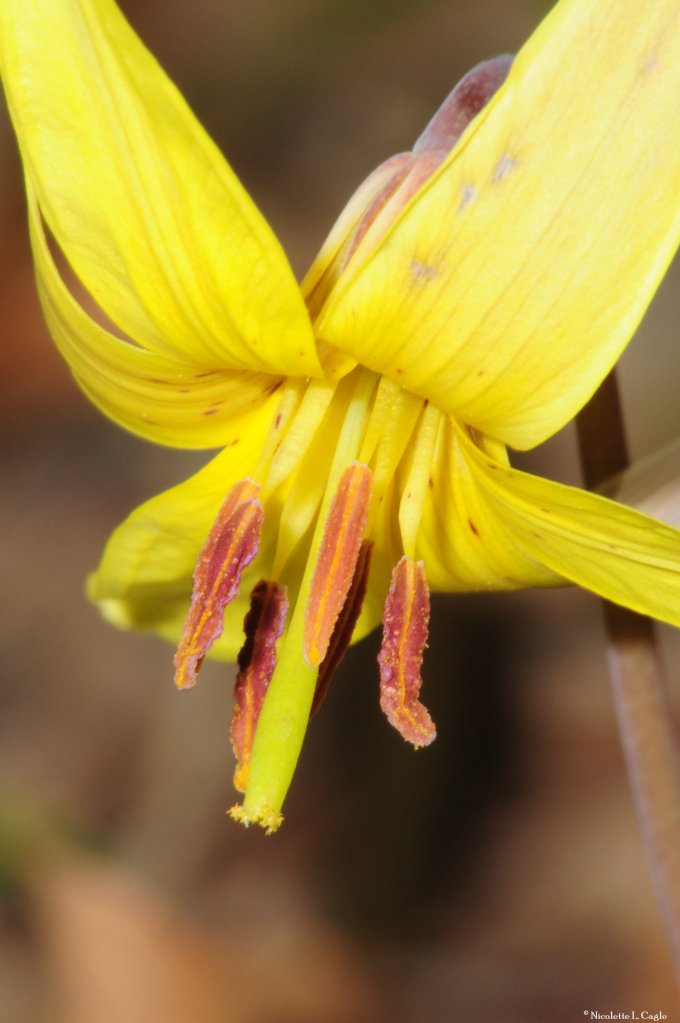
Trout Lily (Erythronium americanum and Erythronium umbillicatum)
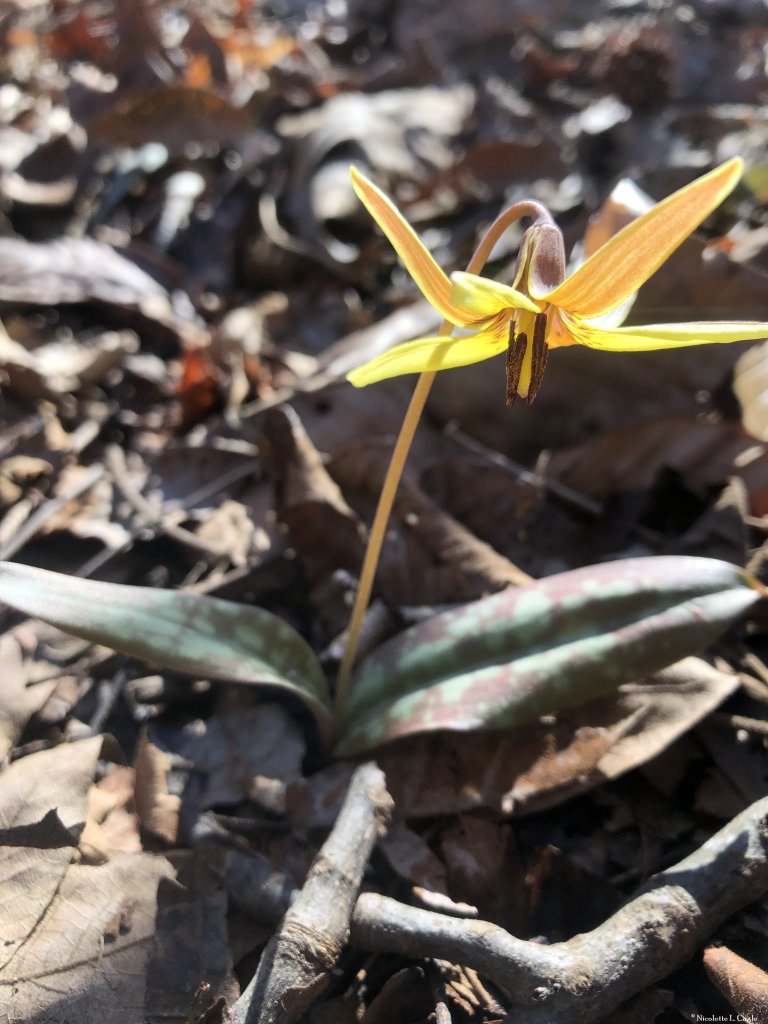
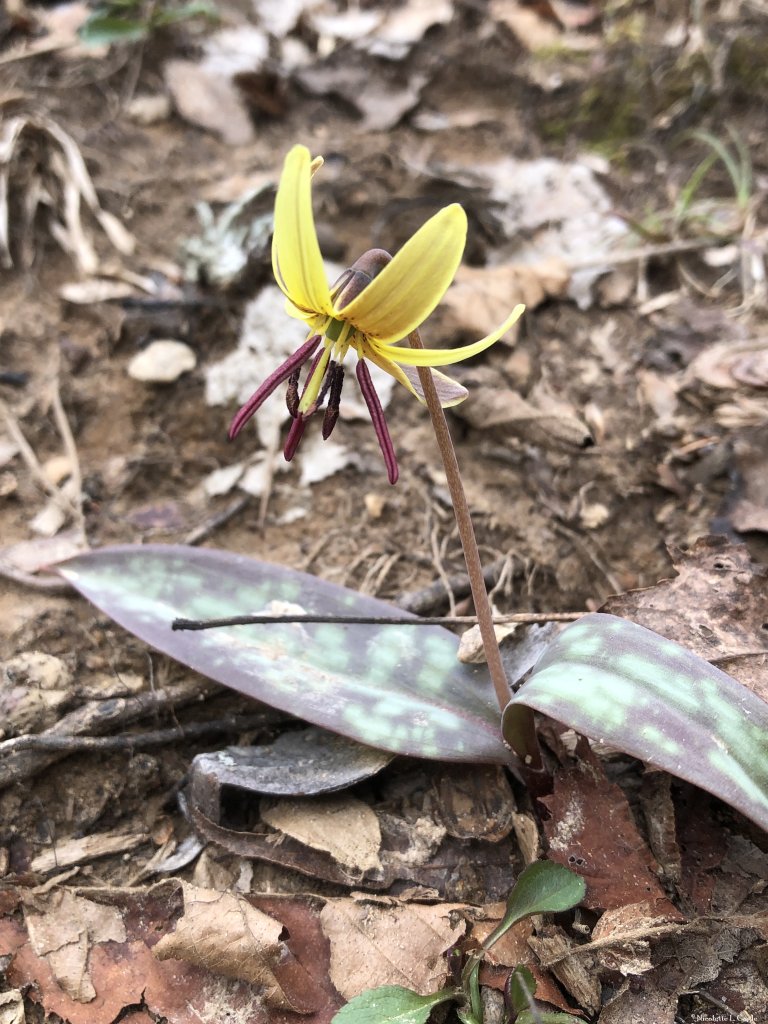
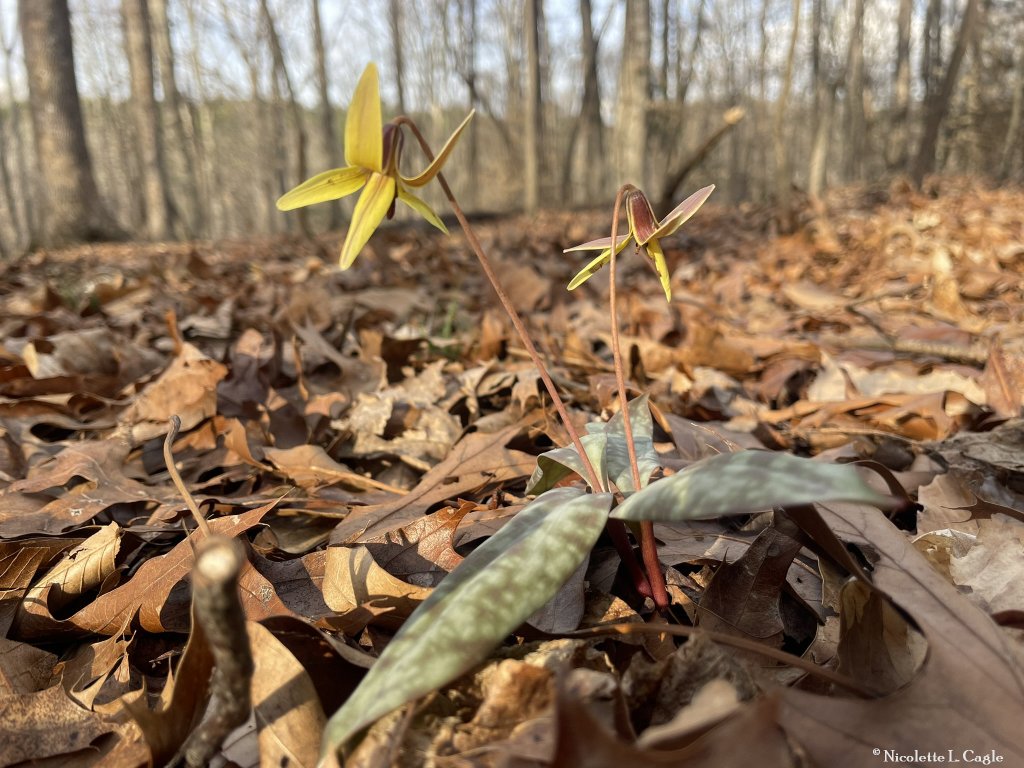
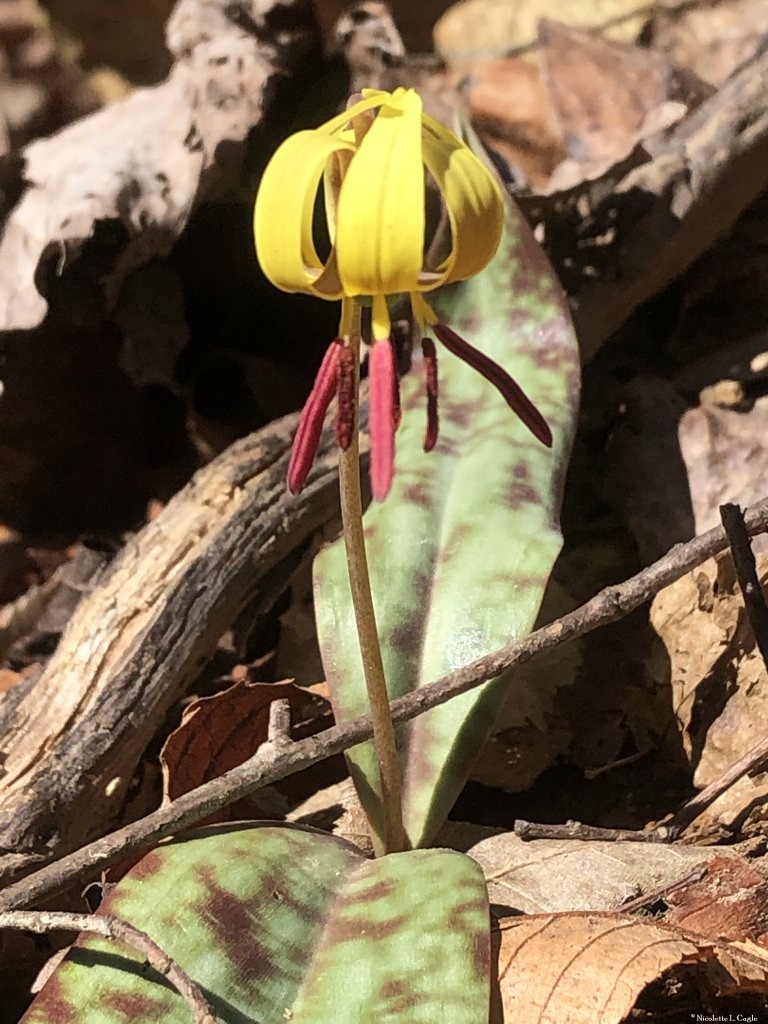
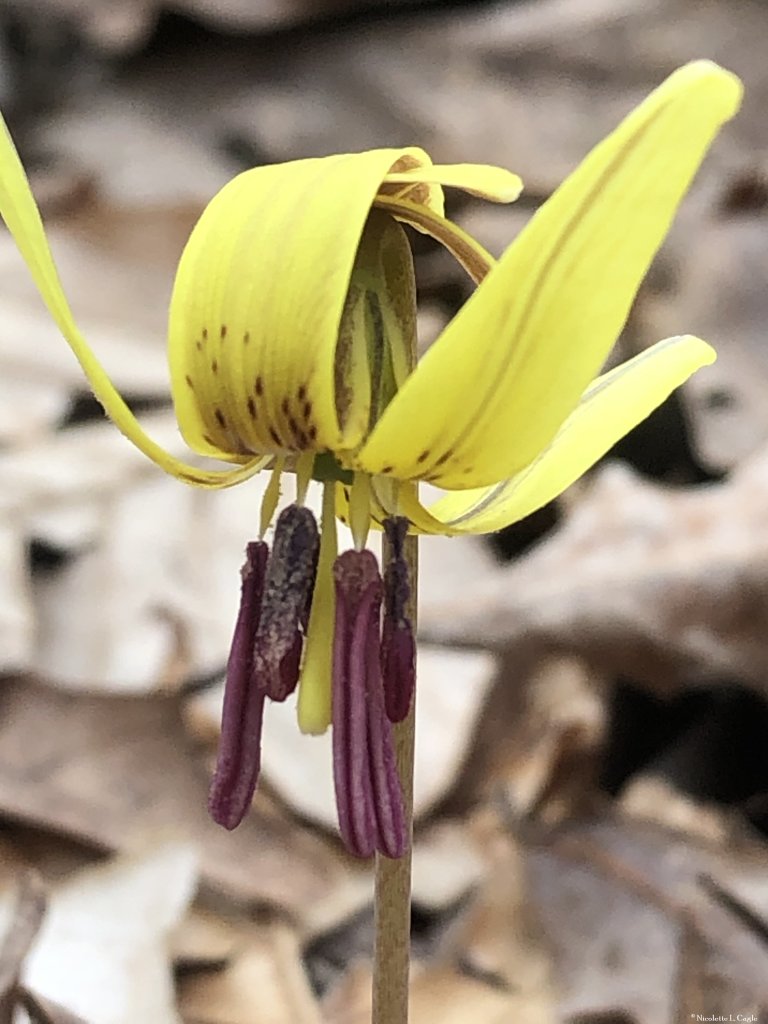
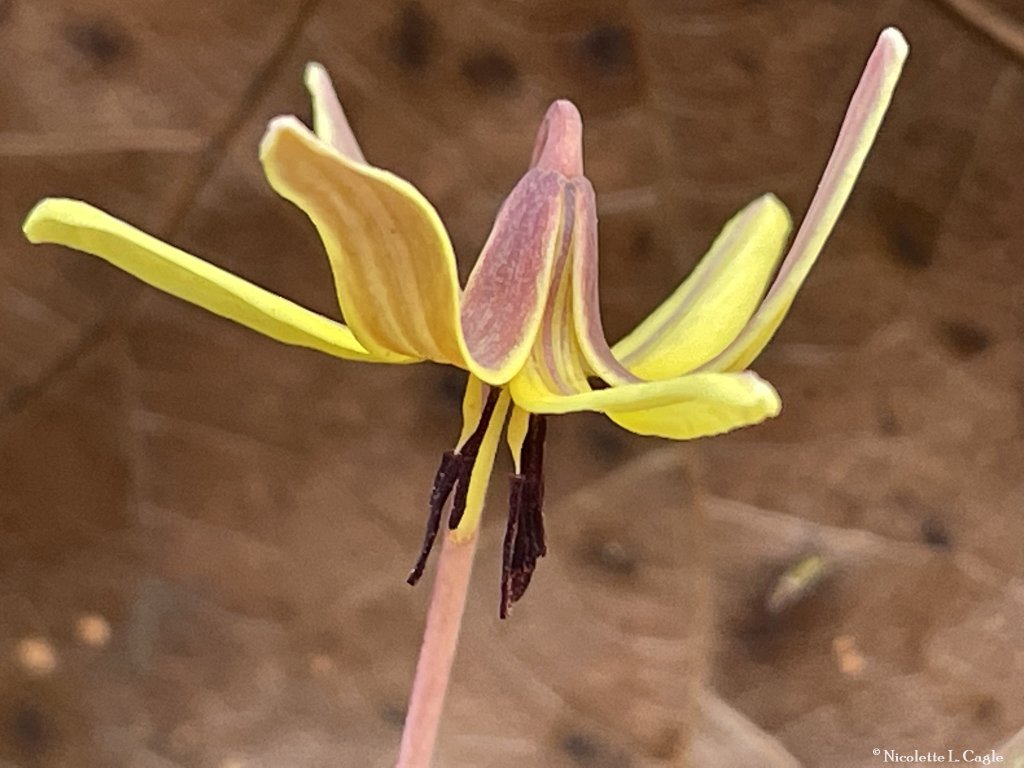
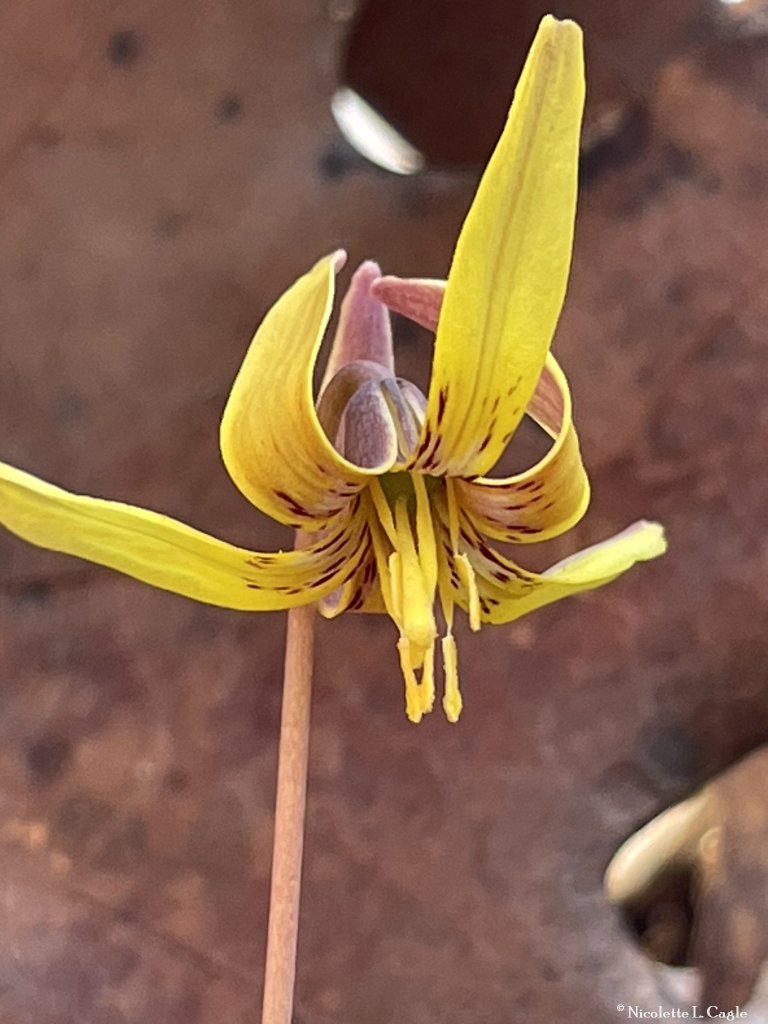
2Mar2019 Durham NC Sennetts Hole dimpled trout lily Erythronium umbilicatum2Mar2020 Durham West Point on the Eno troutlily03Mar2024 Durham NC trout lily 03Mar2024 Durham NC trout lily03Mar2024 Durham NC trout lily08Mar2025 Durham NC Pump Station troutlily 08Mar2025 Durham NC Pump Station troutlily08Mar2025 Durham NC Pump Station troutlily08Mar2025 Durham NC Pump Station troutlily08Mar2025 Durham NC Pump Station troutlily10Mar2025 Durham NC troutlily17Mar2025 Durham NC Pump Station troutlily17Mar2025 Durham NC Pump Station troutlily21 Mar 2010 Swift Creek Bluffs Cary NC trout lily (mwc)21 Mar 2010 Swift Creek Bluffs Cary NC trout lily22Feb2020 Durham NC Sennett’s Hole troutlily22Feb2020 Durham NC Sennett’s Hole troutlily26Feb2020 Durham NC tanglewood woods troutlily 5Mar2023 Troutlilly5Mar2023 Troutlily21Mar2021 TroutlilyMar 8 2009 Durham NC Eno R SP Cox Mt trout lily Erythronium americanumMar 8 2009 Durham NC Eno R SP Cox Mt trout lily Erythronium americanumMar 22 2009 Cary NC Swift Creek bluffs trout lily Erythronium umbillicatum Mar 22 2009 Cary NC Swift Creek bluffs trout lily Erythronium umbillicatum
References
Alexander F. Motten, “Pollination Ecology of the Spring Wildflower Community of a Temperate Deciduous Forest,” Ecological Monographs 56, no. 1 (February 1986): 21–42, https://doi.org/10.2307/2937269.
Rebecca M. Prather, Rebecca M. Dalton, billy barr, Daniel T. Blumstein, Carol L. Boggs, Alison K. Brody, David W. Inouye, Rebecca E. Irwin, Julien G. A. Martin, Rosemary J. Smith, Dirk H. Van Vuren, Caitlin P. Wells, Howard H. Whiteman, Brian D. Inouye, Nora Underwood; Current and lagged climate affects phenology across diverse taxonomic groups. Proc Biol Sci 1 January 2023; 290 (1990): 20222181. https://doi.org/10.1098/rspb.2022.2181


 Sense of Place
Leave a comment