Author’s Note: Please note that this post was reviewed and corrected by Nerissa Webster, referenced below, and published with her permission.
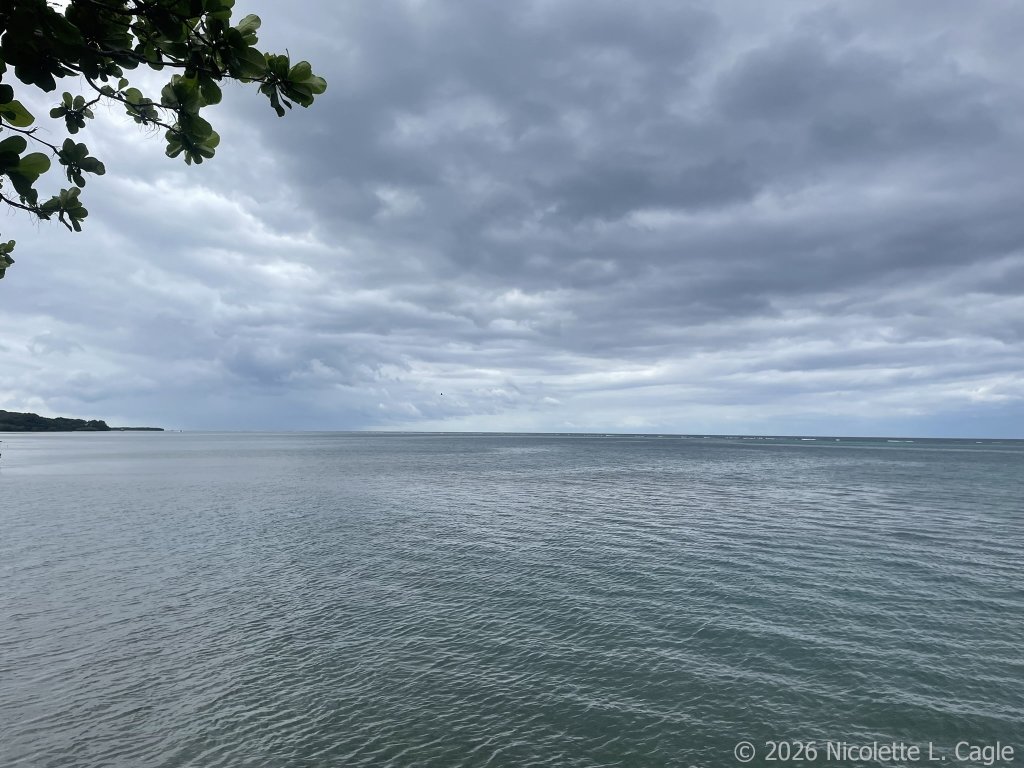
We arrived at Punta Gorda — a village founded by the Garifuna people after being exiled from nearby St. Vincent Island and being deposited on Roatan, Honduras on April 12, 1797 — that sits on a jutting piece of land, overlooking the turquoise sea on the north central coast of the island.
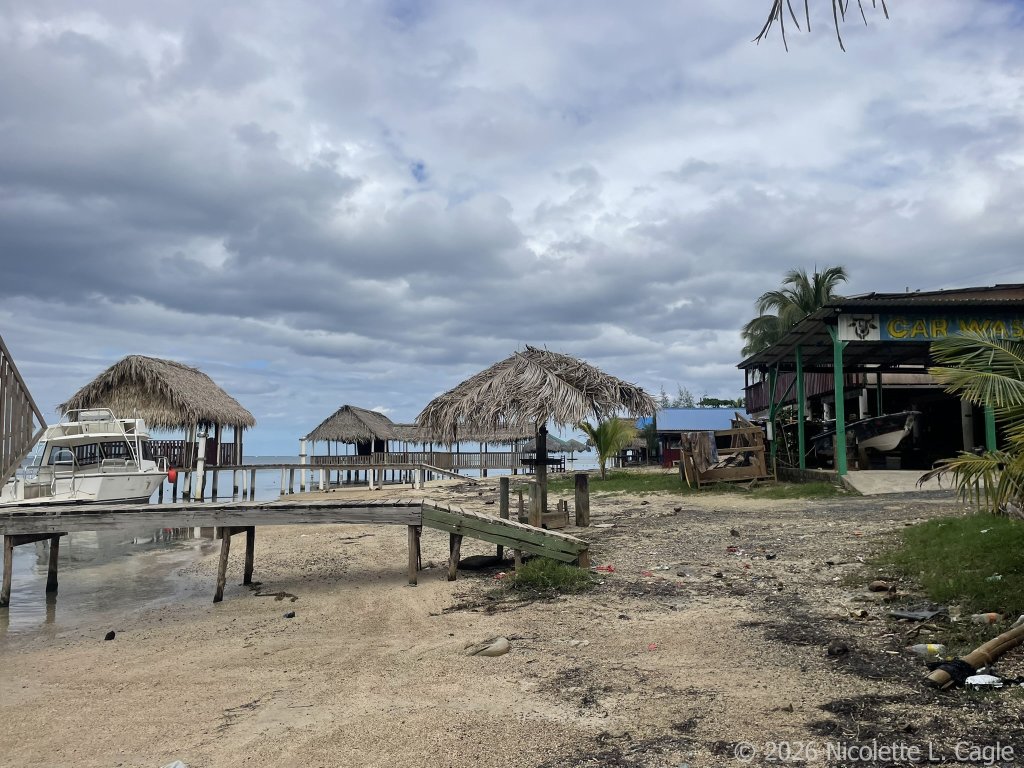
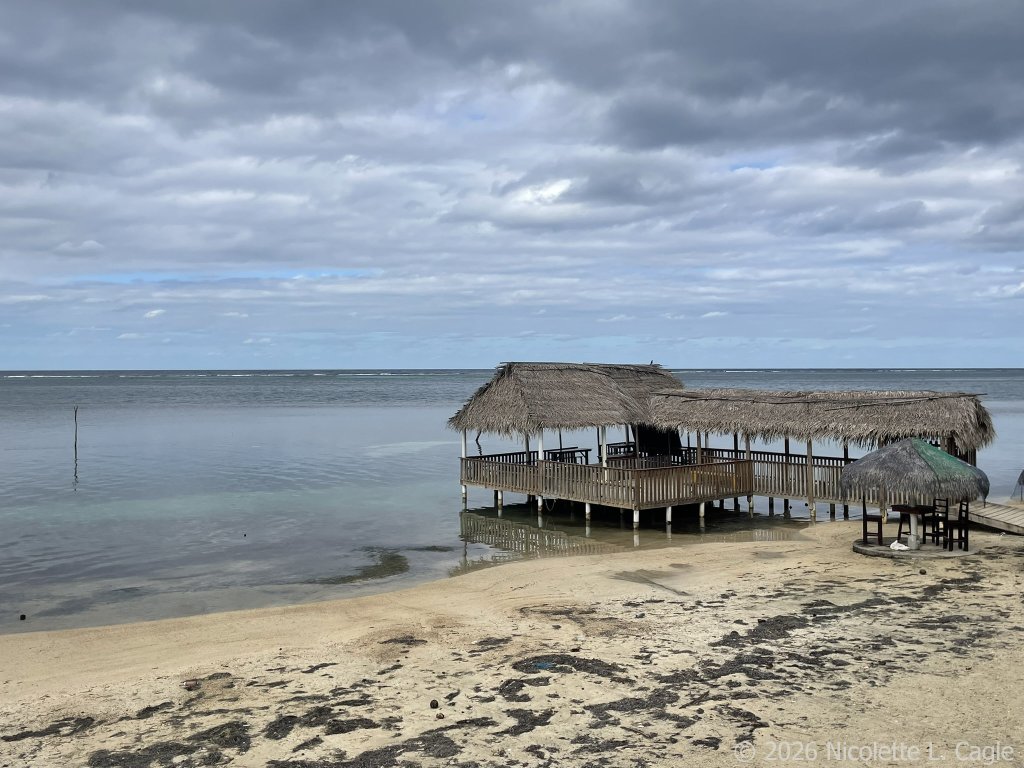
Our guide, Nerissa, a local Garifuna woman whose grandmother is a healer and herbalist, shared some of the history and culture of the Garifuna, a history passed down by elders and currently being rediscovered and uncovered by historians and researchers. Nerissa’s presentation was supplemented with information from Edgar, a local man and skilled diver.
Nerissa shared that the Garifuna originated from among the Yoruba people in western Africa, and that they were the first explorers from across the Atlantic, predating the English and French colonization of the region. Other histories, including the account of Englishman William Young, the 18th century governor of St. Vincent, shared a report saying that the African population of the island was established after two Spanish slaveships wrecked nearby in 1635. According to Young, the shipwrecked Africans came from the Ibibio culture.
Both local Garifuna and remote English histories agree that the Garifuna people were never enslaved and that they intermarried with native Arawak people, making the Garifuna an Afro-Indigenous people whose unique language is derived from Arawak, African languages, and received about 15% of its vocabulary from the French, with whom the Garifuna shared St. Vincent since at least 1719. However, some sources suggest that the Africans that arrived on Saint Vincent were refugees fleeing enslavement on other Caribbean islands or that the original Garifuna population absorbed formerly enslaved peoples as well.
With the arrival of the British, conflict arose on St. Vincent. While initially able to repel the British with sea-based attacks upon British vessels, led by the legendary chief Joseph Chatoyer (AKA Satute) and assisted by his strategy-minded wife (Barauda), the Garifuna and their French allies were defeated. The English exiled the Garifuna to an island near St. Vincent, but the land was poor and people began to starve. The Garifuna negotiated resettlement to Roatan. According to Nerissa, nearly 5,000 Garifuna were packed into the bottom of a ship to make the journey from St. Vincent to Roatan; only about 2,500 Garifuna survived. To protect themselves from future attacks, the Garifuna founded a town on Roatan’s north coast at a point where sheer rock provides a natural barrier to attack. This town has persisted and thrived on Roatan for over 200 years, and the Garifuna from Punta Gorda have founded additional coastal towns in Central America, including on mainland Honduras and Belize.
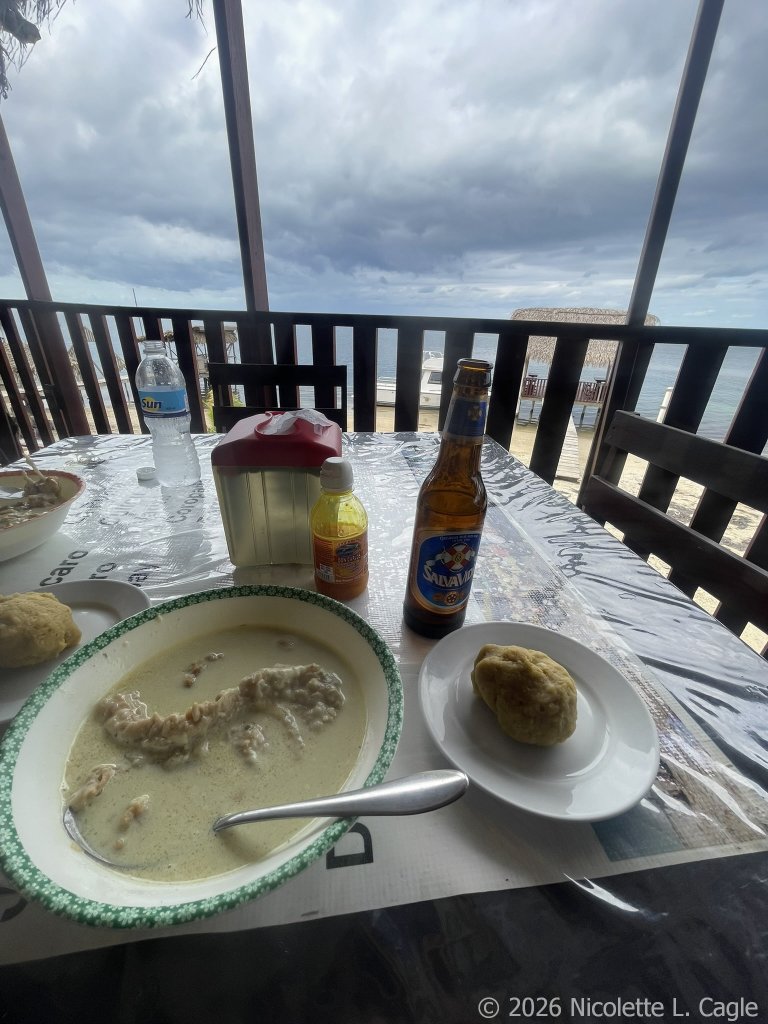
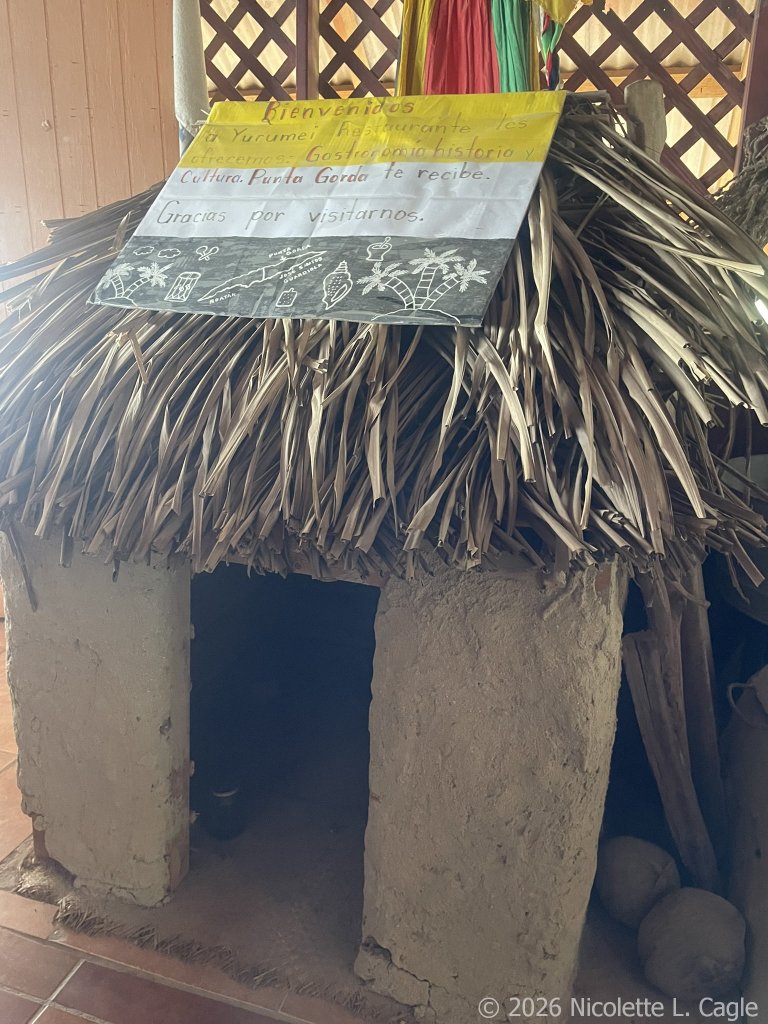
Nerissa and Edgar described many aspects of historic Garifuna life, including the traditional homes made from the island’s thick red clay and topped with palm leaves, placed with the keel of the leaflets face down, like a boat, allowing rain to run off the roof via thousands of leafy gutterways. We were also able to try traditional Garifuna foods, including machuca, a fish and coconut milk soup with a ball of moist plantain dough. Other traditional foods of the Garifuna include dried fish.
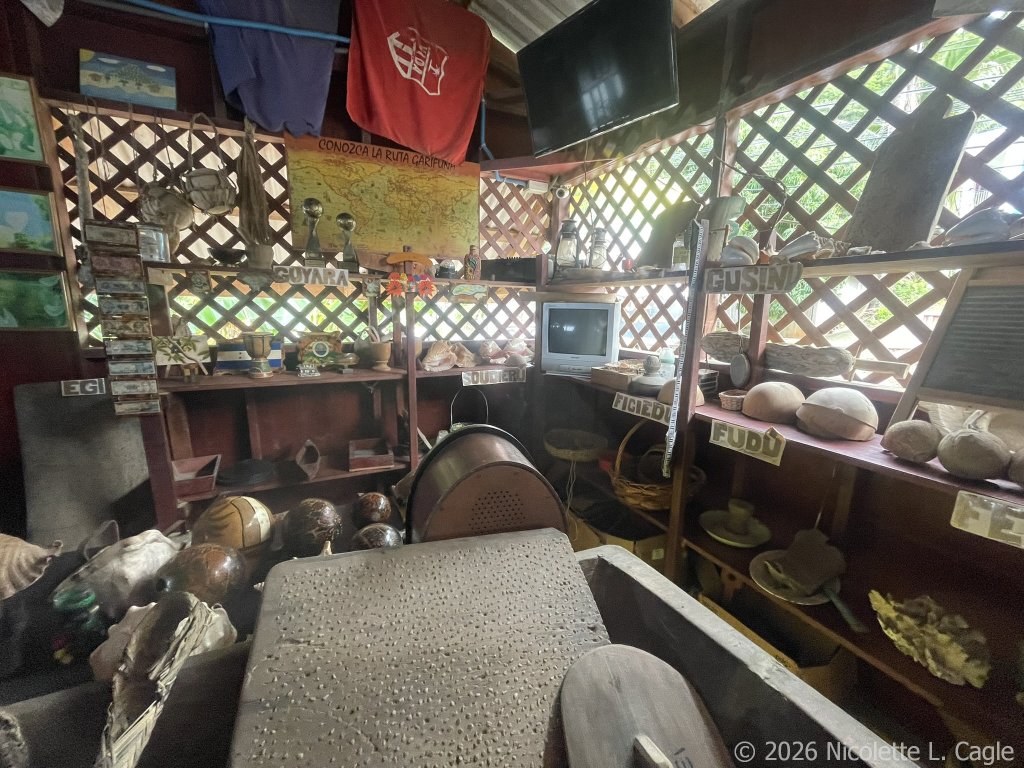
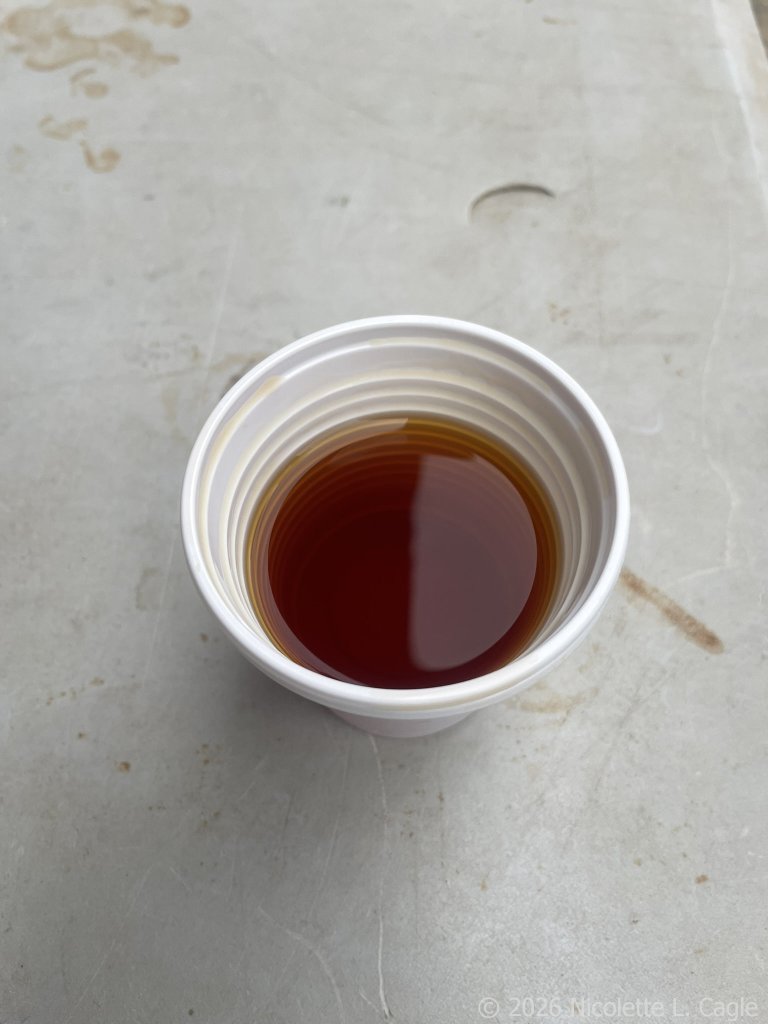
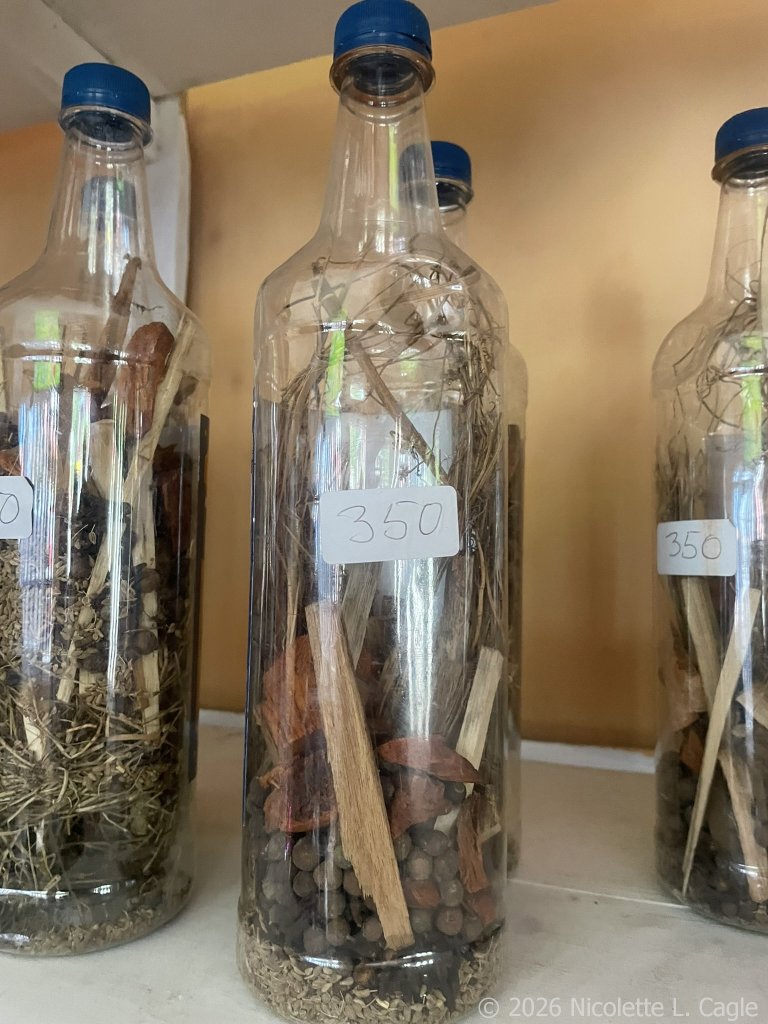
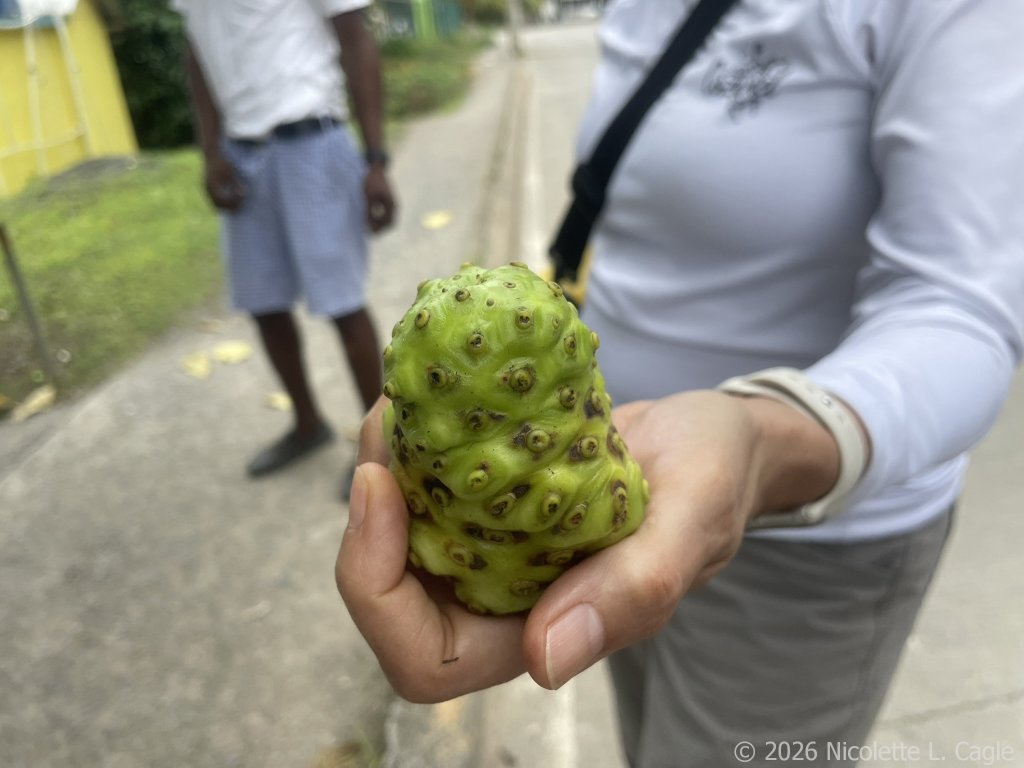
Nerissa also showed us traditional medicinal plants, including the noni tree whose odd green fruit was and is still fermented as a tonic. We were also given a sample of guifiti, an herbal remedy of 13 spices, including ginger, pepper corns, cinnamon, chamomile, and eucalyptus, soaked in white rum for a month. The local Garifuna people credit guifiti with their low numbers of COVID cases and zero COVID-related deaths during the 2020 pandemic.
We also visited a lovely bakery selling Johnny (journey) cakes and ginger cookies, pan de coco (coconut buns) and flat half-moons of thin, dried cassava bread. We left with hugs and goodwill, grateful to the Garifuna community for sharing their rich culture with visitors.
 Sense of Place
Leave a comment