Trees are among the clearest expressions of place. They root geology in biotic form, translate climate and water into a visible pattern, and hold the marks of both ecological time and human history. To learn the trees of a region is to do more than learn names; it is learning a language that allows you read the land itself, and to understand how a landscape becomes distinct, familiar, and alive.
Central Europe is an especially rich place to learn about trees. Across the Czech Republic, Slovakia, and Hungary, one can move in relatively short distances from cool mountain forests of spruce, fir, beech, and larch to oak-hornbeam woods, riverine floodplains, and dry slopes shaped by steppe influence, grazing, and thin soils. The region holds remarkable ecological variety in a compact space.
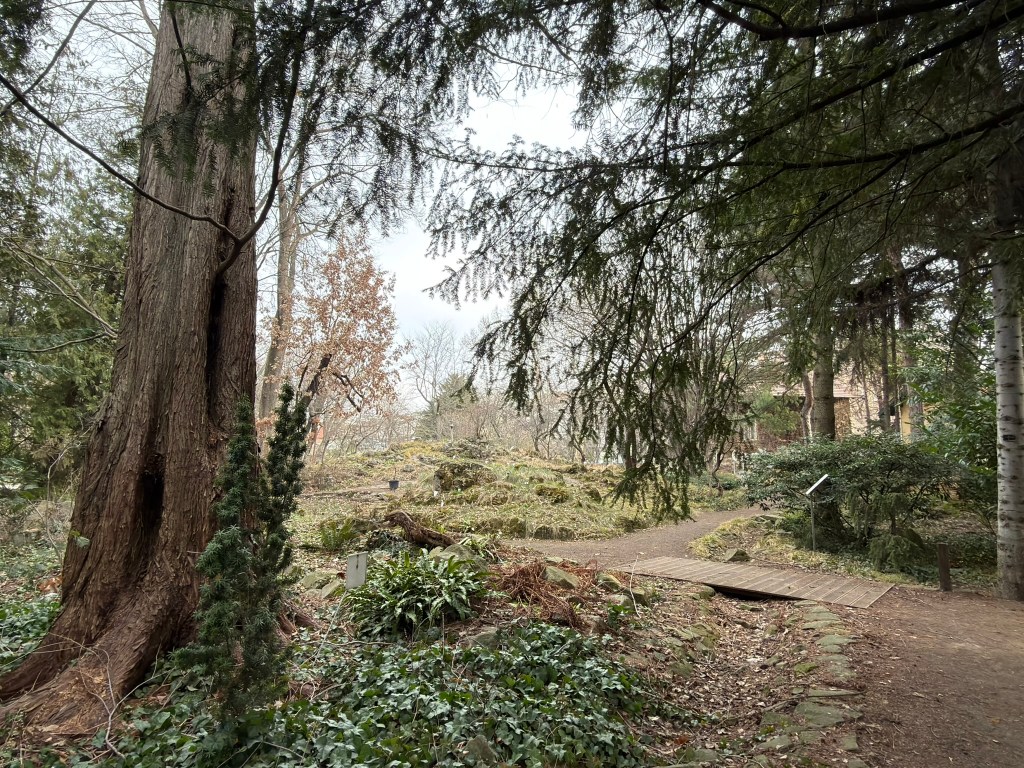
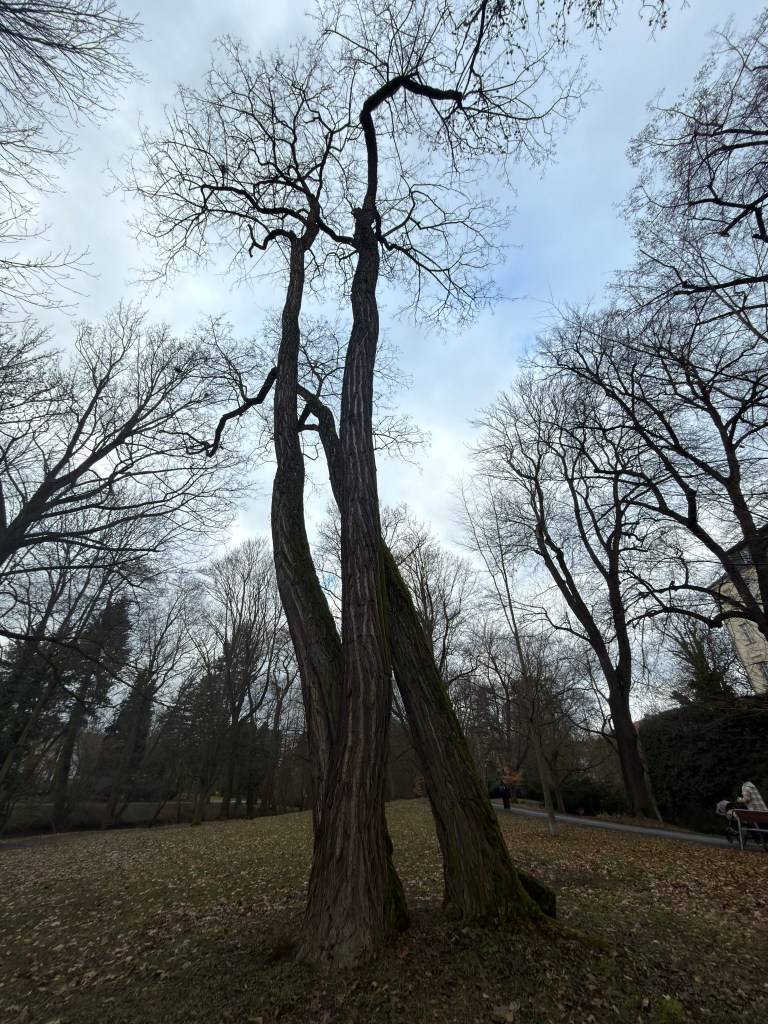
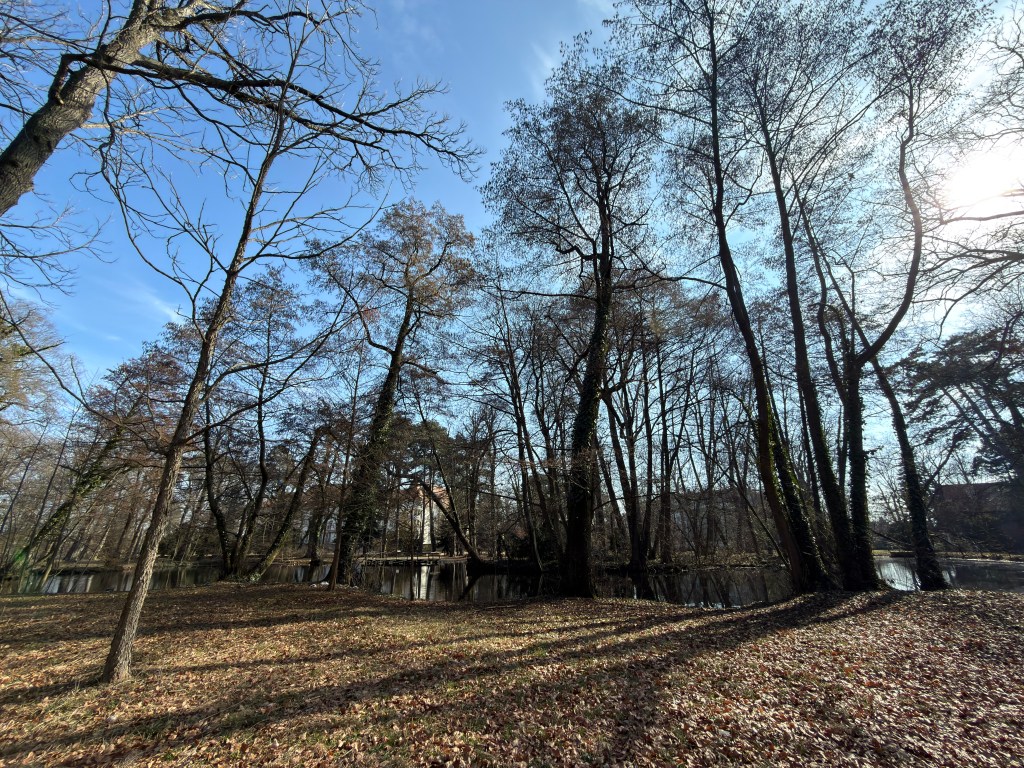
Part of what makes this possible is geography. These countries sit where the Bohemian Massif, the Carpathians, and the Pannonian Basin meet, and that meeting creates a landscape of contrasts: acidic uplands and calcareous slopes, wet alluvial flats and dry lowland woods, old mountain forests and heavily worked cultural landscapes. To study trees here is not only to learn species, but to learn how geology, water, disturbance, and history sort them across the land.
For those of us from eastern North America, some of these patterns feel familiar. There are echoes here of the Appalachians, the upper Midwest, and the Great Lakes region, where broadleaf, conifer, and floodplain systems also meet and mingle. But Central Europe also has a distinct identity, shaped by the Pannonian plain, limestone-rich floras, and a long intertwining of human and forest history.
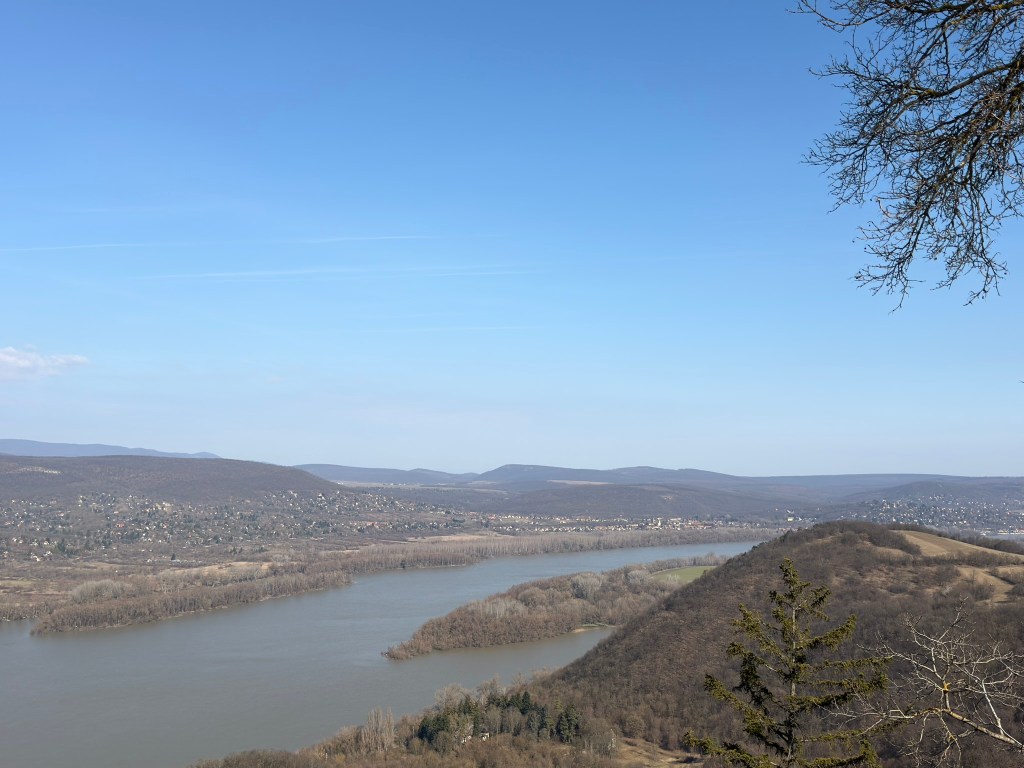
In the posts that follow, I’ll explore four broad habitat types across the region: mountain and upland forests, lowland broadleaf forests, floodplain woods, and dry steppe-edge mosaics. I’ll also spend time with some of their characteristic trees — beech, oak, Sycamore Spruce, hornbeam, linden, spruce, larch, alder, pine, and birch — not only as species to identify, but as participants in defining a sense of place.
 Sense of Place